
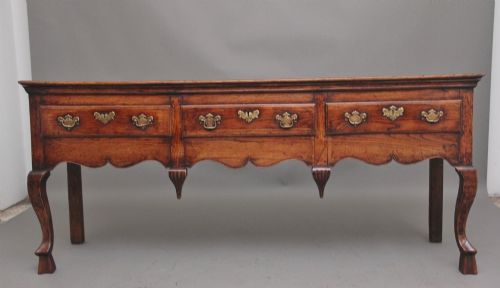
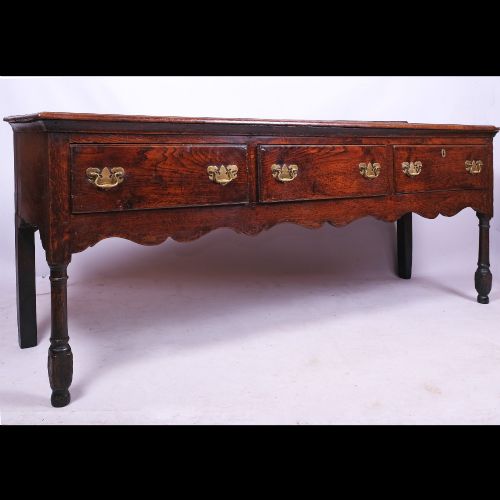
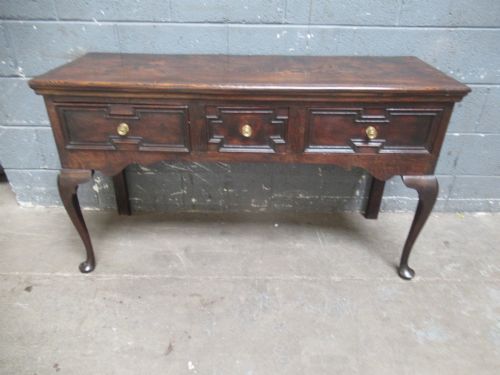


Queen Anne Oak Sideboard
These queen anne oak sideboard pieces offer robust timber and classic form, bringing enduring practicality and period character to any interior.
Queen Anne Oak Sideboard
A queen anne oak sideboard search brings up sturdy timber furniture designed for storage and display, appearing mainly as dresser bases and related forms. These items reflect the functional needs of earlier domestic spaces while maintaining a distinctive silhouette.
Most examples encountered here date from the eighteenth century or emerge as later revivals, showcasing the longevity of this design tradition. Buyers frequently find pieces described as dresser bases, sideboards, or cabinet variants.
The construction typically relies on solid oak timbers, occasionally paired with secondary woods or accented with burr walnut and elm. These materials ensure lasting utility and a grounded presence in a room.
Materials and construction methods
Makers utilised solid oak for the primary framework of these pieces, valuing its strength and distinctive grain pattern. Secondary elements sometimes incorporated elm or burr walnut for contrasting surface texture and visual depth.
Hardware such as brass handles and drawer pulls completed the construction, adding functional detail to the wooden surfaces. Joinery techniques ensured the structural stability required for daily household use over centuries.
Some cocktail drinks cabinets hide behind traditional dresser facades, ready to pour a twentieth-century spirit from an eighteenth-century guise.
Assessing quality and craftsmanship
Superior examples display harmonious proportions and careful selection of timber figures, particularly where burr walnut or elm is present. The integration of cabriole legs requires precise shaping to maintain both elegance and stability.
The handling of edges, mouldings, and hardware placement distinguishes finer pieces from more utilitarian workshop output. Original timber surfaces and patination further elevate the standing of an individual item.
The Queen Anne Oak Sideboard Glossary
- Cabriole leg
- A furniture leg featuring a double curve, typically bowing outward at the knee and tapering inward toward the foot. This form became a defining feature of the period and subsequent revivals.
- Dresser base
- A low wooden storage unit featuring drawers and sometimes cupboards beneath a flat top surface. These pieces formed the lower section of traditional kitchen or dining room furniture.
- Burr walnut
- A prized wood veneer showing intricate, swirling grain patterns caused by tree growths. Makers utilised this material to create decorative focal points on panels and drawer fronts.
- Patina
- The surface sheen and colour developed by timber over long periods of handling and exposure to light. This quality indicates age and genuine use.
Queen Anne Oak Sideboard: Frequently Asked Questions
How do I date these pieces?
Dating relies on examining the timber construction, joinery methods, and hardware style relative to known periods. Eighteenth-century originals contrast with later revival interpretations from the Victorian era and the early twentieth century.
Secondary materials and overall wear patterns also provide reliable indicators of age.
Where were these pieces used?
Such furniture typically served in dining rooms, kitchens, or living spaces for storing tableware and provisions.
The sturdy top surface also allowed for the display of ceramics and silver.
How do I care for oak furniture?
Maintaining these pieces involves keeping them away from direct heat sources and extreme humidity fluctuations to protect the wood.
Regular dusting with a dry cloth preserves the finish and natural patination.