


Queen Anne Oak Side Table
A queen anne oak side table brings understated timber character and functional surface space to an interior.
Queen Anne Oak Side Table
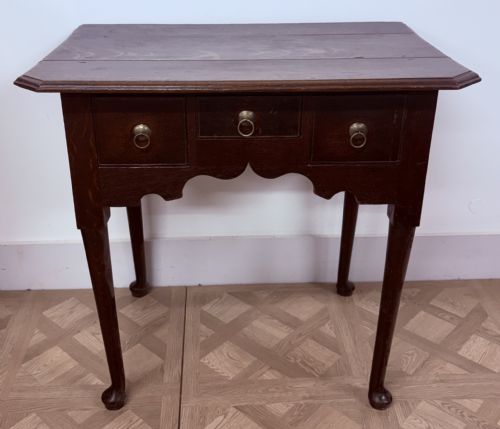
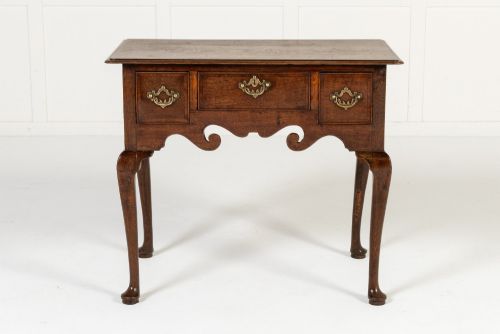
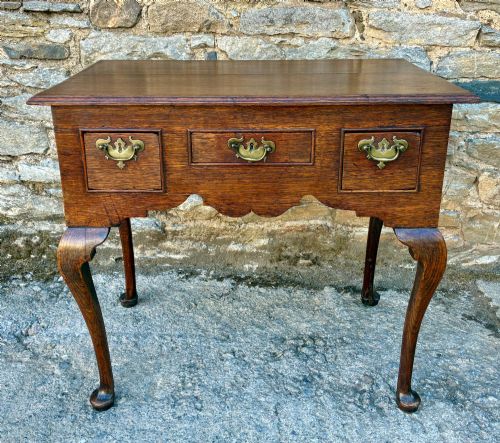
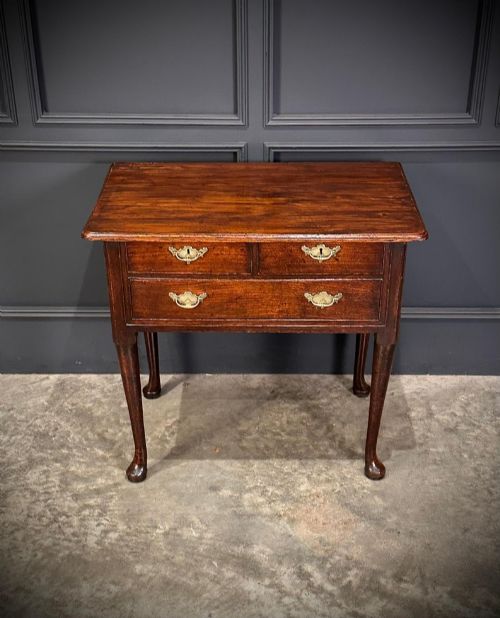
A queen anne oak side table sits low and clean against a wall, often featuring a single drawer tucked beneath the top board. These items function as dressing tables, writing desks, and lowboys within domestic settings.
The materials span primarily from early eighteenth-century oak to walnut and burr walnut veneer, reflecting the transitional tastes of the Georgian and William and Mary periods. Many examples emerge from country workshops rather than metropolitan centres, showing regional variations in turnings and leg shapes.
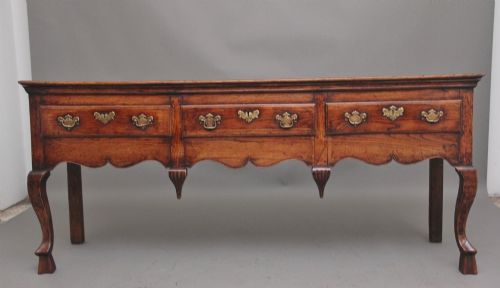
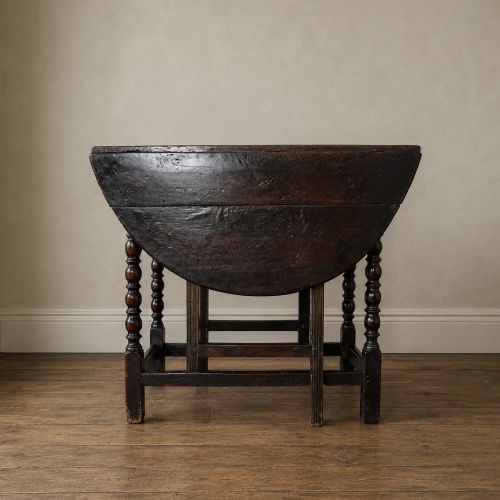
Buyers encounter variations including gateleg drop leaf tables, demi lune console tables, and dresser bases alongside standard side tables. The overarching form remains rooted in early eighteenth-century proportions and cabinet-making traditions.
How they were made
Cabinet makers constructed these tables predominantly from solid oak, sometimes incorporating pine for secondary structural timbers and walnut veneers for decorative surfaces. Joinery relied on traditional pegged mortise and tenon joints to secure the frames.
Hardware such as brass handles and drawer pulls complemented the natural grain of the timber, while iron fastenings provided internal structural support. Finish work involved hand-applied oils and waxes that darkened the oak over centuries of use.
The listings span from the seventeenth century through to nineteenth-century interpretations, utilising oak, walnut, and pine.
What varies in quality
The integrity of the timber and the retention of original surface patination distinguish finer examples from standard workshop pieces. Tables retaining their early brass hardware and unblemished oak boards hold greater historical consistency.
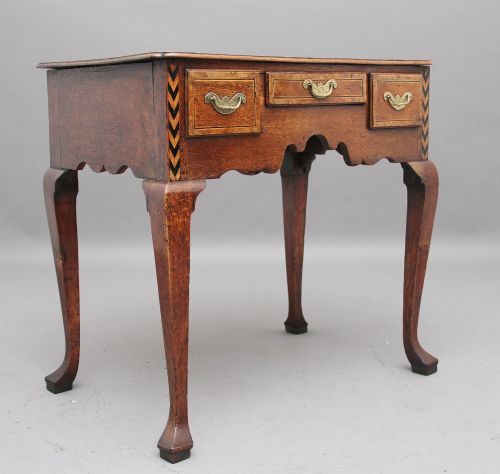
Proportion and leg turnings reveal the skill of the original maker, where slender cabriole legs or crisp stretcher arrangements demand superior execution. Country-made variants display charming irregularities that contrast with more formal urban commissions.
The Queen Anne Oak Side Table Glossary
- Lowboy
- A small oak or walnut table with one or more drawers, typically used as a dressing table or side table during the eighteenth century. These items stand low to the floor on slender legs.
- Gateleg table
- A drop leaf table where hinged legs swing out to support the expanded leaves. This form allows the table to fold compactly against a wall when not in use.
- Cabriole leg
- A furniture leg that curves outward at the knee and tapers inward toward the foot, characteristic of the Queen Anne and early Georgian periods. The design draws inspiration from classical animal limbs.
- Stretcher
- A horizontal timber connecting the legs of a table to provide structural rigidity and stability. Early examples often utilise intersecting stretchers beneath the frame.
- Dresser base
- A heavy low sideboard with drawers, functioning as a precursor to modern storage units. These pieces often share identical joinery and timber characteristics with large side tables.
Queen Anne Oak Side Table: Frequently Asked Questions
How do I identify a genuine piece?
Examine the timber for traditional tool marks, pegged joinery, and natural oxidation that indicate age rather than modern replication. Regional oak grain patterns and period hardware provide further clues to authenticity.
Compare the construction methods against known eighteenth-century standards, noting how drawers are assembled by hand dovetailing.
Where should I place a side table?
These tables fit naturally in hallways, entryways, or living rooms as lamp stands or console surfaces. Their shallow depth allows them to sit flush against walls without obstructing pathways.
In bedrooms, smaller lowboys function effectively as dressing tables or writing desks when paired with a low chair.
What is the difference between an oak side table and a lowboy?
A lowboy specifically incorporates one or more drawers beneath the surface and stands at a height suitable for sitting or writing. A general side table may feature a plain top without drawers.
Both forms share similar leg turnings and timber construction from the Georgian and Queen Anne eras.
How do I care for antique oak furniture?
Maintain the timber by applying natural beeswax periodically to nourish the dry grain and protect the surface from moisture. Avoid placing the table near direct heat sources or strong sunlight.
Dust regularly with a soft dry cloth to prevent grime buildup on the carved details and original hardware.