


Qing Style Vase
A qing style vase brings historic ceramic artistry into a room, offering classic forms and intricate painted decoration that appeal to collectors of oriental design.
Qing Style Vase
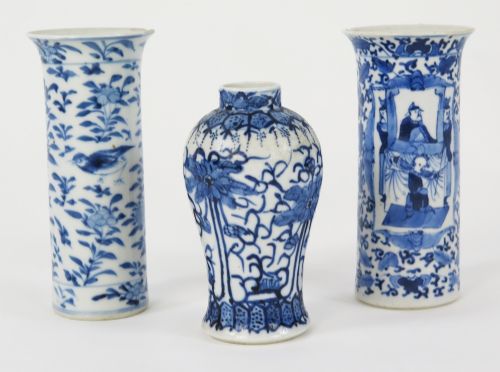
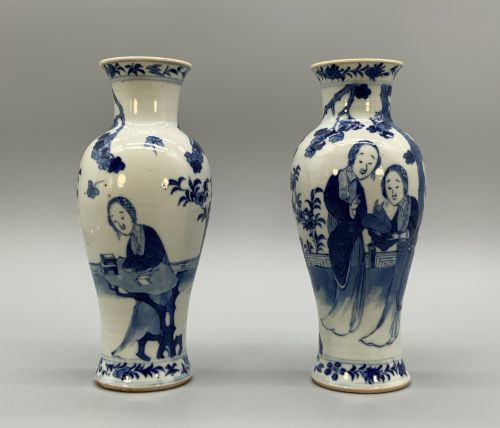
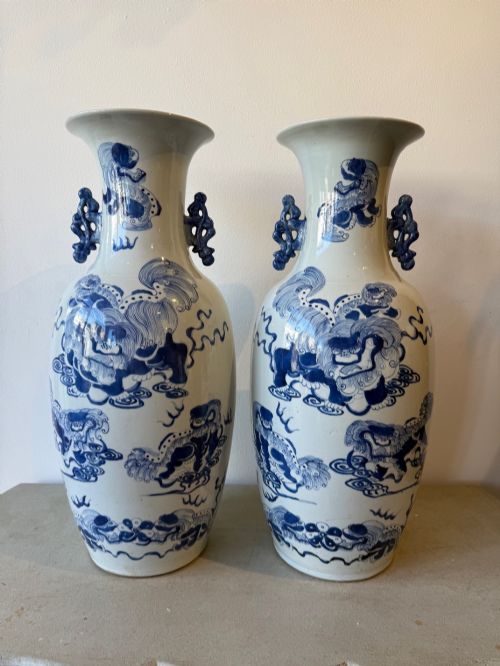
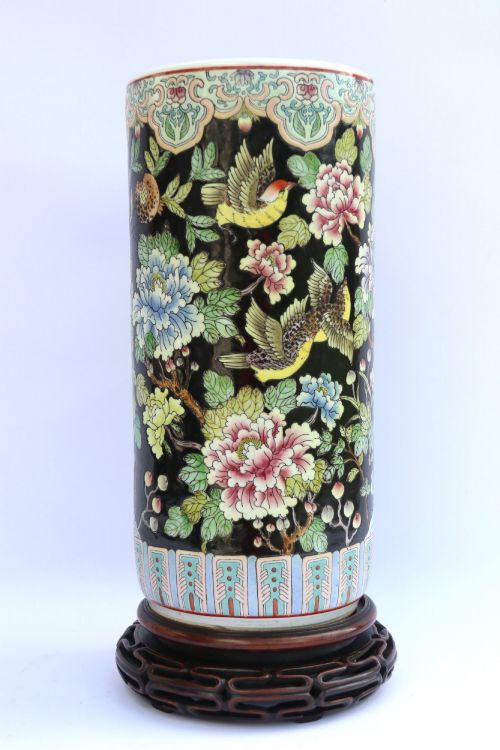
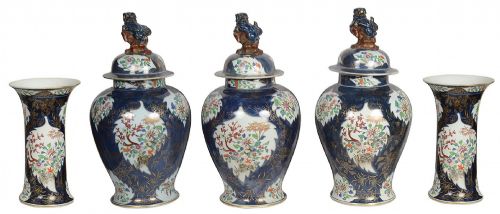
A qing style vase encompasses decorative vessels created across the nineteenth and early twentieth centuries, drawing inspiration from imperial Chinese dynasties and earlier Kangxi period designs. Buyers examining this selection encounter blue and white porcelain, famille rose, and cloisonne pieces shaped as ginger jars, bottle vases, and beaker forms.
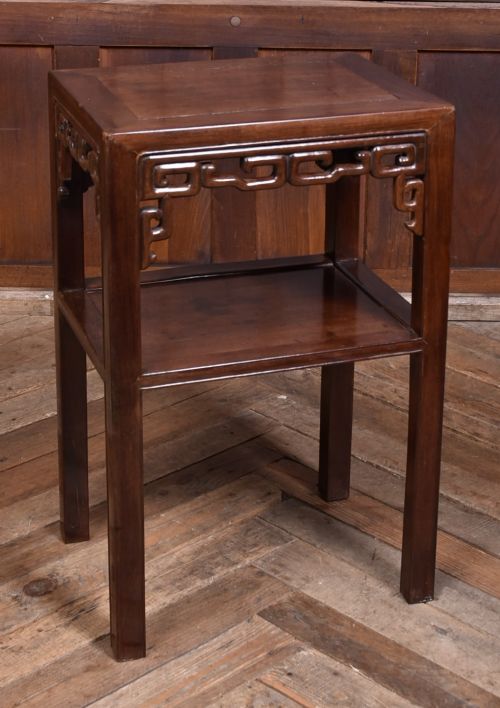
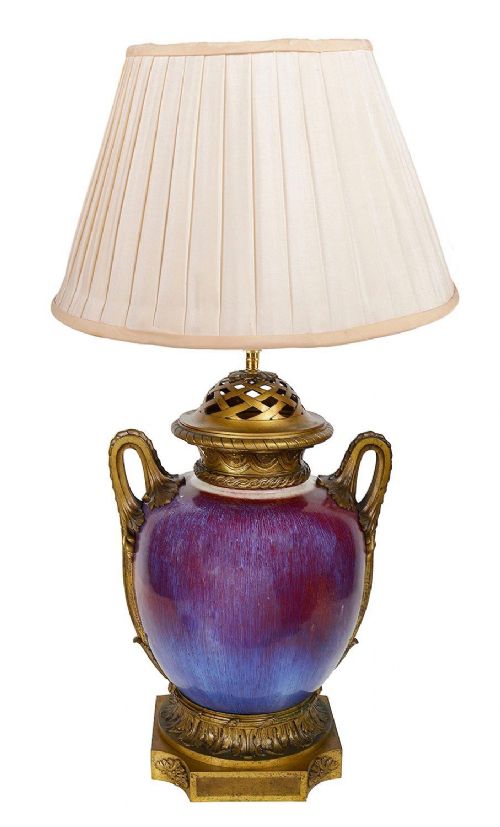
Many examples arrive converted into table lamps or accompanied by original hardwood stands, reflecting how these decorative items adapted to western interiors over time. The nineteenth century yields the highest volume of pieces, alongside items styled after eighteenth century models and earlier traditions.
How they were made
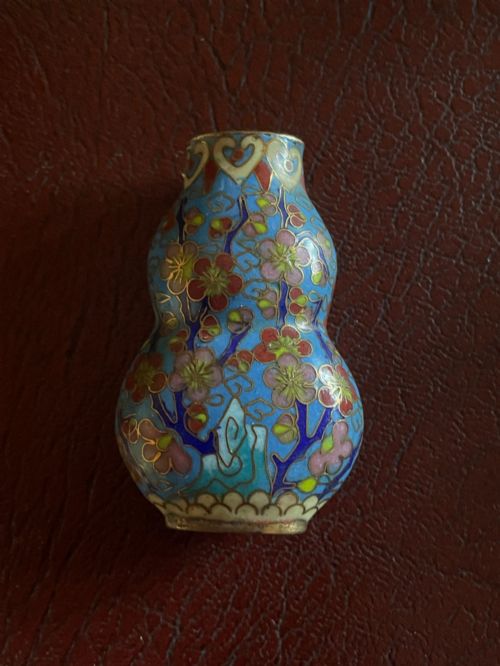
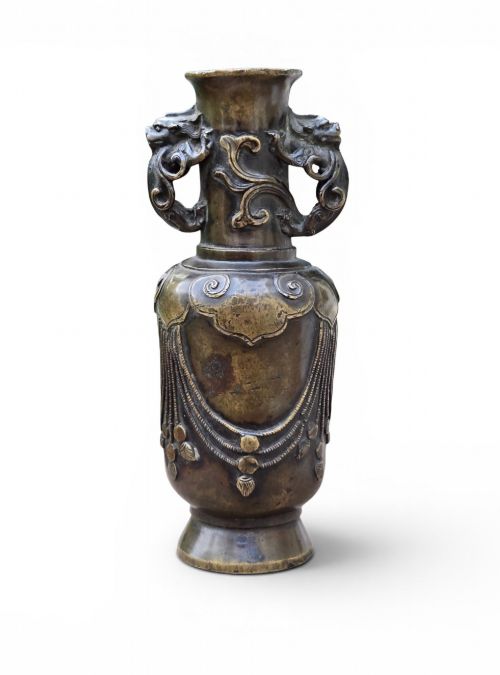
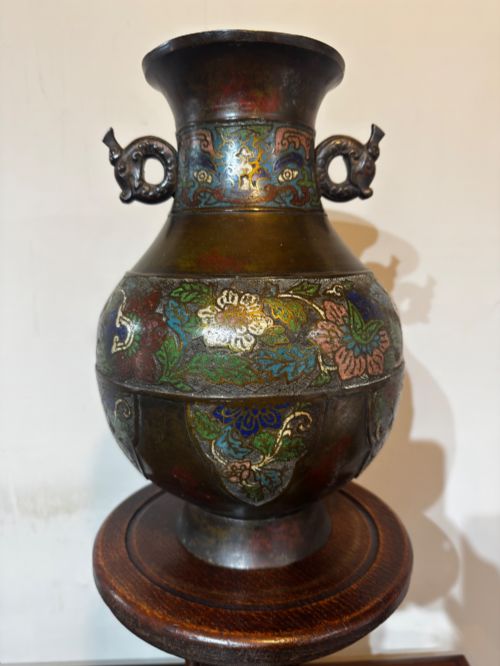
Potters utilised porcelain and ceramic bodies finished with underglaze blue, crackleware glazes, or polychrome enamel palettes such as famille verte and famille rose. Artisans also worked in bronze and brass employing champleve and cloisonne techniques to inlay vibrant enamels within metal wire cells.
Carpenters contributed carved hardwood stands and mounts, while metalworkers added ormolu fittings to complete the vessels. These combined materials demonstrate the high level of craft shared between ceramicists and metalworkers in workshops producing export and domestic wares.
Several vases carry cheeky reign marks attempting to channel emperors who died centuries before the potter picked up a brush.
What varies in quality
Quality rests upon the precision of the hand-painted brushwork, the clarity of the glaze, and the crispness of reign marks applied to the base. Finer examples display finely detailed figural scenes, balanced proportions, and well-preserved enamels that retain their original colour intensity.
The sophistication of the bronze work or the integrity of carved wooden stands also distinguishes superior pieces from simpler decorative items. Condition plays a role when examining delicate porcelain bodies, crackleware patterns, and metal wirework.
The Qing Style Vase Glossary
- Famille rose
- A major palette of Chinese ceramic enamels introduced in the eighteenth century, dominated by opaque pink or rose colours. This technique allowed for subtle gradations of tone in floral and figural depictions.
- Cloisonne
- A metalwork technique where enamel paste is applied within compartments created by soldering flat metal wire onto a bronze or brass base. The piece is then fired and polished to a smooth finish.
- Sang de boeuf
- A rich ox-blood red glaze developed on porcelain, highly prized for its deep, mottled colouration. The effect results from high-fired copper reduction kilns.
- Gu shaped
- A term describing a slender, beaker-like ritual vessel with a flaring mouth and base, modeled after ancient bronze archetypes. Potters adapted this archaic silhouette into porcelain during later dynasties.
- Doucai
- A technique combining underglaze blue outlines with overglaze polychrome enamels filled in the spaces. This method creates a vibrant contrast between the cobalt lines and the bright surface colours.
Qing Style Vase: Frequently Asked Questions
What is a qing style vase?
A qing style vase is a decorative vessel made in imitation of Chinese imperial porcelain and metalwork, predominantly dating from the nineteenth and early twentieth centuries.
These pieces use traditional motifs like blue and white landscapes, dragons, and floral enamels to capture the aesthetic of earlier dynastic periods.
How were these vases used?
Originally created as ornamental display items or scholar's desk objects in traditional interiors, many later found purpose as focal points in western rooms.
Over time, numerous examples were adapted into table lamps or paired with carved hardwood stands to suit domestic lighting needs.
How do I identify periods?
Dating relies on examining the characteristics of the ceramic body, the formulation of the glazes, and the style of the painted decoration. Reign marks on the base offer guidance, though nineteenth century makers frequently referenced earlier Kangxi or Qianlong periods.
Are lamps original?
Vessels converted into lamps often feature nineteenth century or later electrical fittings added after import to western markets. The porcelain or bronze body generally retains its antique origin while the hardware reflects subsequent adaptation.
How do I care for them?
Maintenance requires gentle dusting with a soft cloth to protect delicate painted surfaces, crackleware glazes, and metal enamels. Avoiding abrasive cleaners preserves the integrity of both the ceramic bodies and any applied ormolu or bronze mounts.