





Qing Dynasty Silk Panel
These Qing dynasty silk panel examples bring together traditional Chinese needlework and carved framing, offering a tangible piece of historical textile art.
Qing Dynasty Silk Panel
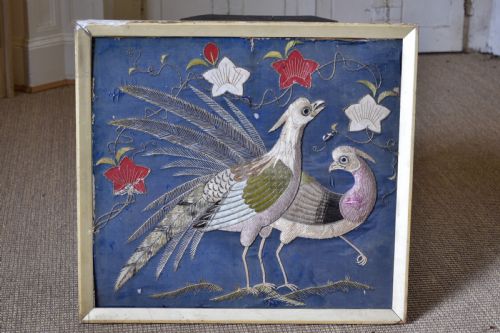
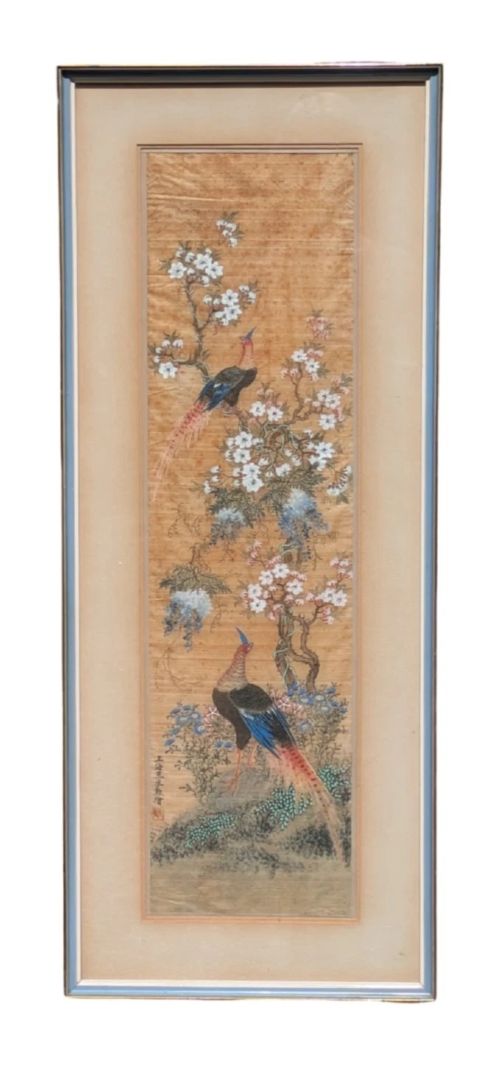
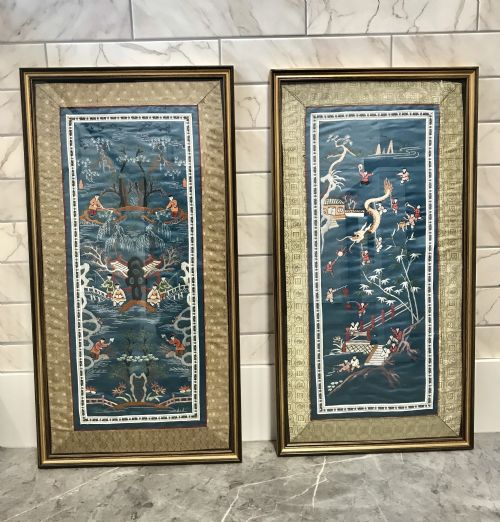
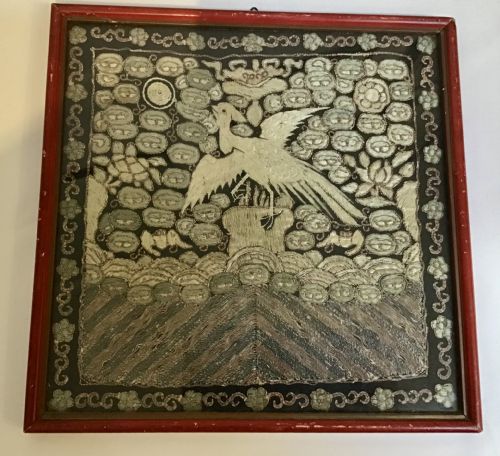
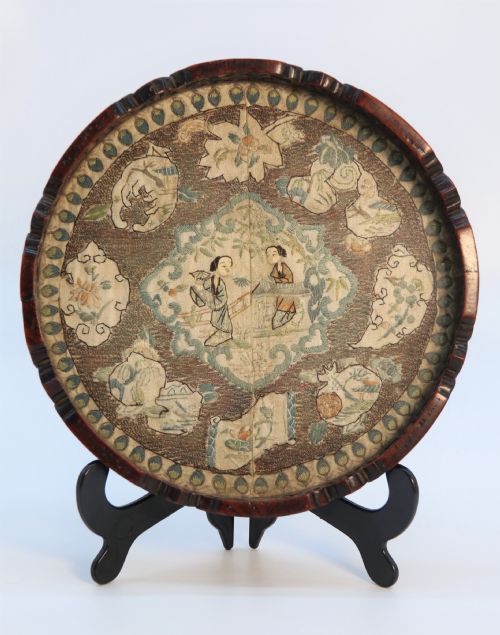
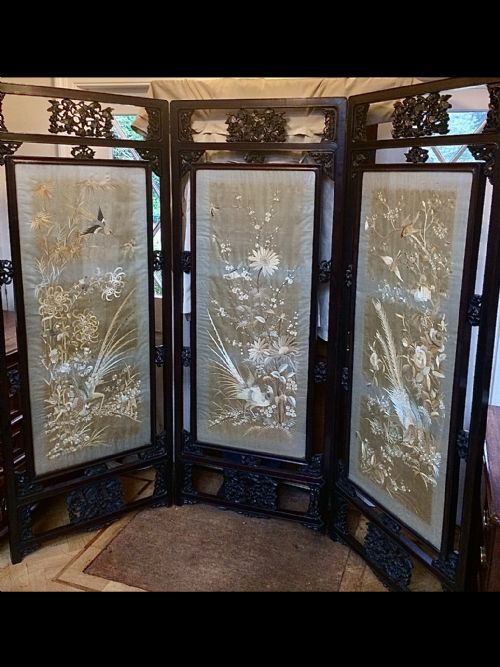
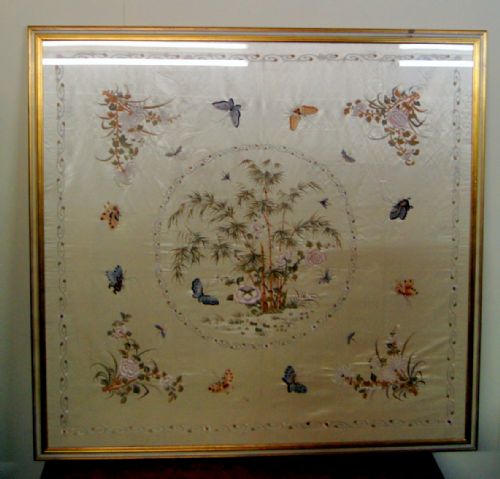
When you search for qing dynasty silk panel, you are looking at textile art and wall hangings originating from or styled after the Qing era. The selection includes framed embroideries, watercolour paintings on silk, rank badges, and decorative screens housed within carved wooden stands.
You are most likely to meet nineteenth-century examples on this page, spanning dates from eighteen sixty through to nineteen hundred. These objects often take the form of wall art, trays, table screens, and firescreens designed with traditional motifs.
The decorative subjects depicted across these works frequently include figures, dragons, trees, flowers, garden birds, and mandarin ducks. Such pieces function as both flat wall hangings and functional items mounted behind glass.
Materials and construction methods
The physical construction of these pieces relies heavily on silk fabrics combined with metallic thread, pigment, and water-based pigment for hand-sewn embroidery and painted details. Artisans executed meticulous needlework to build up complex imagery of flora and fauna.
Wooden elements such as hardwood provide the structural support for framed items, trays, table screens, and firescreens. Many textiles are preserved under glass to protect the delicate threads and pigments from environmental wear.
Intricately carved stands and frames complement the textiles, showcasing traditional woodworking skills alongside textile arts. The integration of carved hardwood with hand-sewn panels represents a distinct method of display.
Materials recorded across the inventory include silk, glass, wood, hardwood, pigment, metallic thread, and water-based pigment.
Distinctions in craftsmanship
Quality in a qing dynasty silk panel is measured by the complexity of the hand sewing and the precision of the painted details on silk. Finer examples display intricate needlework executed to a high standard, with well-defined figures and creatures.
The degree of craftsmanship in the accompanying wooden elements also separates standard items from superior ones. Intricately carved hardwood stands and detailed frames indicate a higher tier of overall production value.
The preservation state of the delicate silk, metallic thread, and water-based pigment heavily influences the visual impact of each piece. Items retaining vibrant colours and clean glass protection represent the upper end of the range.
The Qing Dynasty Silk Panel Glossary
- Rank badge
- A square embroidered patch indicating the status of an official in imperial China. These badges were sewn onto robes and are frequently framed as standalone textile art.
- Mandarin duck
- A water bird symbolising fidelity and marital happiness in traditional Chinese culture. These birds appear frequently in the embroidered garden scenes.
- Table screen
- A decorative panel supported by a carved stand, designed to sit on a desk or table. They often feature silk embroidery or painting on both sides.
- Firescreen
- A standing screen placed in front of a fireplace when not in use. In this context, the screen insert consists of a framed silk textile or painting.
- Chinoiserie
- A European style reflecting Chinese artistic influences, though genuine Qing dynasty works originate directly from Chinese traditions. This term appears alongside traditional Chinese styles.
Qing Dynasty Silk Panel: Frequently Asked Questions
What is a qing dynasty silk panel?
A qing dynasty silk panel is a historical textile artwork or painting on silk created during the Qing period or in that traditional style. These pieces often feature hand-sewn embroidery depicting figures, dragons, flowers, and birds.
Many of these panels are mounted under glass, framed as wall art, or incorporated into functional objects like trays, table screens, and firescreens.
How were these panels used historically?
Historically, silk panels served both decorative and functional roles within domestic and official spaces. Wall hangings and rank badges displayed status and artistic refinement in rooms.
Other formats, such as table screens and firescreens, combined woodwork with textiles to ornament interiors while sometimes managing drafts or light.
How do I care for a silk panel?
Caring for antique silk requires protecting the delicate textile and any water-based pigments from direct sunlight and high humidity. Keeping the piece behind its protective glass helps shield the fibres from dust and physical contact.
When displaying the item, place it away from heat sources and maintain stable room temperatures to preserve the hardwood frames and fragile threads.
How can I tell the age of the piece?
Dating relies on stylistic markers, material analysis, and recorded dates such as the nineteenth century or specific years like eighteen sixty and nineteen hundred. The style of the embroidery work and the construction of the carved hardwood frame offer clues to the period.
Examining the type of pigments, metallic threads, and framing techniques helps place the object within its historical production era.