




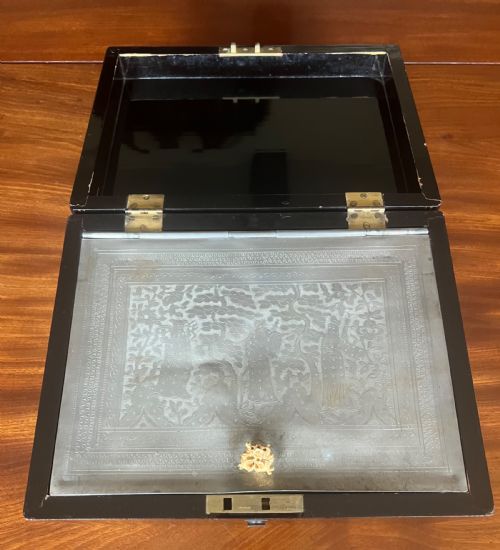

Qing Dynasty Chest
These qing dynasty chest selections bring traditional Chinese storage and craftsmanship into contemporary spaces, offering both historical depth and practical utility.
Qing Dynasty Chest
When you search for a qing dynasty chest, you are looking at items designed for storage, travel, and household organisation originating from historical China. The pieces available here span cabinets, coffers, trunks, and smaller boxes originating primarily from the nineteenth century alongside eighteenth-century examples.
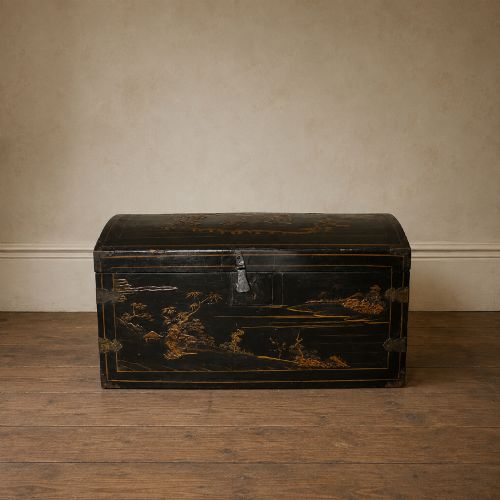
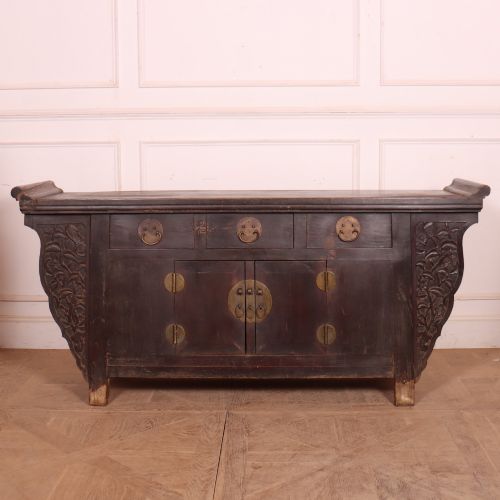
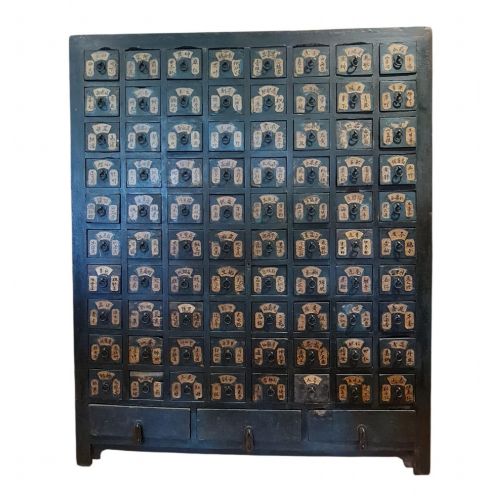
The most common formats you will meet on this page are lacquered wooden trunks, multi-drawer apothecary chests in elm, and brass-bound camphorwood travel pieces. Regional variations include provincial elm furniture and gilt-decorated export items intended for Western markets.
Many of these containers served specific domestic functions, from storing clothing and documents to holding medicinal herbs or tea. Their survival across centuries demonstrates the robust nature of traditional Chinese cabinet-making.
Materials and construction
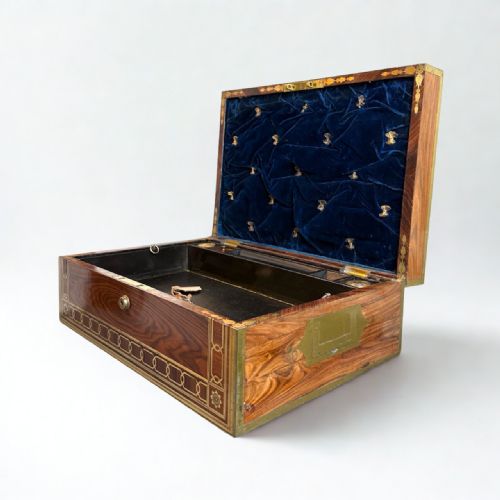
Makers utilised native timbers including elm, camphorwood, rosewood, and huanghuali, selecting dense woods capable of resisting humidity and pests. Iron and brass hardware such as hinges, corner plates, and lock plates reinforced the structural joints while providing decorative contrast.
Surface decoration frequently involved layers of black or red lacquer built up over wood, occasionally embellished with gold leaf or painted gilt motifs. Inlaid elements and carved details added texture and visual complexity to cabinets, coffers, and writing boxes.
One surviving apothecary chest contains eighty separate drawers, ensuring a lifetime of sorting small treasures.
Evaluating craftsmanship and condition
The distinction between standard utility items and finer examples rests on the depth of the carving, the crispness of the gilt decoration, and the complexity of the internal configuration. Multi-drawer apothecary chests with numerous small compartments demand greater joinery skill than simple lidded trunks.
Original surface finishes, such as intact layers of red or black lacquer and undisturbed brass mountings, elevate a piece. Altered hardware or stripped timber surfaces alter the historical integrity of these storage items.
The Qing Dynasty Chest Glossary
- Coffer
- A heavy wooden storage chest, typically box-shaped with a hinged or lift-off lid. These pieces often pre-date standard cabinet designs and sat low to the floor.
- Apothecary chest
- A multi-drawer cabinet historically utilised by practitioners of traditional medicine to sort herbs, roots, and minerals. They feature numerous small drawers, each labelled or partitioned.
- Camphorwood
- An aromatic timber prized for its insect-repellent properties, commonly utilised for travel trunks and storage chests intended to protect textiles.
- Lacquered wood
- Timber coated with refined tree sap that hardens into a durable, glossy protective layer. This technique required multiple applications and drying phases.
- Chinese export
- Goods manufactured in China specifically for overseas markets, often blending traditional domestic forms with stylistic preferences popular in Europe and Britain.
Qing Dynasty Chest: Frequently Asked Questions
What is a qing dynasty chest used for?
These items served various domestic and commercial purposes, ranging from general clothing storage to housing documents, jewellery, and medicinal herbs. Trunks often accompanied travellers on long journeys.
Today, they function as coffee tables, bedside storage, or focal point cabinets within modern interiors while maintaining their original utility.
How do I care for lacquered wood?
Lacquered surfaces require stable environmental conditions away from direct sunlight and extreme humidity fluctuations. Dust gently with a soft, dry cloth without chemical polishes.
Applying wax is generally unnecessary and can damage fragile historic lacquer or gilt decoration over time.
How can I tell the age of a Chinese chest?
Dating relies on construction methods, timber choice, and decorative styles consistent with specific centuries. Eighteenth-century examples often display heavier timber construction and simpler hardware compared to later export pieces.
Wear patterns around handles, locks, and feet also indicate the passage of time and authentic historical use.
Are camphorwood trunks still aromatic?
Camphorwood retains its natural scent for generations, though the intensity varies depending on environmental exposure and whether the interior has been sanded or cleaned.
This natural fragrance historically protected stored textiles and papers from moths and silverfish.
What is the difference between a trunk and a coffer?
Trunks generally feature hinged flat or domed lids designed primarily for transport and travel, often reinforced with metal straps or leather coverings.
Coffers represent heavier, stationary storage furniture built with sturdy frames to hold substantial household goods.