



Qing Dynasty Ceramic Vessel
When you search for a qing dynasty ceramic vessel, you enter a field defined by imperial kilns, scholarly scholar objects, and enduring ceramic mastery.
Qing Dynasty Ceramic Vessel
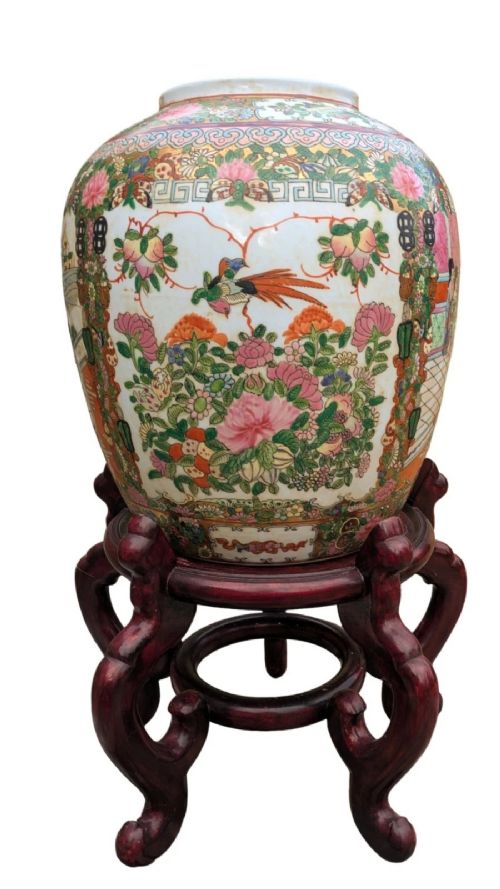
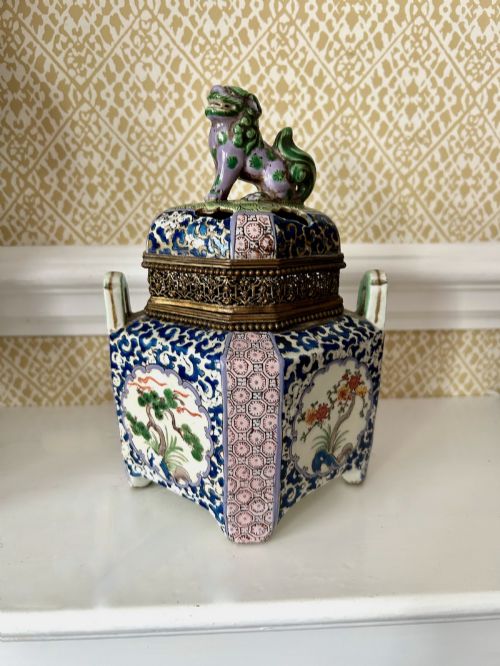
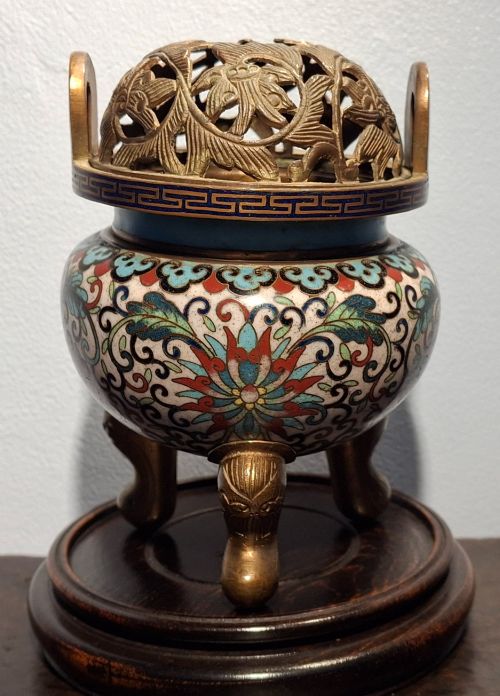
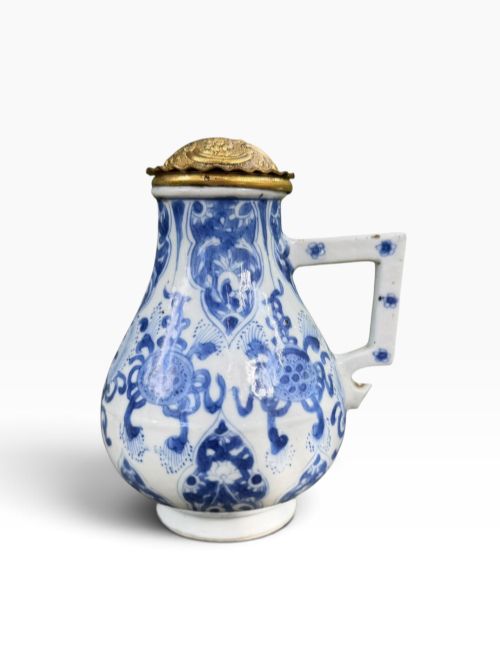
A qing dynasty ceramic vessel encompasses a broad spectrum of forms created for both imperial courts and scholarly pursuits. The offerings span large ceremonial vases, delicate water pots, ritual censers, and domestic bowls.
The objects derive from various reigns across the seventeenth, eighteenth, and nineteenth centuries. Collectors encounter utilitarian jars alongside highly specialised scholar's items like brush pots and washers.
Most pieces display traditional shapes such as the bottle vase, meiping, or tripod censer. These forms reflect centuries of Chinese ceramic evolution adapted through changing dynastic tastes.
How they were made
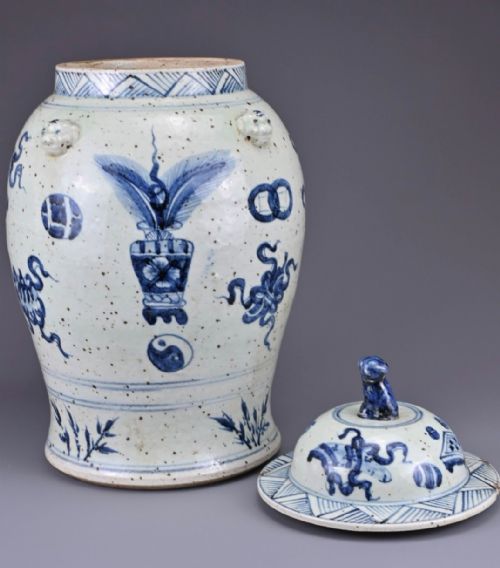
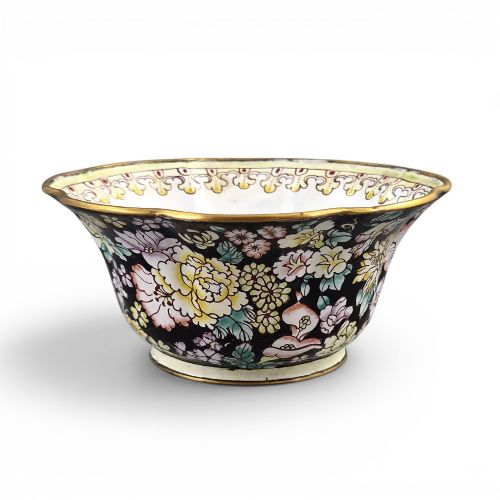
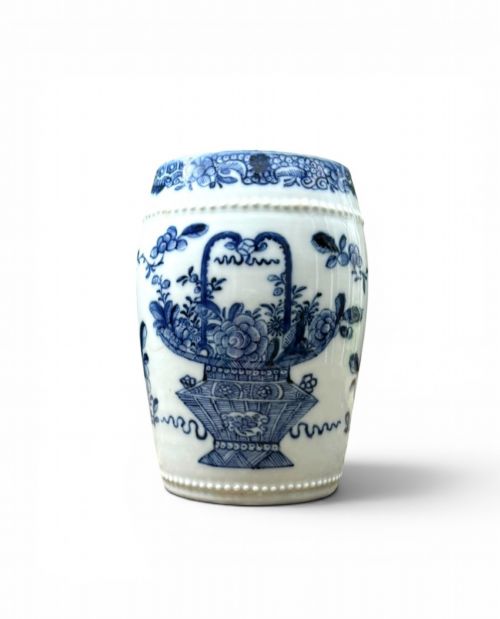
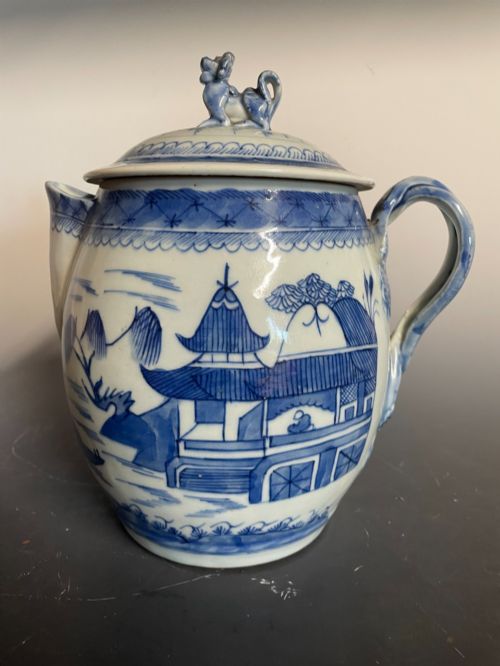
Potters utilised refined porcelain clay bodies and copper substrates, shaping them on wheels or through intricate moulding techniques. Artisans then applied diverse mediums including cobalt underglaze pigments, coloured enamels, and reactive monochrome glazes.
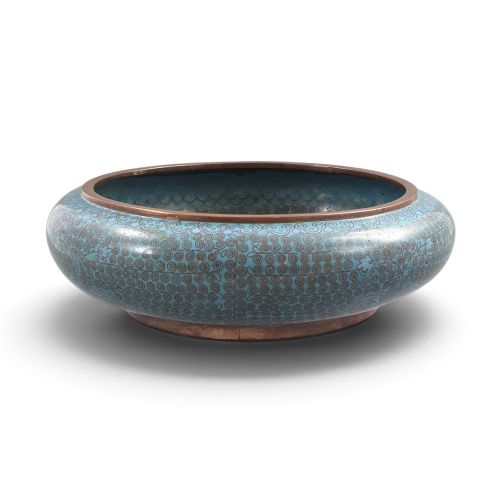
Vessels underwent high-temperature kiln firings that transformed raw minerals into vitrified porcelain and lustrous finishes. Specialised surface treatments such as gold leaf application, iron rust glazes, and intricate cloisonné work completed the physical creation.
Qing Dynasty Ceramic Vessel Retail Price Guide 2026
Typical asking prices for qing dynasty ceramic vessel among the pieces listed under this phrase on Sellingantiques today, from the lower quarter to the upper quarter. They describe what is for sale here now, not the wider market.
Scholars kept tiny water pots on their desks just to mix ink, unintentionally leaving behind miniature masterpieces for us to collect.
What varies in quality
Quality rests upon the precision of the potting, the control demonstrated during high-temperature firing, and the refinement of the glaze. Superior examples display balanced proportions, clean foot rims, and intentional interaction between the clay body and surface decoration.
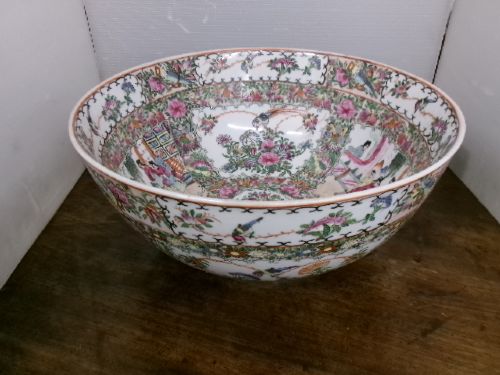
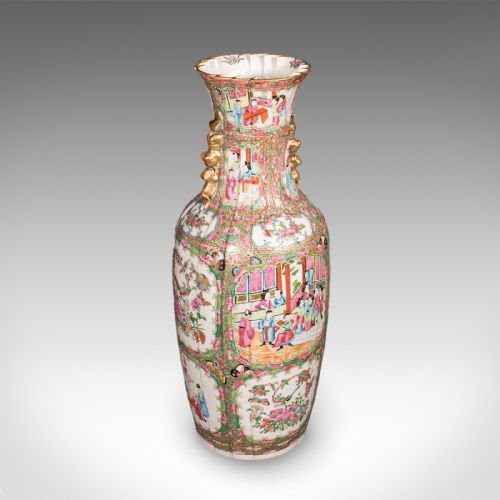
Artistic execution distinguishes standard wares from imperial-taste pieces, particularly in the meticulous hand-painting of motifs like dragons, lotus blossoms, and figures. The depth of underglaze blue pigment and the complexity of doucai or famille rose palettes indicate the skill invested by the artisan.
The Qing Dynasty Ceramic Vessel Glossary
- Doucai
- A decorative technique combining underglaze blue outlines with overglaze enamels filled in subsequently. This method creates a vibrant contrast between the cobalt lines and the surrounding colours.
- Famille rose
- A palette of opaque overglaze enamels dominated by pink or rose colours introduced during the Qing dynasty. Artisans utilised these pigments to render detailed floral and figural scenes.
- Bitong
- A cylindrical brush pot used traditionally by scholars to hold writing implements. These vessels appear frequently in ceramic, jade, and other materials.
- Meiping
- A high-shouldered vase featuring a narrow neck designed originally for holding plum branches. The silhouette tapers gracefully towards the base.
- Celdecen
- A transparent green or grey-green glaze applied over a porcelain body. The finish mimics the appearance of jade and relies on iron in the glaze reacting within the kiln.
Qing Dynasty Ceramic Vessel: Frequently Asked Questions
What is a qing dynasty ceramic vessel used for?
These objects served varied functions ranging from imperial ritual ceremonies to the daily needs of scholars and households. Vases held floral arrangements, while specialised items like brush washers and water pots aided calligraphy.
Larger vessels and decorative jars acted as interior ornaments for elite spaces. Their varied designs reflect the specific ceremonial or domestic role assigned to each form.
How do I care for antique ceramic vessels?
Display these items away from direct sunlight and areas subject to rapid temperature fluctuations to protect the glaze and body. Dust them gently with a soft, dry brush without applying moisture or cleaning agents.
Avoid placing heavy objects inside open vessels or exposing them to impact. Proper support ensures fragile rims and mounted fittings remain secure.
How are different periods told apart?
Period identification relies on analyzing stylistic motifs, glaze chemistry, potting characteristics, and reign marks. Earlier pieces from the seventeenth and early eighteenth centuries often display robust forms and deep cobalt tones.
Later nineteenth-century items frequently exhibit more complex polychrome palettes and different potting weights. Comparing these physical traits against documented examples clarifies the date of manufacture.
Why do some vessels feature reign marks?
Reign marks identify the ruling emperor during whose era a piece was produced, serving as an indication of imperial patronage or workshop aspiration. These marks appear on the base or body in underglaze blue or enamel.
Not all marked pieces originate from the stated reign, as later periods often honoured earlier imperial standards. Evaluating the mark alongside the overall vessel construction provides a complete attribution.