



Qing Dynasty Brush Washer
These Qing Dynasty brush washer examples are scholarly vessels crafted for ink work, prized by collectors for their refined glazes and materials.
Qing Dynasty Brush Washer
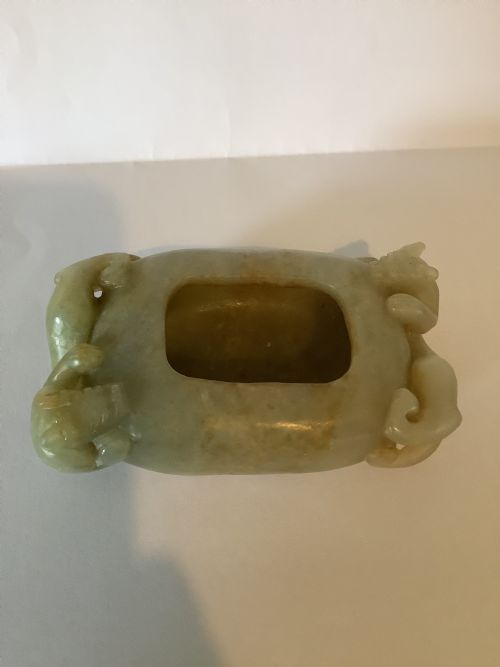
A qing dynasty brush washer is a scholar's object designed to rinse ink from brushes during calligraphy and painting. You encounter these vessels primarily in porcelain, jade, soapstone, bamboo, and copper alloy forms.
The pieces on this page span the eighteenth and nineteenth centuries, featuring styles such as Chinese Imperial and Late Qing. Collectors find both compact compressed forms and larger decorative vessels in this category.
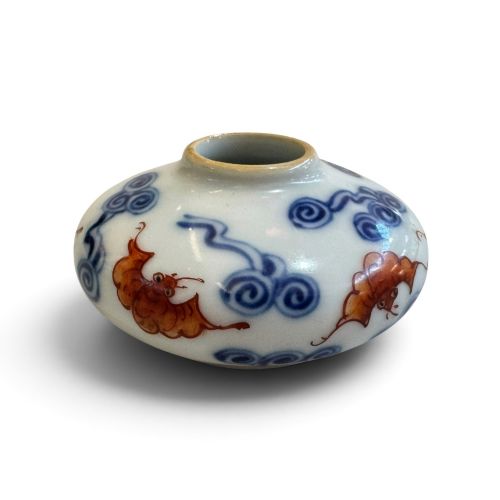
Many items derive from scholar's studios, serving both a functional purpose for ink washing and an aesthetic role on the scholar's desk. The selection encompasses specialised shapes like the Buxi and Tangluo Xi.
Materials and construction
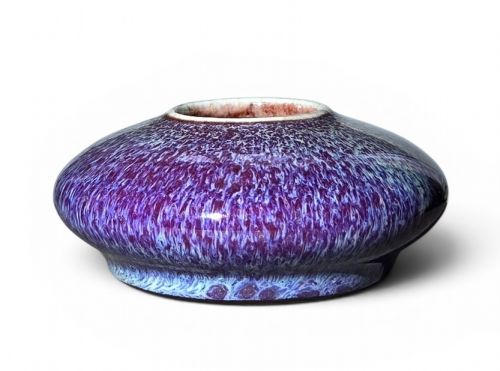
Potters and artisans shaped these objects using high-temperature porcelain, stoneware, and carved minerals such as jade and soapstone. Glazing techniques include iron rust, flambé, cobalt, and underglaze red applications.
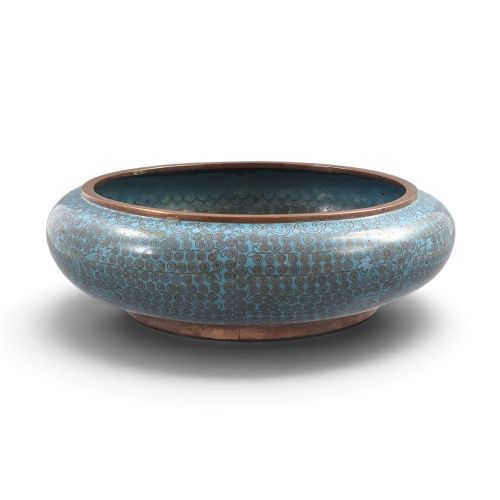
Carved organic materials like bamboo and buffalo horn appear alongside metalwork using bronze and copper alloy with cloisonné enamel. These diverse methods reflect the sophisticated workshop practices of the period.
Materials represented across these scholar's objects include porcelain, jade, soapstone, bamboo, buffalo horn, and copper alloy.
Factors determining quality
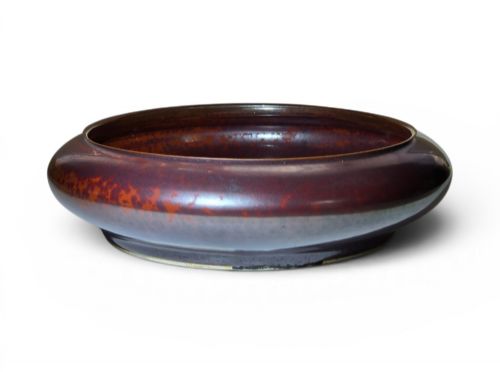
Quality rests on the precision of the carving and the control of the ceramic glaze. Imperial-quality pieces display superior command over reactive glazes like flambé and iron rust.
The purity and handling of the raw material, whether translucent jade or fine porcelain, separate standard utility pieces from high-status scholarly works.
The Qing Dynasty Brush Washer Glossary
- Buxi
- A traditional term for a compressed brush washer form. These vessels sit low and wide on the scholar's desk.
- Tangluo Xi
- A specific type of compressed brush washer associated with imperial porcelain production. The form mimics the shape of a gong.
- Flambé
- A streaked, variegated glaze created by complex oxidation and reduction firings in the kiln. This unpredictable technique produces rich red and purple hues.
- Cloisonne
- Enamelwork where thin metal strips form compartments on a metal base before firing. Artisans fill these wired cells with coloured paste.
- Celadon
- A pale green jade or transparent green ceramic glaze imitating jade. This finish holds a long tradition in Chinese material culture.
Qing Dynasty Brush Washer: Frequently Asked Questions
What is a qing dynasty brush washer?
A qing dynasty brush washer is a small vessel used by scholars to clean ink from calligraphy brushes. These pieces were essential tools on the traditional desk.
They appear in various materials including porcelain, jade, soapstone, and bronze, reflecting the high artistic standards of the period.
How do I identify a brush washer?
Brush washers are typically shallow bowls or basin forms designed to hold water for rinsing brushes. They often feature specialised shapes like the compressed Buxi or Tangluo Xi.
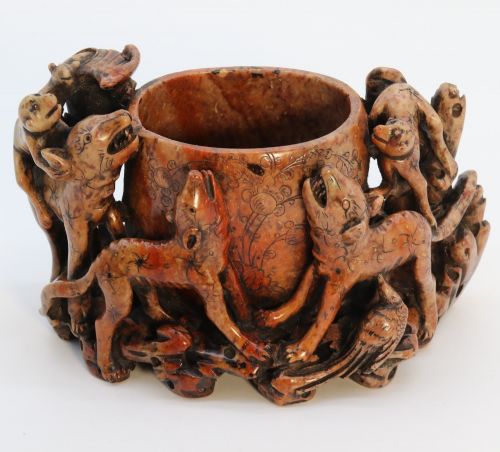
Larger cylindrical vessels in the listings function as brush pots rather than washers, holding brushes upright instead.
What materials were used?
Artisans utilised porcelain with monochrome, blue and white, or reactive glazes like flambé and iron rust. Carved hardstones such as jade and soapstone are also common.
Organic materials like bamboo and buffalo horn appear alongside metalwork like cloisonné enamel and bronze.
How do these pieces date?
Dating relies on stylistic markers, material analysis, and historical attribution to the eighteenth or nineteenth century. Periods range from the high Qing era through the late Qing and early Republic transition.
Imperial-quality works often exhibit specific reign characteristics and refined manufacturing techniques tied to court workshops.