




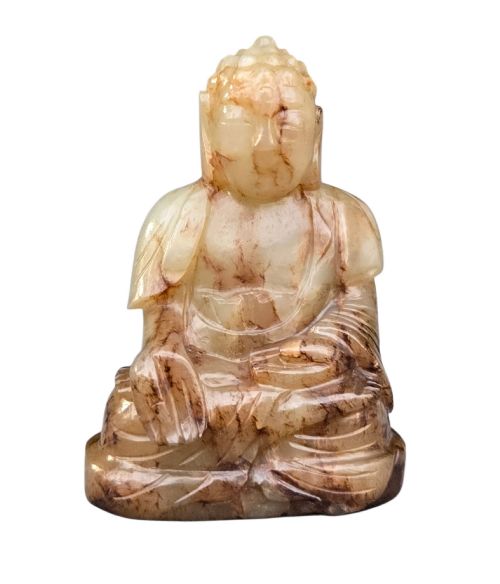

Qing Dynasty Jade Carving
A qing dynasty jade carving brings together centuries of lapidary skill in nephrite and jadeite, offering tangible links to imperial workshop traditions.
Qing Dynasty Jade Carving
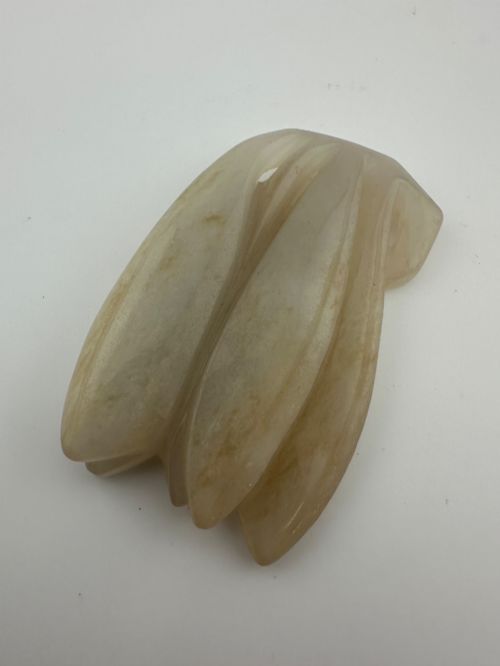
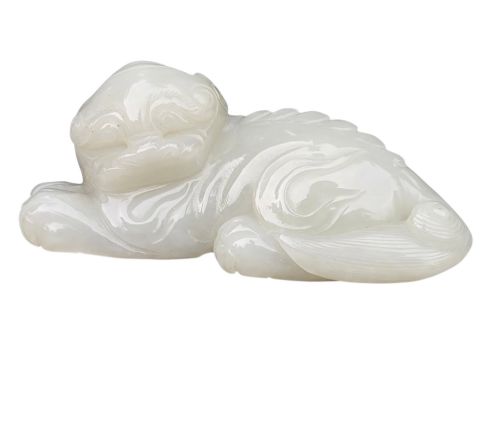
A qing dynasty jade carving spans functional scholar's objects, ceremonial vessels, and figural sculptures produced across the eighteenth and nineteenth centuries. These pieces encompass pale celadon cicadas, white jade belt buckles, spinach-green snuff bottles, and larger mountain landscape sculptures designed for scholar desks.
The objects derive from Chinese workshop traditions adhering to imperial styles, archaic motifs, and traditional forms. Most examples encountered belong to the nineteenth century, alongside pieces dated to the eighteenth century, the Edwardian era, and the transition into the early twentieth century.
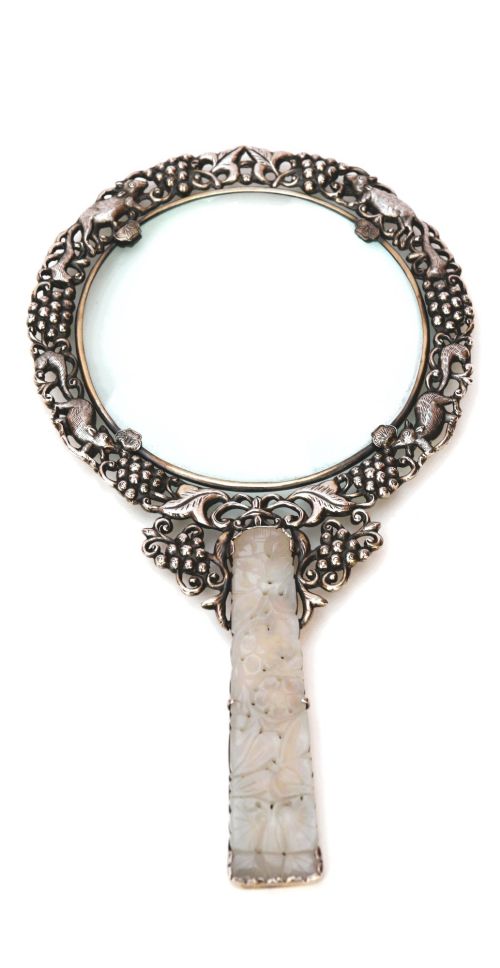
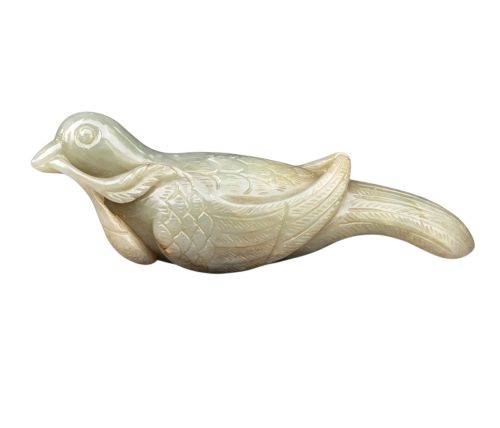
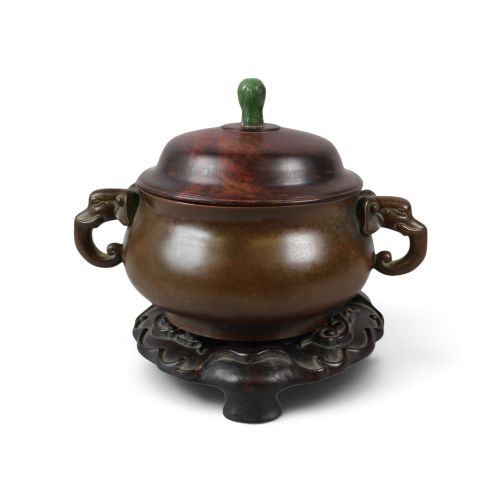
Makers utilised specific mineral forms, incorporating hardstone components, silver mounts, and custom hardwood stands to display vases, censers, and water birds. Surviving items range from small animal carvings to monumental serpentine and jadeite groupings.
Design and Execution
The standard of a qing dynasty jade carving rests upon the depth of the relief work, the fluidity of the incisions, and the natural translucency of the stone. Superior examples display confident command over difficult motifs, such as intricate aquatic scenes or balanced figures, while lesser pieces show stiffer execution.
Lapidary skill appears in the exploitation of natural russet or pale celadon tones to define the subject matter. The integration of custom stands and secondary mountings also separates standard decorative objects from ambitious scholarly commissions.
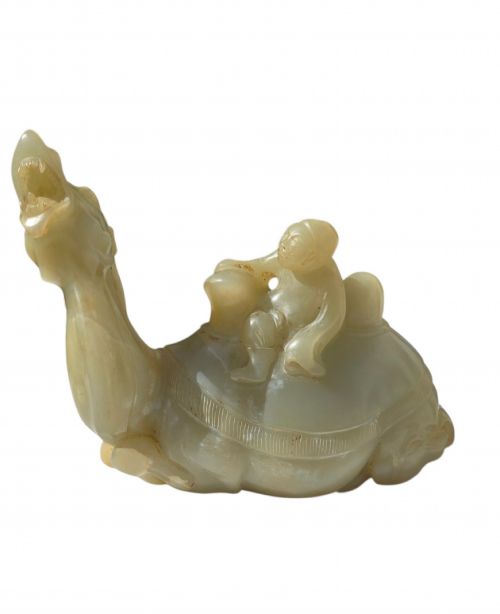
One unexpected camel sculpture carries a rider across its stone expanse, proving lapidaries loved a desert journey just as much as a lotus pond.
The Qing Dynasty Jade Carving Glossary
- Celadon
- A pale green or grey-green glaze or stone colour. This tone occurs naturally in certain nephrite deposits utilised by period carvers.
- Archaistic
- A style that emulates ancient bronzes and ritual forms. Carvers applied taotie masks and archaic vessel profiles to later jades.
- Nephrite
- A dense amphibole mineral comprising one of the primary stones worked by lapidaries. It differs chemically from jadeite while sharing exceptional toughness.
- Taotie
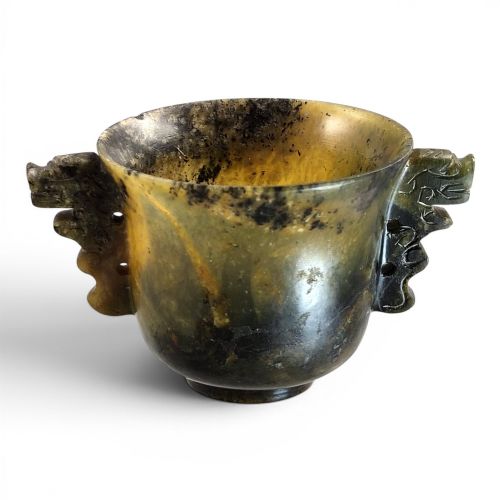
- A stylised zoomorphic mask motif borrowed from ancient bronze ritual vessels. This design frequently appears on handles and ritual cups.
- Serpentine
- A silicate mineral group including bowenite, often utilised in large sculptural groups. It resembles jade in appearance but possesses distinct physical properties.
Qing Dynasty Jade Carving: Frequently Asked Questions
How do I identify a Qing piece?
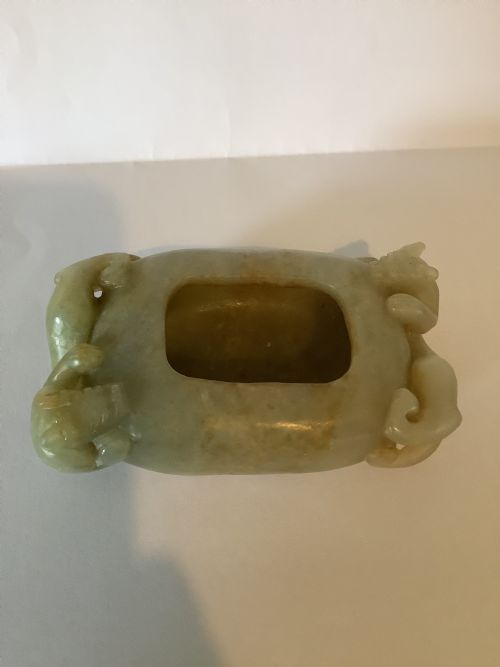
Authentic period indicators include specific forms like brush washers, archaic vessel profiles, and distinct handling of pale celadon or white nephrite. Artisans relied on traditional abrasive techniques that created smooth, softly rounded interior surfaces.
Examination under magnification reveals the characteristic tool marks and polish associated with historical workshops rather than modern mechanical production. Comparing the object against documented eighteenth and nineteenth-century typologies clarifies its chronological placement.
What were jade carvings used for?
These objects served multiple functions within imperial and scholarly circles, ranging from scholar's desk accessories to personal ornaments and ritual vessels. Items like brush washers, water birds, and incense burners facilitated daily scholarly pursuits.
Other formats, such as belt buckles, pendants, and double-sided plaques, functioned as personal adornments or portable displays of status. Snuff bottles provided functional containers for powdered tobacco used among the elite.
How do I care for jade carvings?
Nephrite and jadeite possess high structural toughness, yet they remain vulnerable to impact against hard surfaces and sudden thermal shock. Dust the stone gently with a soft, dry cloth without applying harsh chemical solvents.
Display pieces safely upon stable surfaces, utilising custom hardwood stands where provided to prevent rolling or tipping. Avoid prolonged exposure to direct sunlight or extreme temperature fluctuations.
What is the difference between jade and hardstone?
Strictly speaking, jade encompasses specific mineral species like nephrite and jadeite, whereas hardstone is a broader designation for any durable decorative stone. Carvers frequently utilised related materials such as bowenite serpentine within the same workshops.
Distinguishing between them relies on mineralogical composition, density, and refractive index rather than visual appearance alone. Many historical inventories grouped these complementary materials together under traditional carving categories.