

Qing Dynasty Art
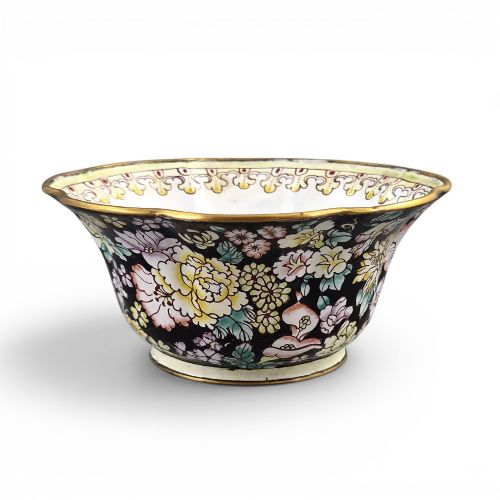
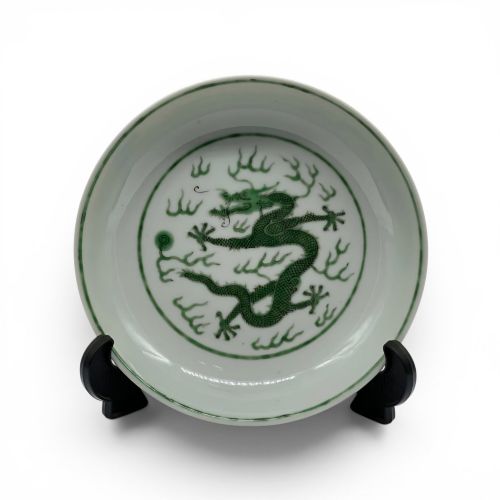
Qing dynasty art encompasses diverse material expressions from imperial porcelain to pith paper paintings that collectors acquire for their historical depth.
Qing Dynasty Art
When exploring qing dynasty art, buyers encounter an array of objects spanning wall art, sculptures, and vases originating predominantly from the eighteenth and nineteenth centuries.
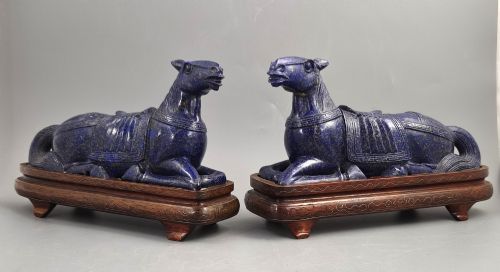
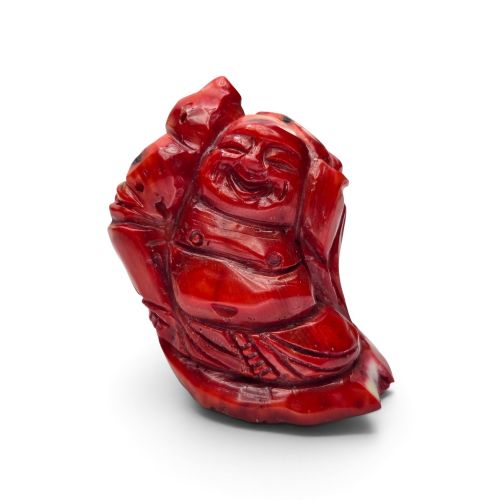
The selections on this page frequently include framed paintings, silk textile works, and intricately carved hardwood or jade figures reflecting traditional Chinese craftsmanship.
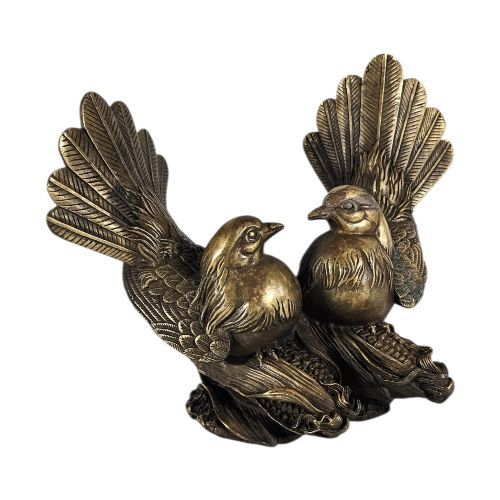
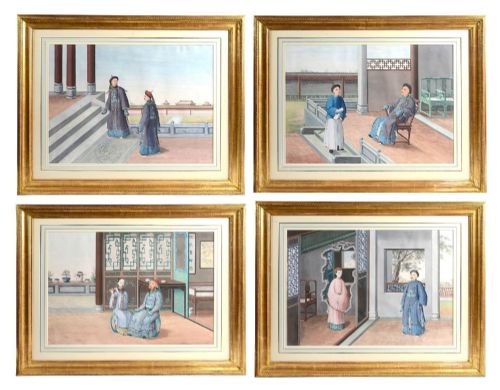
Objects range from delicate pith paper watercolours to monumental bronze and cloisonne pieces produced during the late imperial era and export periods.
Materials and Techniques
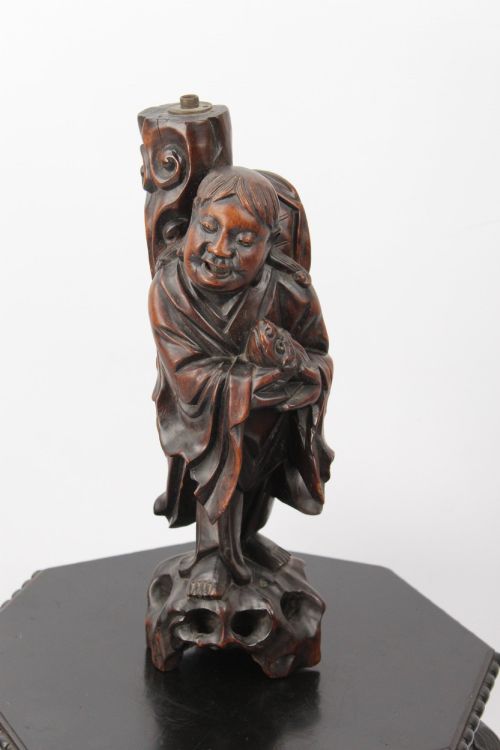
Artisans employed organic and mineral substances, utilising porcelain, hardstones such as jade and serpentine, and precious metals alongside carved wood and lacquer.
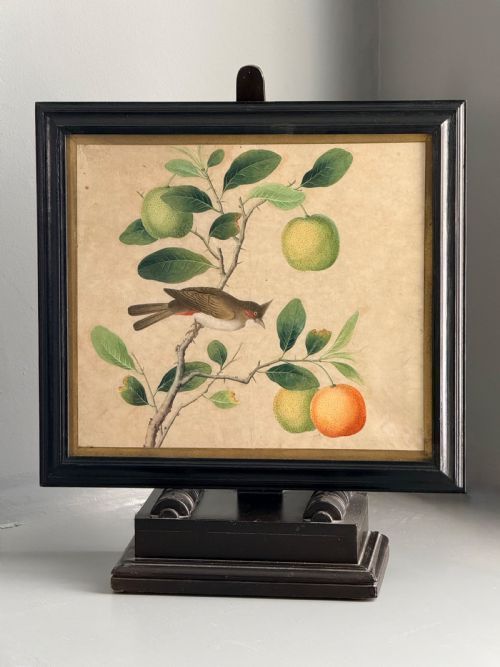
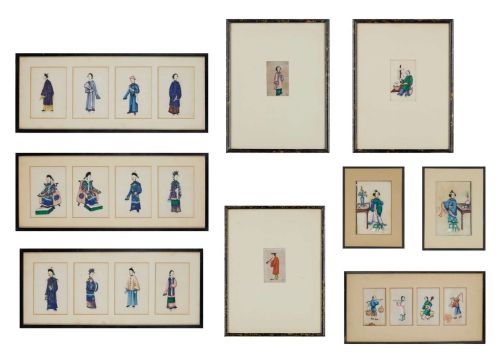
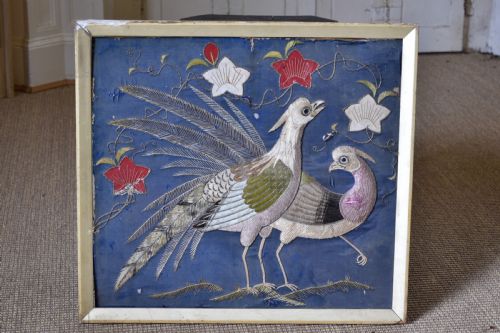
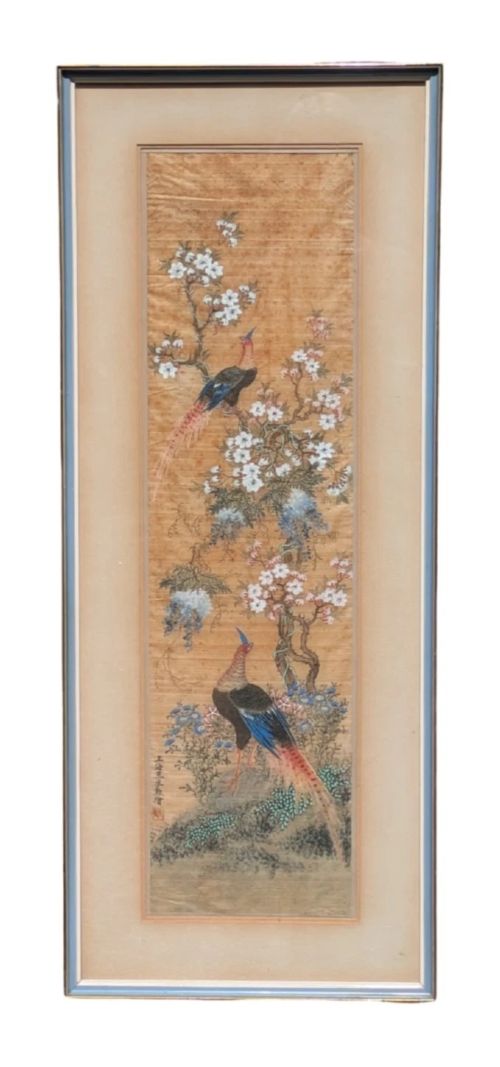
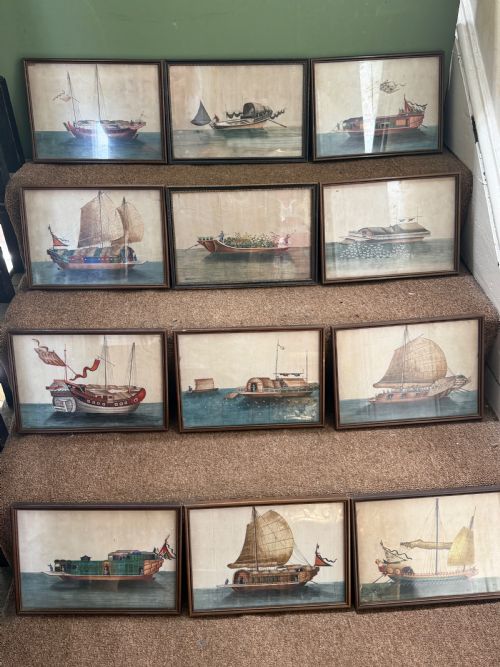
Paintings and textiles rely on gouache on pith paper, watercolours on silk, and hand-sewn silk embroidery threads rendered under glass.
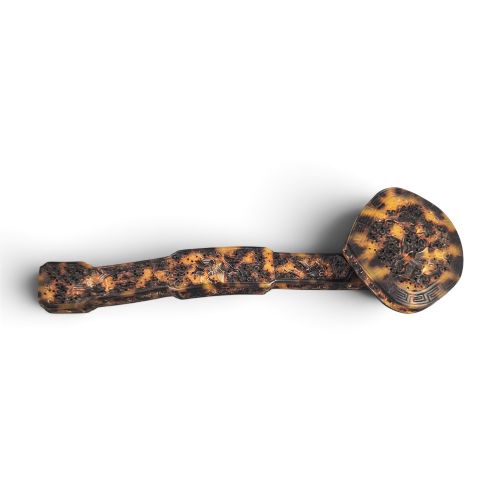
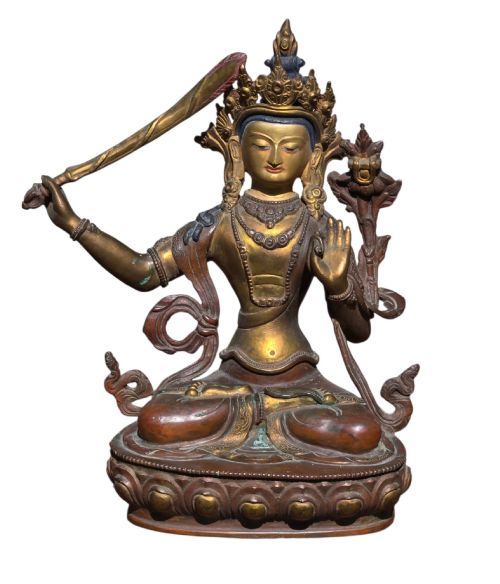
Sculptural works demonstrate mastery in casting bronze and cloisonne, carving bone and tortoiseshell, and shaping cinnabar lacquer.
Qing Dynasty Art Retail Price Guide 2026
Typical asking prices for qing dynasty art among the pieces listed under this phrase on Sellingantiques today, from the lower quarter to the upper quarter. They describe what is for sale here now, not the wider market.
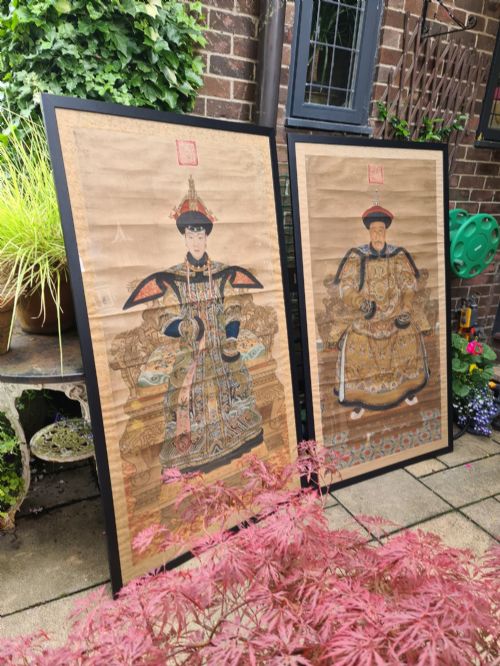
The inventory spans multiple forms, including hanging scrolls, snuff bottles, ancestral paintings, and freestanding figurative sculptures.
Distinctions in Quality
The standard of execution separates superior examples from ordinary pieces, visible in the precision of brushwork on silk or pith paper and the crispness of carved details on jade and hardwood.
Material selection dictates value, where unblemished coral, high-purity gilt bronze, and original fitted stands elevate an object's integrity.
Condition and preservation of fragile components, such as embroidered silk panels and painted enamel surfaces, determine the standing of each piece.
The Qing Dynasty Art Glossary
- Pith paper
- A delicate material formed from the cellular pith of the Tetrapanax papyrifer plant, commonly used for watercolours produced for export during the nineteenth century.
- Cloisonne
- An enamel work technique where thin metal wire is soldered to a metal base to form compartments filled with coloured paste and fired.
- Cinnabar lacquer
- A decorative coating made from the pulverized mineral mercuric sulphide applied in numerous layers to a wood or metal base before carving.
- Rank badge
- A square embroidered textile emblem worn on official robes during the Qing dynasty to denote civil or military status.
- Ruyi scepters
- Curved ceremonial objects shaped like a lotus fungus, traditionally symbolising power and good fortune in Chinese culture.
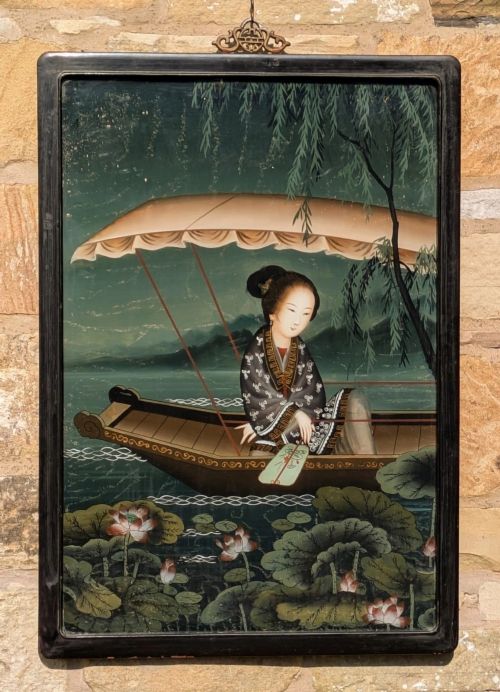
- Reverse painting on glass
- A technique where artists paint directly onto the rear side of a glass plate so the image is viewed through the transparent front.
Qing Dynasty Art: Frequently Asked Questions
What periods do these pieces date from?
The inventory spans the eighteenth and nineteenth centuries, reaching into the early twentieth century. Most items reflect the later decades of the Qing dynasty and the Chinese export trade.
Specific dated pieces connect to reigns such as the Qianlong, Daoguang, and Guangxu periods, alongside Edwardian-era imports.
How should I display silk and paper art?
Works on silk, pith paper, and embroidered rank badges require protection from direct sunlight to prevent fading of natural pigments. Framing under conservation-grade glass preserves these delicate organic materials.
Maintain stable indoor humidity levels to safeguard textiles and paper from environmental degradation.
How do I identify export art?
Chinese export art comprises items manufactured specifically for Western markets during the Qing dynasty. These objects often combine traditional Eastern motifs with European taste in forms like reverse glass paintings and Canton watercolours.
Documentation and stylistic traits help distinguish pieces made for domestic imperial use from those created for international trade.