







Qianlong Porcelain Plate
These qianlong porcelain plate examples bring hand-painted eighteenth-century artistry into modern rooms, offering collectors vibrant palettes and exceptional historical detail.
Qianlong Porcelain Plate
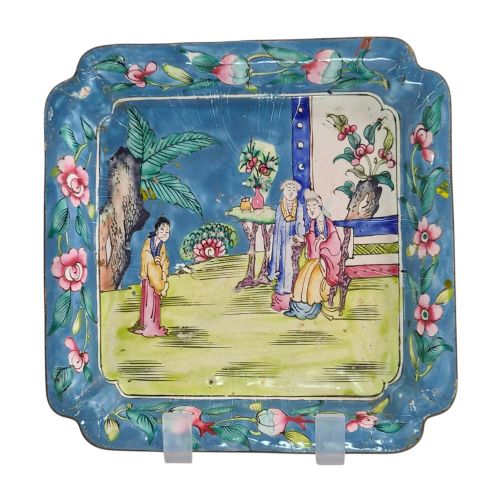
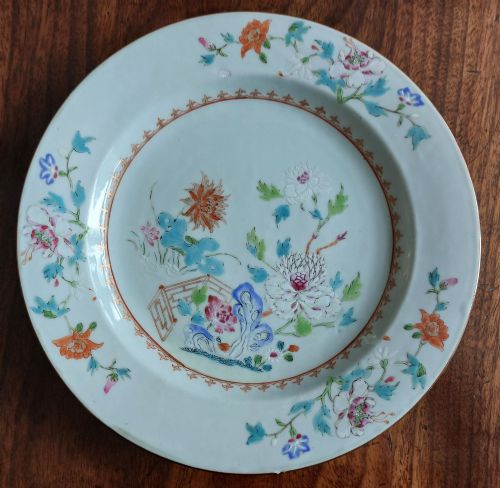
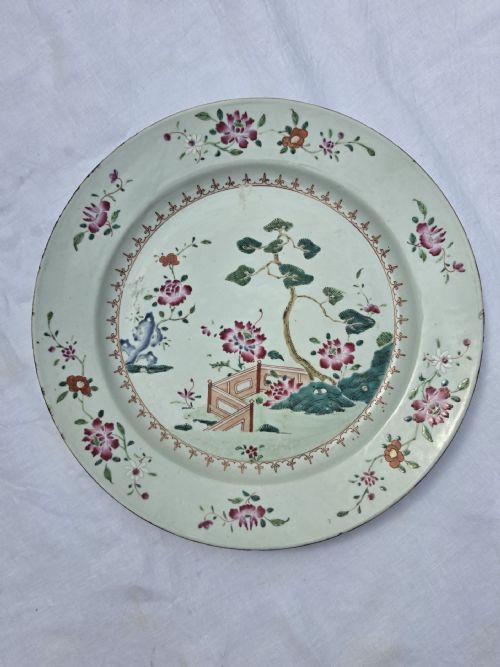
A qianlong porcelain plate connects a buyer directly to the eighteenth-century Qing Dynasty, representing an era of sophisticated imperial trade and production. The pieces seen here span standard round plates, octagonal soup plates, and large chargers intended originally for wealthy export markets.
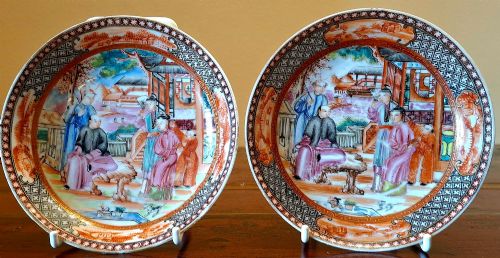
Most examples belong to the Chinese Export tradition, combining traditional domestic porcelain manufacturing with decorative motifs tailored for Western tastes. Alongside standard plates, buyers encounter related forms such as saucers and bowls sharing the same distinct period aesthetic.
The aesthetic vocabulary encompasses vibrant famille rose palettes, Mandarin palette figure scenes, and heraldic armorial commissions bearing specific European family coats of arms. These variations allow collectors to choose between narrative scenes, floral compositions, and bespoke historical commissions.
How they were made
The foundation of every piece is hard-paste porcelain, fired at high temperatures to create a dense, vitrified body that held fine detail and supported complex glazes. Cobalt pigment provided the deep underglaze blue seen in traditional blue and white wares.
Overglaze enamel and gold leaf were applied in subsequent low-temperature firings to build up the intricate famille rose and Mandarin palette designs. This multi-step firing process fixed the bright pinks, greens, and gilt accents permanently onto the glazed surface.
Qianlong Porcelain Plate Retail Price Guide 2026
Typical asking prices for qianlong porcelain plate among the pieces listed under this phrase on Sellingantiques today, from the lower quarter to the upper quarter. They describe what is for sale here now, not the wider market.
Listings demonstrate that eighteenth-century porcelain includes both hard-paste bodies and vibrant overglaze enamel decoration.
What varies in quality
Quality rests primarily on the crispness and complexity of the hand-painted enamel work, distinguishing mass-produced export pieces from master-painted commissions. Superior examples display precise brushwork, layered pigments, and well-rendered facial expressions or heraldic details.
Armorial plates gain distinct value from the historical significance of the painted coat of arms and the accuracy of the family blazon. The structural integrity of the porcelain body, including the uniformity of the glaze and the precision of scalloped or octagonal rims, also defines the tier of the piece.
The Qianlong Porcelain Plate Glossary
- Famille Rose
- A prominent enamel palette introduced during the Qing Dynasty, distinguished by opaque pink or purple enamels derived from colloidal gold. This palette allowed painters to achieve subtle tonal gradations.
- Hard-Paste Porcelain
- A true ceramic compound composed of kaolin and petuntse, fired at very high temperatures. It produces a hard, translucent body impervious to liquid.
- Mandarin Palette
- A style of Chinese export porcelain featuring detailed figure scenes, often depicting courtly or domestic activities within framed borders. These scenes typically utilise rich enamel colours.
- Armorial
- Porcelain decorated with specific European family coats of arms, commissioned specially for foreign export. These bespoke services represent some of the most documented items of the period.
- Underglaze Blue
- A decorative technique using cobalt pigment applied directly to the raw porcelain body before glazing and firing. The resulting blue design sits beneath the transparent protective glass layer.
Qianlong Porcelain Plate: Frequently Asked Questions
How do I identify a genuine period piece?
Examine the weight, the translucency of the hard-paste porcelain body, and the texture of the hand-applied overglaze enamels under magnification. Eighteenth-century pieces exhibit natural wear patterns and subtle irregularities in the glaze.
Check the foot rim for signs of age, such as smoothness and adherence to traditional kiln methods. Documented reign periods and armorial crests further anchor the item within the eighteenth century.
How were these plates originally used?
While many served as dining and display vessels in European households, armorial services functioned primarily as status symbols for nobility. They demonstrated wealth and global connections during grand dinners.
Smaller forms like saucers and tea bowls accompanied imported tea, while larger chargers decorated formal dining rooms. Their dual role as utilitarian items and decorative art explains their survival today.
Can I use my plate for dining?
Using an eighteenth-century plate for daily dining is generally discouraged due to the risk of thermal shock and abrasive wear to the overglaze enamels. Centuries of age leave the ceramic body and surface pigments delicate.
Displaying them on plate stands or hanging them securely preserves their condition. Gentle hand-washing without harsh detergents suffices if cleaning becomes necessary.
What is the difference between blue and white and famille rose?
Blue and white porcelain relies on cobalt pigment applied under the glaze before a single high-temperature firing, resulting in a durable monochrome finish. Famille rose utilises a polychrome palette of opaque enamels fired multiple times.
Blue and white pieces often reflect traditional Chinese landscape or floral motifs, whereas famille rose wares frequently incorporate vibrant pinks and Western-influenced narrative scenes tailored for export.