
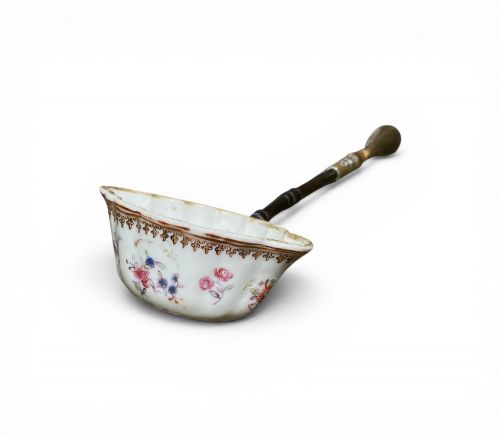


Qianlong Famille Rose
Qianlong famille rose pieces are vibrant Qing dynasty ceramics painted with opaque pink enamel, prized by collectors for their delicate floral motifs and rich palette.
Qianlong Famille Rose
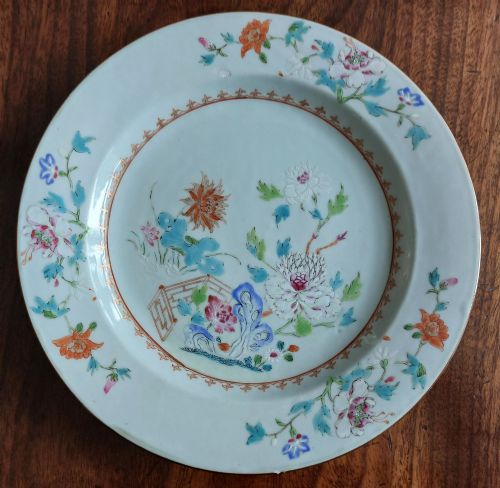
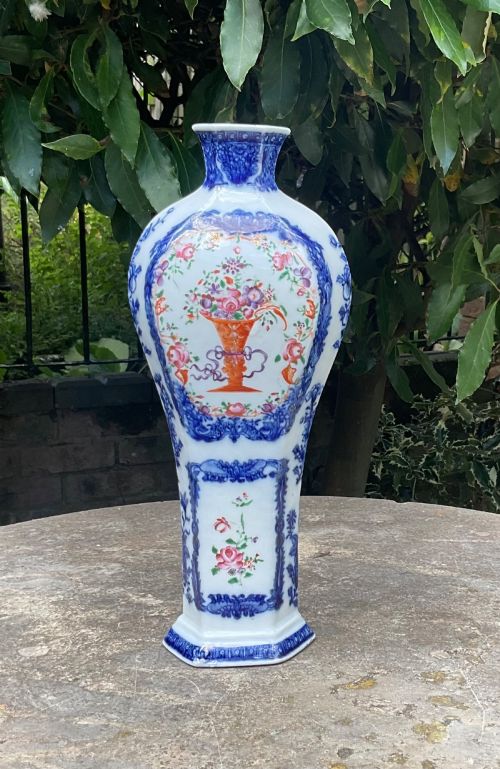
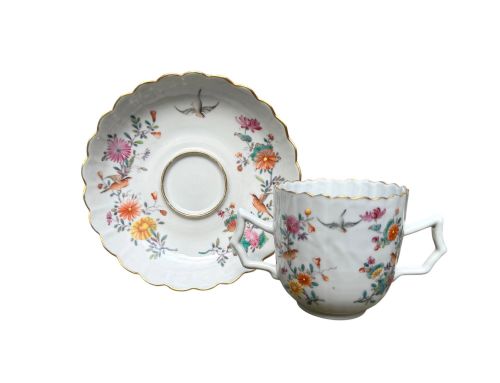
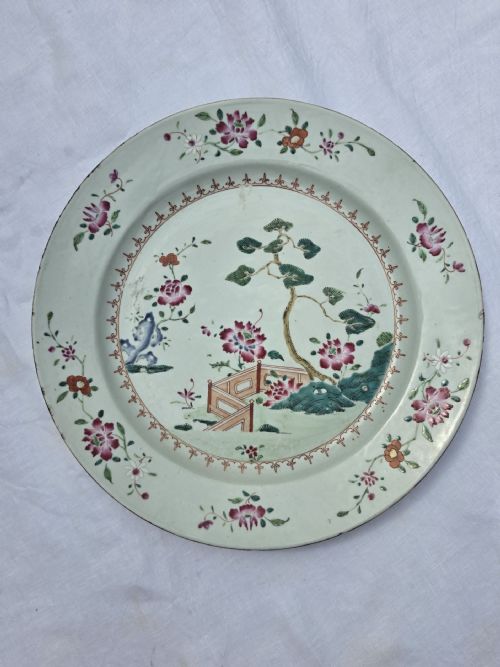
When you search for qianlong famille rose, you encounter 18th-century Chinese export porcelain produced during the Qing dynasty under the Qianlong emperor. These items span domestic wares and objects made for Western markets, carrying the distinct pink-dominant palette that defines the style.
The selection on this page centres heavily upon tablewares and vessels from the mid-to-late 18th century. Plates, chargers, mugs, teacups, saucers, bowls and armorial dishes dominate the inventory, alongside occasional figures and vases.
Most examples originate from the 1700s, specifically dated across the middle decades of that century. They combine utilitarian forms with intricate polychrome decoration tailored to both Asian and European tastes.
How they were made
Potters shaped hard-paste porcelain before applying complex overglaze enamels, utilising the characteristic opaque pink colour derived from colloidal gold alongside turquoise, green and yellow pigments. Gold leaf accents sometimes appear alongside these enamel glazes.
Painters executed detailed scenes by hand directly onto the fired porcelain surface, often incorporating birds, floral designs, armorial crests or figurative narratives. A secondary firing fused the enamels to the glaze.
Listings feature 18th-century periods, utilising hard-paste porcelain, enamel, and gold leaf across forms like plates, mugs, and bowls.
What varies in quality
Quality rests upon the precision of the brushwork and the complexity of the painted subject matter. Simple floral sprays contrast with elaborate armorial coats of arms or intricate figural scenes requiring superior draughtsmanship.
The brilliance and stability of the enamel glaze dictate refinement, alongside the potting quality of the hard-paste porcelain body itself. Thinner, more translucent bodies and well-preserved gilt highlights signal finer production standards.
The Qianlong Famille Rose Glossary
- Famille rose
- A class of Chinese porcelain characterised by opaque pink enamel introduced during the Qing dynasty. The palette allowed for nuanced shading of floral and figurative subjects.
- Hard-paste porcelain
- A dense, vitrified ceramic made from petuntse and kaolin fired at high temperatures. It forms the durable body of these 18th-century vessels.
- Armorial
- Decoration featuring a specific European family coat of arms. These bespoke services were ordered through trade channels.
- Overglaze enamel
- Pigments painted onto an already fired and glazed porcelain surface. The piece undergoes a subsequent low-temperature firing to bond the colours.
- Qing dynasty
- The imperial dynasty ruling China from sixteen forty-four to nineteen twelve. The Qianlong period sits within its 18th-century golden age.
Qianlong Famille Rose: Frequently Asked Questions
How are these pieces dated?
Dating relies on stylistic evidence, historical trade records, and occasionally reigning emperor marks found on the base of the porcelain. Imperial marks do not strictly prove the piece was made during that exact reign, as apocryphal marks were common.
Examinations of the paste, the specific shades of the famille rose palette, and the form of the vessel further help place items within the 18th century.
Were these made for export?
Many items produced during this era were destined for European and Western markets via trade companies. These pieces frequently blended traditional Chinese manufacturing techniques with Western shapes and armorial designs requested by foreign buyers.
Other wares served domestic Chinese patrons, yet both categories utilised the distinct enamel decoration associated with the period.
What is an armorial dish?
An armorial dish is a piece of export porcelain painted with a specific European family coat of arms. Wealthy families commissioned these complete dinner services from Chinese kilns.
Painters copied the heraldry from sketches sent out from Europe, resulting in unique personalized tablewares.