

Provincial Wooden Dining Table
A provincial wooden dining table brings practical warmth and daily character to the heart of the home.
Provincial Wooden Dining Table
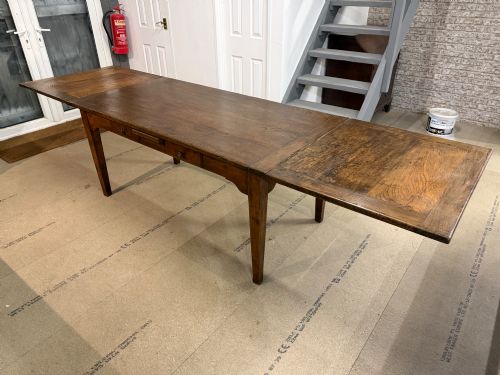
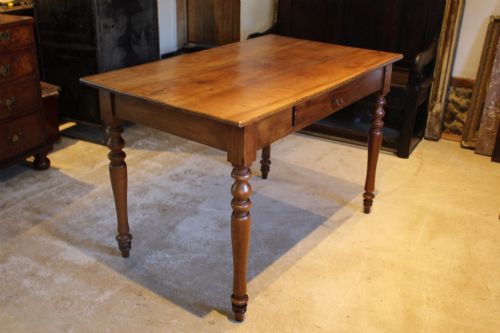
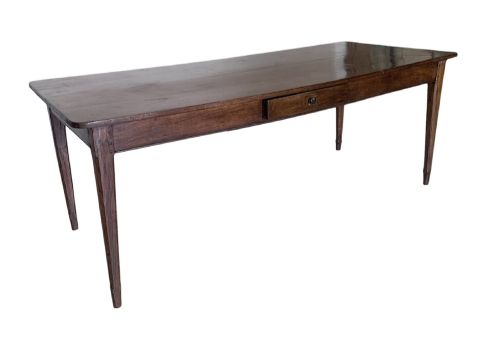
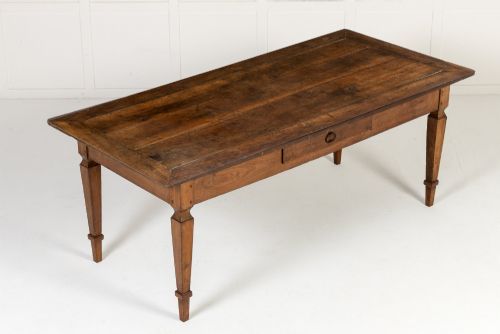
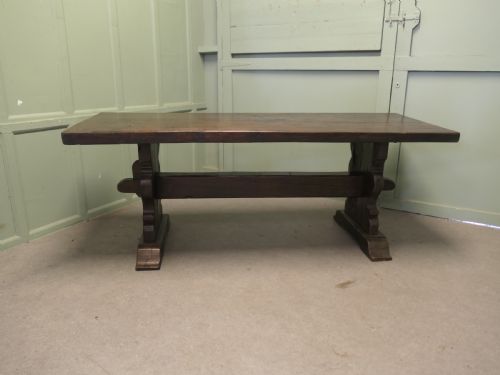
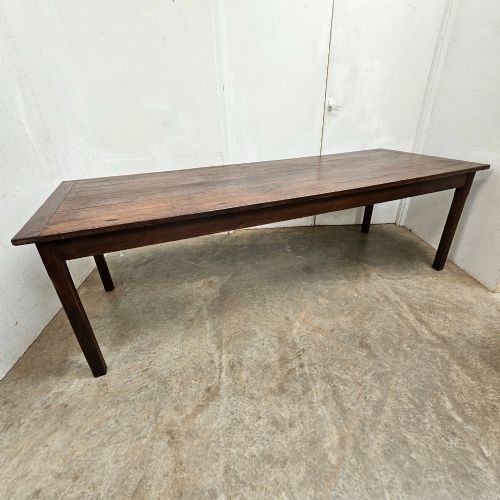
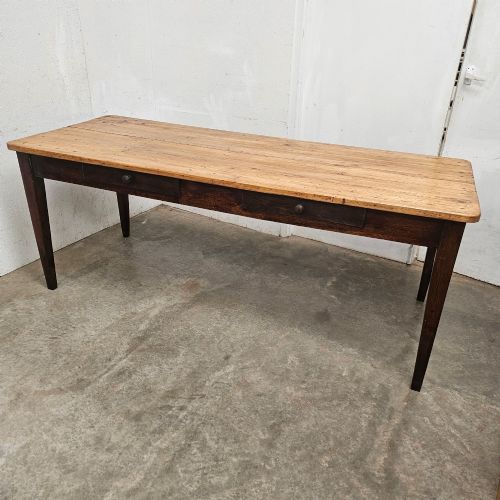
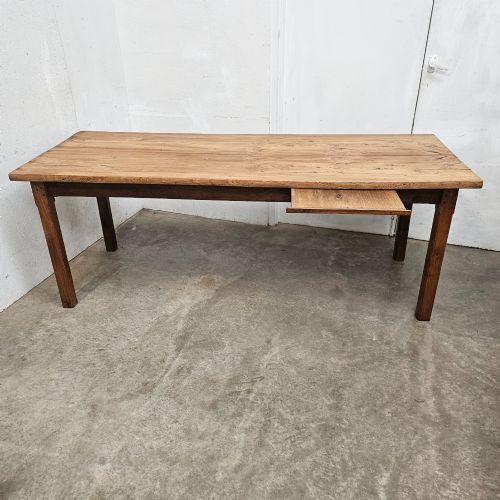
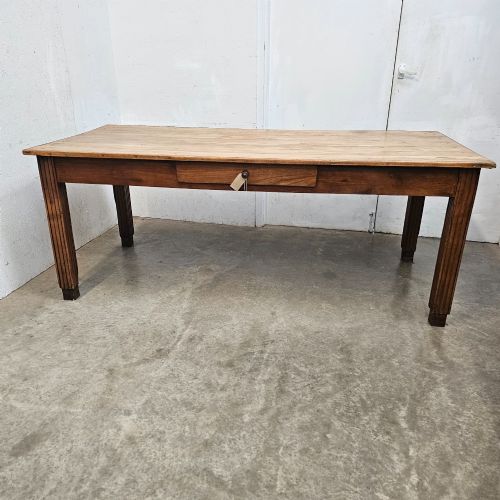
A provincial wooden dining table offers a sturdy and honest surface designed for everyday family life and communal dining. These pieces range from substantial refectory styles to practical kitchen tables fitted with handy drawers or extension leaves.
Most examples found here originate from French provincial regions, bringing regional charm through honest construction and time-worn timber. Buyers encounter robust timbers shaped for utility, spanning centuries of domestic history from simple farmhouses to country kitchens.
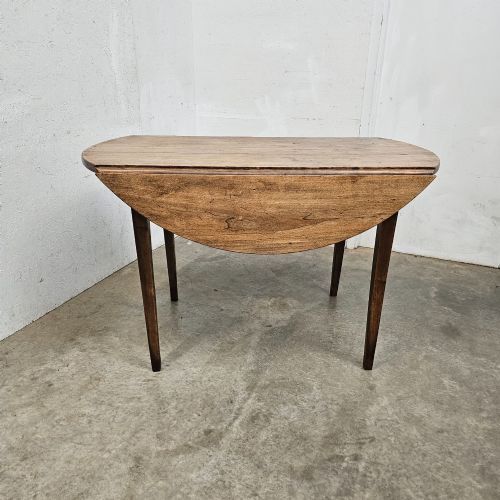
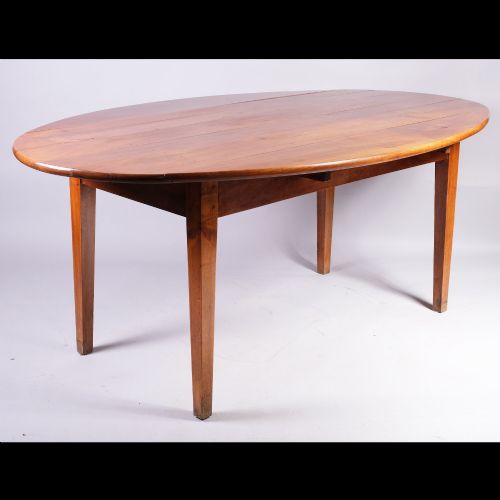
Forms vary from long refectory tables intended for large gatherings to smaller drop-leaf and round tables suited for compact spaces. Each provincial wooden dining table reflects the practical needs of rural households through sensible proportions and robust framing.
How they were made
Joiners relied upon heavy hardwoods and regional fruitwoods such as oak, cherrywood, walnut, and elm to withstand decades of rigorous daily use. Planks were joined with pegged mortise and tenon joints, creating rigid frames that tolerated seasonal humidity shifts without failing.
Working surfaces often utilised scrubbed pine or thick hardwood boards selected for resilience against food preparation and daily wear. Drawers integrated into the aprons utilised hand-cut dovetail joints, housing utensils or linens close to the dining space.
Listings feature durable hardwoods and fruitwoods including oak, cherrywood, walnut, elm, and pine across nineteenth-century and early twentieth-century periods.
What varies in quality
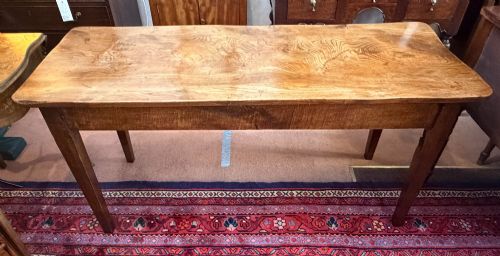
Quality rests upon the integrity of the timber selection and the retention of original surface patination accumulated through generations of use. Tables featuring single-board or stable multi-board tops demonstrate superior timber selection compared to altered or heavily rebuilt surfaces.
The sophistication of the underframe and the presence of working mechanisms, such as original draw leaves or double-extending frames, elevate the craftsmanship. Proportion and balance between the heavy top and supporting legs dictate the visual harmony of the piece.
The Provincial Wooden Dining Table Glossary
- Refectory table
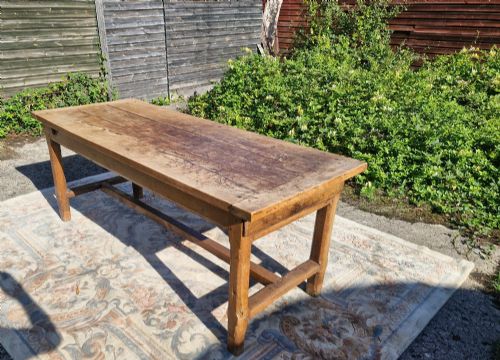
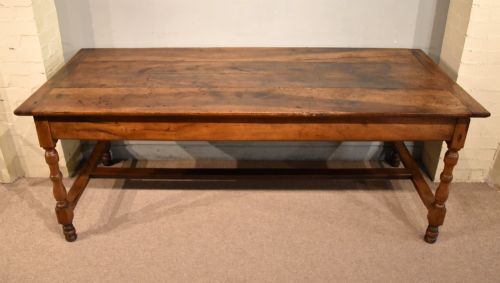
- A long, narrow dining table originally built for communal dining halls and adapted for large domestic kitchens. These pieces rely on stretcher-joined legs for maximum stability.
- Parquetry
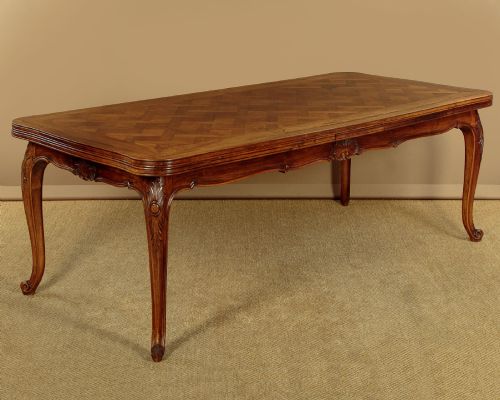
- A geometric mosaic of wood pieces used for decorative surfacing on tabletops. This technique showcases skilled carpentry through intricate wood grain arrangements.
- Draw leaf table
- An ingenious extension table featuring auxiliary leaves stored beneath the main top that pull out to lengthen the surface. This mechanism provides flexible seating capacity.
- Scrub-top
- A bare wooden tabletop designed to be vigorously scrubbed clean after food preparation. This finish displays a pale, bleached grain texture.
- Vendange table
- A folding table traditionally utilised during the grape harvest in French vineyards. These portable surfaces offer practical folding frames for easy storage.
Provincial Wooden Dining Table: Frequently Asked Questions
How do I clean a wooden table?
Wipe surfaces gently using a slightly damp cloth to remove daily dust and food residue. Avoid harsh chemical cleaners that strip the historic finish.
Apply natural beeswax periodically to nourish the dry timber and maintain a soft, protective sheen. This preserves the historical character without altering the wood.
Can I use these tables daily?
These tables were built precisely for heavy domestic use, making them ideal for modern family dining. Their robust construction handles daily meals and gatherings with ease.
Use protective mats under hot dishes and liquids to prevent ring marks on the antique timber. Such simple precautions protect the historic surface during routine use.
How do I identify a French farmhouse table?
Look for honest, unpretentious construction using regional timbers like cherrywood, oak, or fruitwood. Practical additions like end drawers or sliding bread boards often signal French country origins.
The overall scale tends to prioritize function, with straightforward legs and generous overhangs designed for seating families comfortably.