

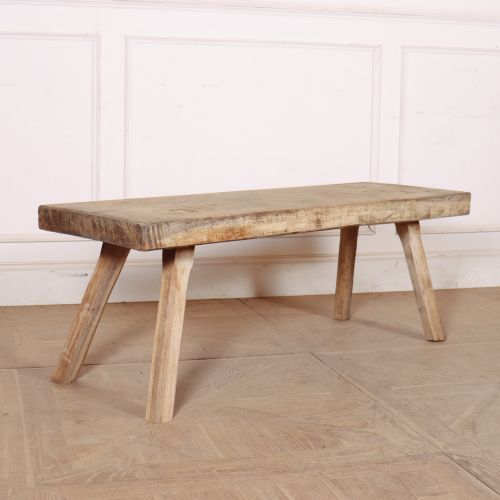

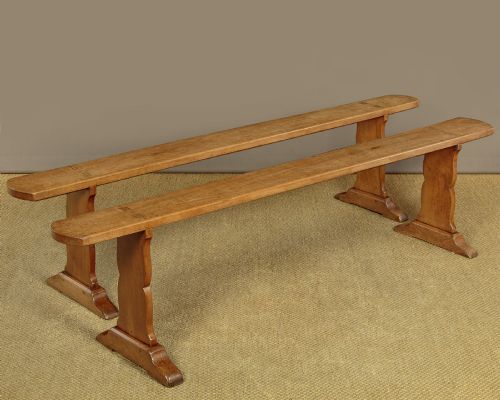
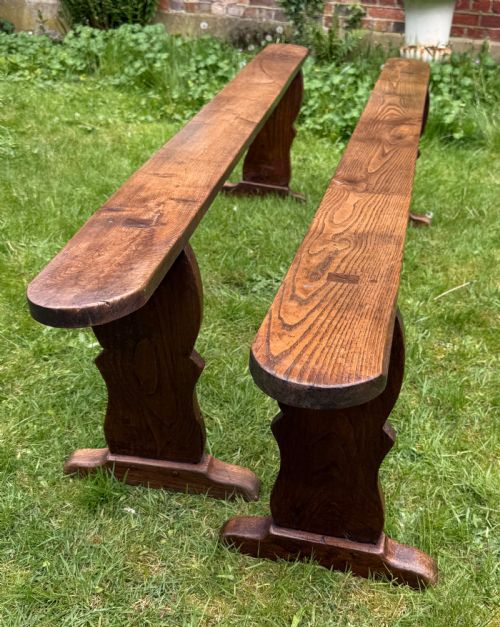


Provincial Wooden Bench
A provincial wooden bench brings honest regional craft into a room, offering sturdy seating built from oak, elm, pine, and cherrywood.
Provincial Wooden Bench
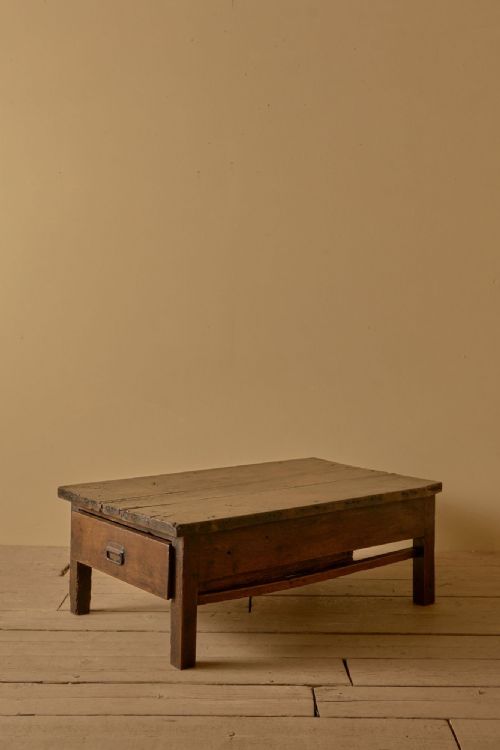
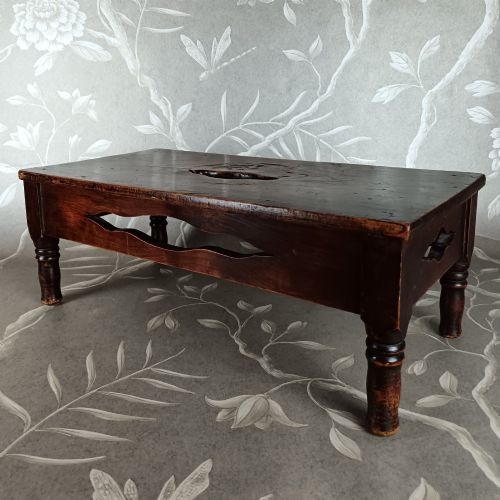
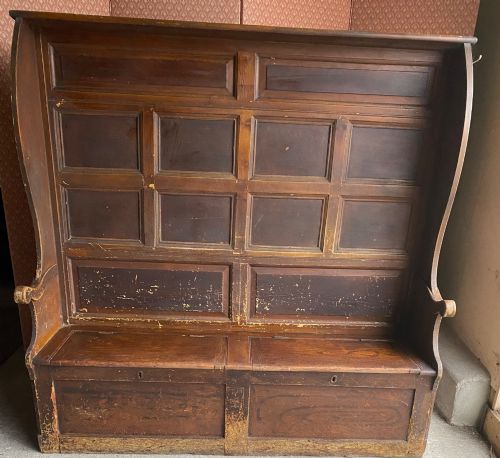
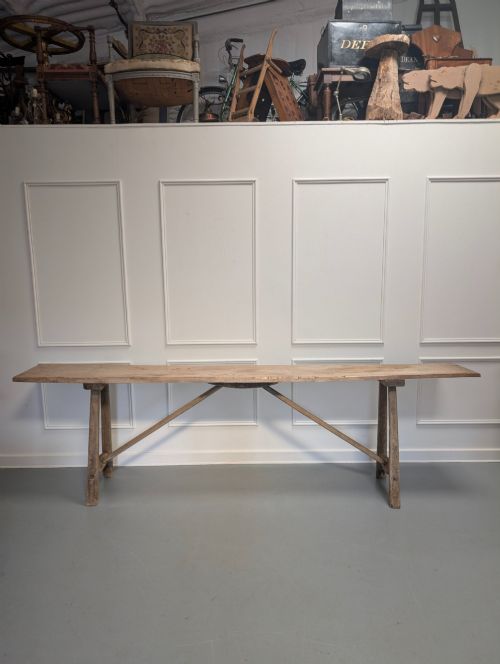
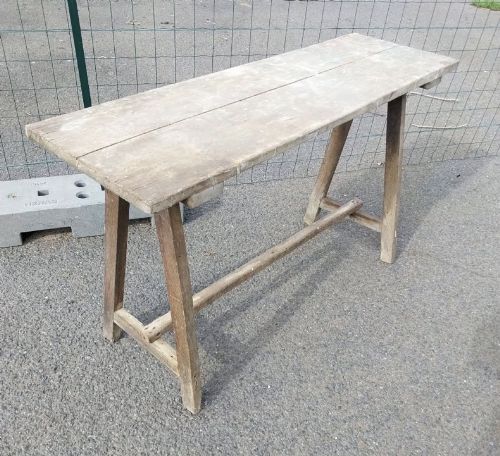
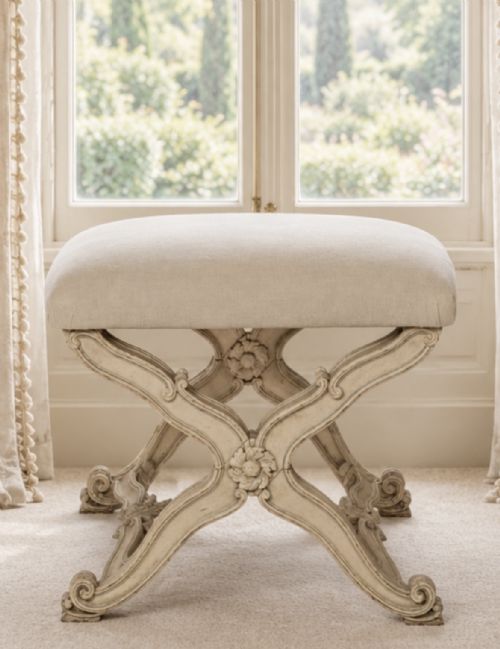
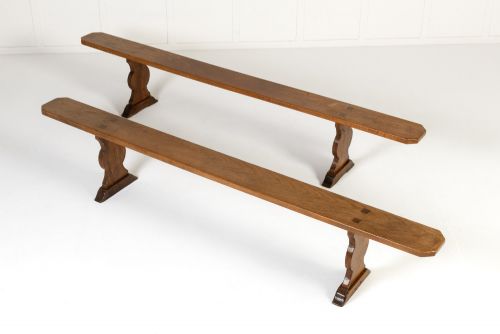
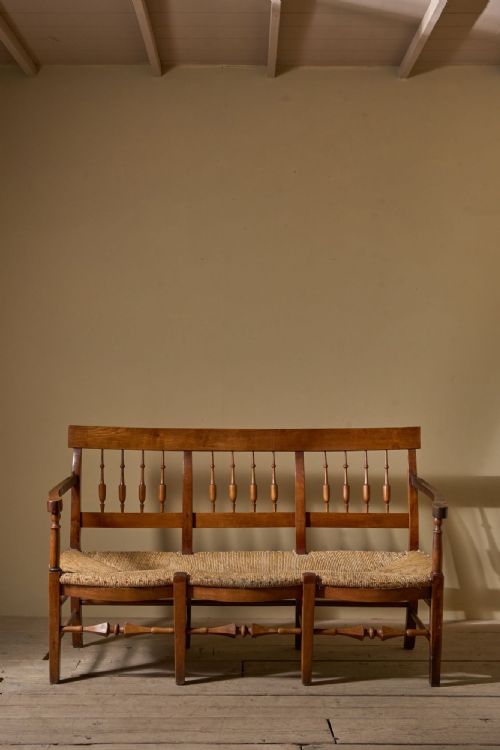
A provincial wooden bench is a functional seat shaped by regional makers across the eighteenth and nineteenth centuries. These pieces encompass long dining benches, hall benches, box-seated settles, and scratch-built country examples.
Most entries on this page date from the nineteenth century, alongside examples from the eighteenth century. They draw on styles ranging from rustic country and French provincial to Georgian.
Makers utilised local hardwoods and softwoods to create practical furniture for daily use. Their forms remain unpretentious, relying on simple joinery and solid timber construction.
How they were made
Construction relies on solid timbers such as oak, elm, cherrywood, and pine, often joined by hand. Workshops selected these woods for local availability and structural strength.
Surfaces show various finishes including scrubbed sycamore, bleached oak, and original paint. Some seats incorporate rush or cane weaving alongside plain timber panels.
Provincial Wooden Bench Retail Price Guide 2026
Typical asking prices for provincial wooden bench among the pieces listed under this phrase on Sellingantiques today, from the lower quarter to the upper quarter. They describe what is for sale here now, not the wider market.
Some nineteenth century benches spent decades in florists' shops and cobblers' workshops before reaching the living room.
What varies in quality
Quality rests on the integrity of the timber and the honesty of the construction. Pieces built by scratch-built or primitive methods carry the marks of individual regional makers.
Proportion and patination separate standard examples from finer ones. The depth of surface wear on scrubbed sycamore or bleached oak indicates the age and use of the piece.
The Provincial Wooden Bench Glossary
- Settle
- A wooden bench with a high back, solid arms, and often a box seat for storage. This form kept draughts away in older domestic interiors.
- Rush seat
- A seating surface woven from dried marsh rushes. It provides a flexible and traditional pad on chairs and benches.
- Trestle
- A support consisting of a horizontal beam fixed to two splayed legs. This construction underpins many long dining and work tables.
- Patina
- The surface sheen and colour developed through decades of handling, polishing, and natural ageing. It serves as an indicator of genuine age.
- Scratch built
- Furniture constructed without factory machinery, using basic tools and improvised techniques. These pieces highlight individual regional carpentry.
Provincial Wooden Bench: Frequently Asked Questions
How do I clean a wooden bench?
Dust the timber regularly with a dry cloth to prevent grit accumulation. Avoid modern spray polishes that leave chemical residues on antique surfaces.
For scrubbed or unfinished wood, gentle brushing removes surface dirt without harming the grain. Preserve the natural dry finish rather than attempting to restore a glossy shine.
Can I use these benches daily?
Solid construction in oak, elm, and pine makes these benches suitable for regular seating. Their original purpose was heavy domestic use.
Check joints periodically for movement if placed in modern heated environments. Wood responds to atmospheric changes, so stable humidity protects the structure.
What is a box-seated settle?
A box-seated settle incorporates a hinged lid beneath the seat for storing household goods. This design maximised utility in smaller historic rooms.
It combines a high-backed bench with a blanket chest, offering both seating and enclosed storage space.
How do I date a wooden bench?
Examine the tool marks, timber selection, and construction joints to estimate the period of manufacture. Hand-sawn boards and pegged joints often point towards earlier craftsmanship.
Compare the style against regional vernacular traditions rather than royal design epochs. Provincial furniture frequently lagged behind or simplified metropolitan fashions.