

Provincial Wood Table
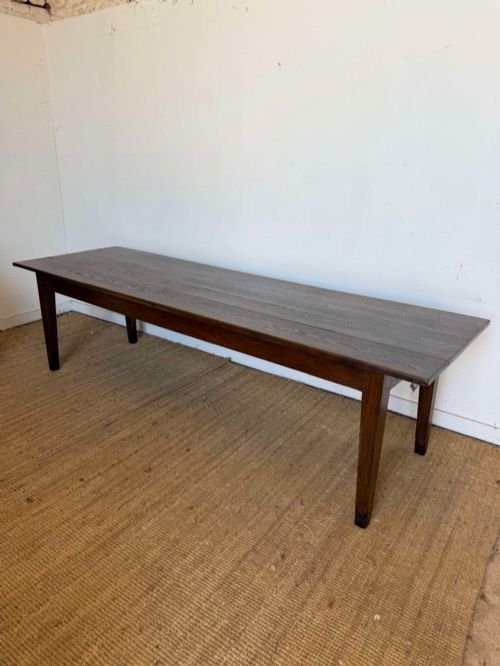
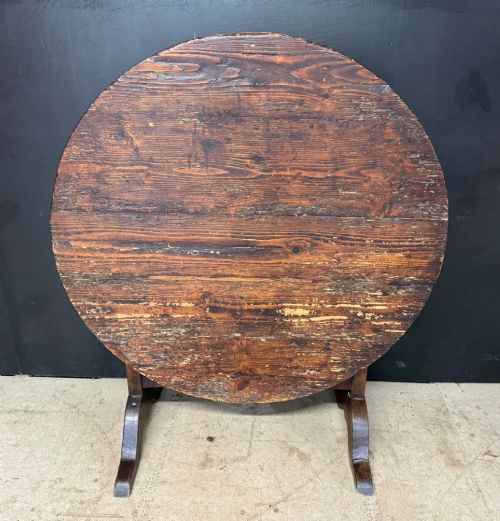
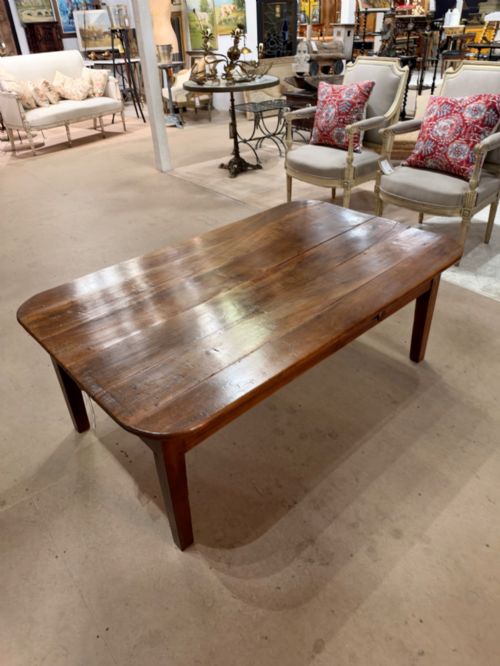
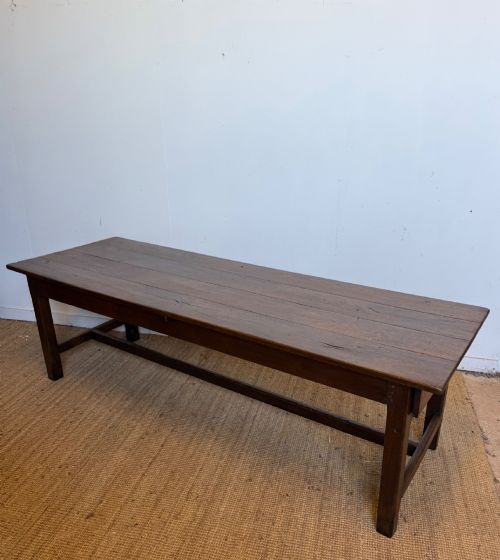
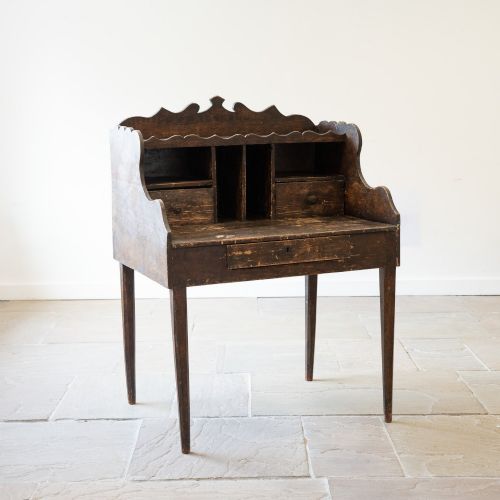
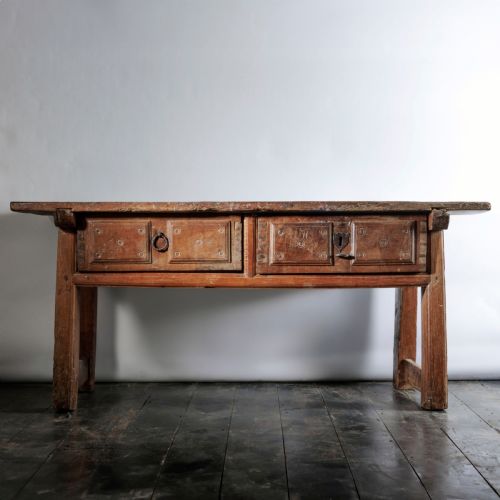
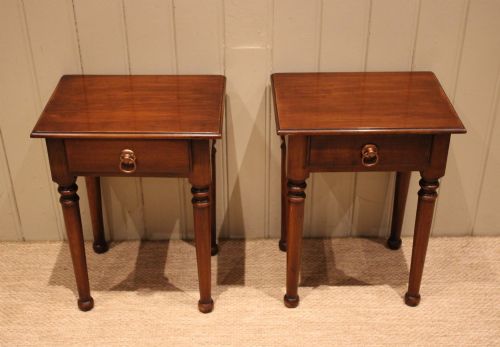
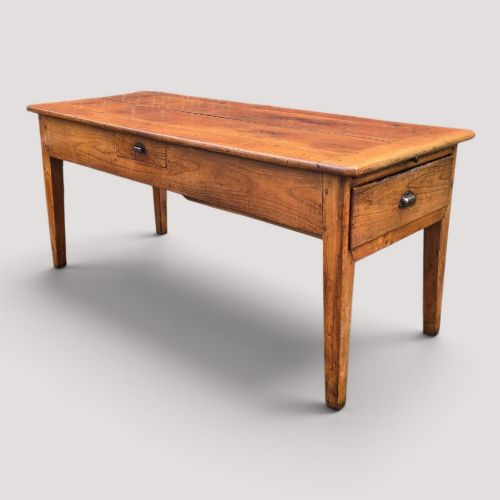
These provincial wood table examples bring honest utility and regional character into a room through vernacular forms and regional timber.
Provincial Wood Table
A provincial wood table encompasses vernacular domestic furniture created outside major urban centres for practical rural living. Buyers seek these forms for their unpretentious proportions and the honest wear recorded on their working surfaces.
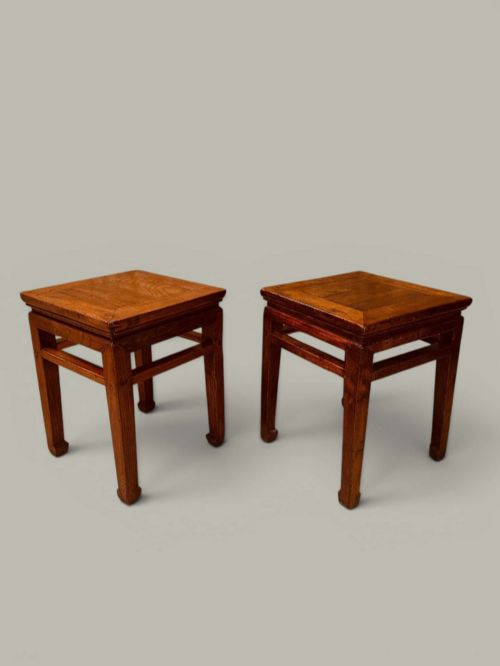
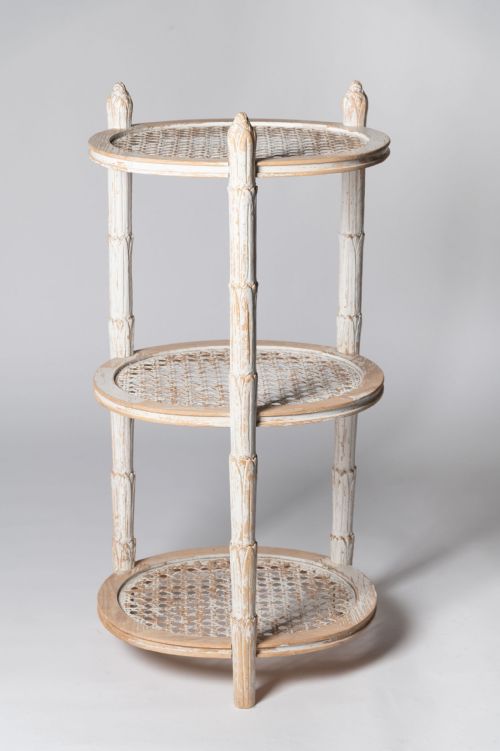
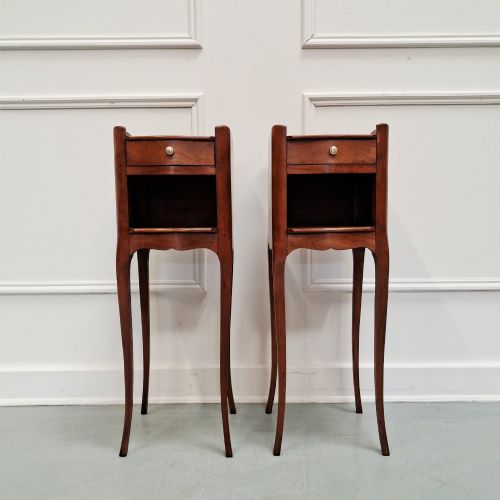
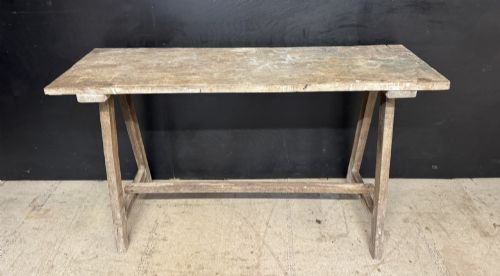
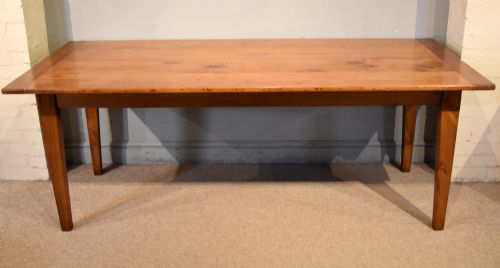
The selections available here lean heavily toward French regional pieces, ranging from substantial dining boards to smaller bedside chests and narrow console surfaces. Oak, cherry, and chestnut dominate the forms, reflecting the regional woodlands of their origin.
How provincial wood table pieces were made
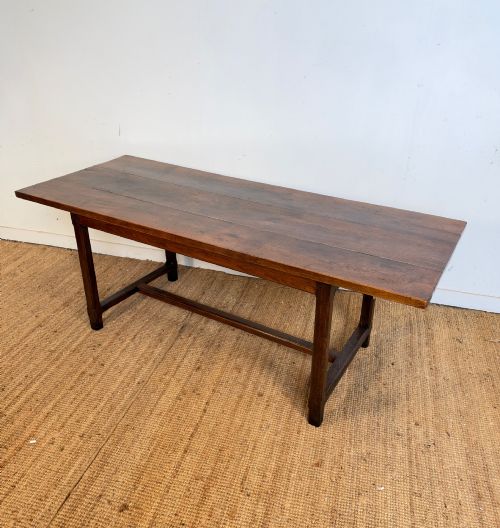
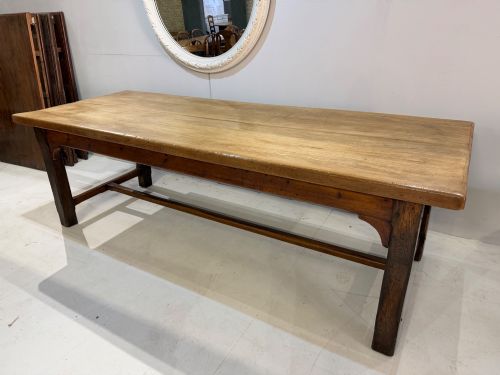
Joiners and rural carpenters built these tables using locally sourced timber, selecting fruitwoods like cherry and structural hardwoods such as oak and chestnut. Planks were joined simply, often utilising twin board or scrub top constructions designed for heavy domestic labour.
Surface treatments remained straightforward, relying on natural grain exposure, occasional floral inlay, or simple painted finishes. Hardware stayed functional, incorporating brass accents or single drawers where daily utility required.
Provincial Wood Table Retail Price Guide 2026
Typical asking prices for provincial wood table among the pieces listed under this phrase on Sellingantiques today, from the lower quarter to the upper quarter. They describe what is for sale here now, not the wider market.
Some tables retain their original gnarled legs, proving that even a humble kitchen block can develop a distinct personality.
What varies in quality
The integrity of the timber and the honesty of the surface wear determine the standing of each piece. Tables retaining their original gnarled legs and unplaned boards carry greater integrity than those with heavily restored tops.
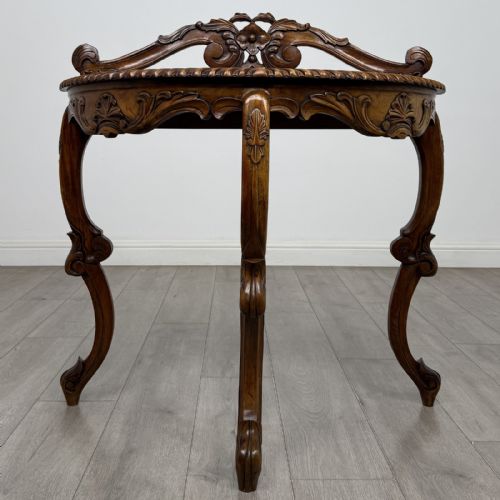
Regional detail also separates standard utility pieces from finer examples, such as those displaying carved oak motifs or delicate marquetry inlay. The balance between domestic robustness and refined regional styling dictates the character of the work.
The Provincial Wood Table Glossary
- Provincial
- Denoting furniture made in the regions rather than the capital, often displaying local traditions and materials. These pieces prioritize practical utility over formal courtly styles.
- Refectory
- A long narrow dining table traditionally used for communal meals in monastic or large domestic settings. In provincial pieces, this form translates into sturdy plank construction.
- Marquetry
- The art of applying pieces of veneer to a structure to form decorative patterns and pictorial designs. This technique appears on finer writing tables and decorative surfaces.
- Scrub top
- A plain wooden tabletop left unpolished to withstand daily scrubbing and food preparation. These surfaces record decades of domestic use.
- Chevet
- A small bedside table or cabinet designed for night storage. Pairs of these items frequently appear alongside larger bedroom furniture.
Provincial Wood Table: Frequently Asked Questions
How do I style a provincial wood table?
Living with these tables involves pairing their honest timber surfaces with simple interiors that let the grain and regional proportions stand out.
They function naturally as central dining surfaces or working consoles, where their historic utility complements contemporary or traditional rooms alike.
How do I date a provincial wood table?
Dating relies on examining the timber species, construction methods, and hardware choices relative to documented regional periods.
Eighteenth-century examples often display hand-sawn board widths and simple peg construction, while nineteenth-century pieces show slightly more regular milling.
What woods were used for provincial tables?
Local carpenters utilised whatever timber grew abundantly in their specific region, resulting in a wide variety of domestic woods.
Oak, cherry, chestnut, sycamore, and fruitwood appear frequently across these listings, each offering distinct grain patterns and weights.