

Provincial Refectory Dining Table
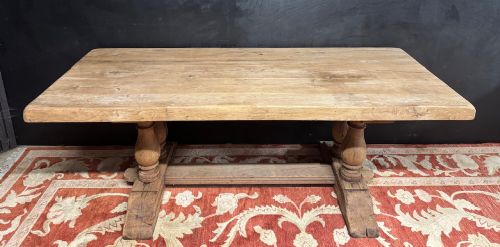
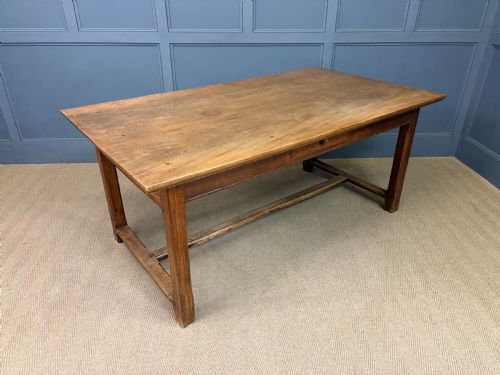
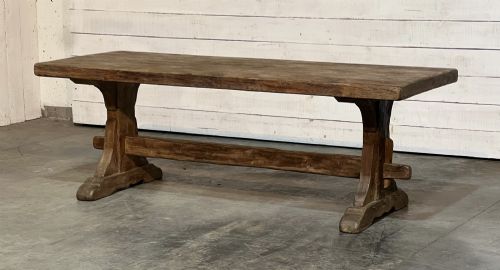
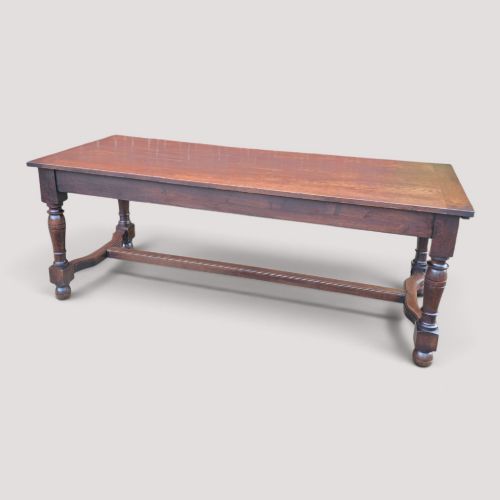
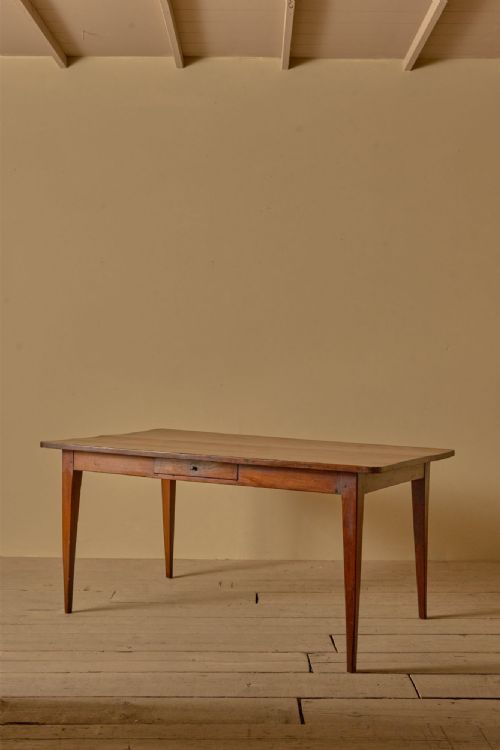
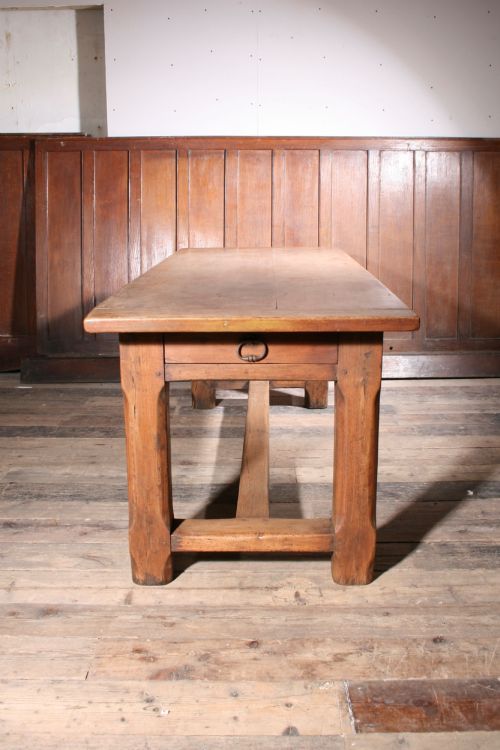
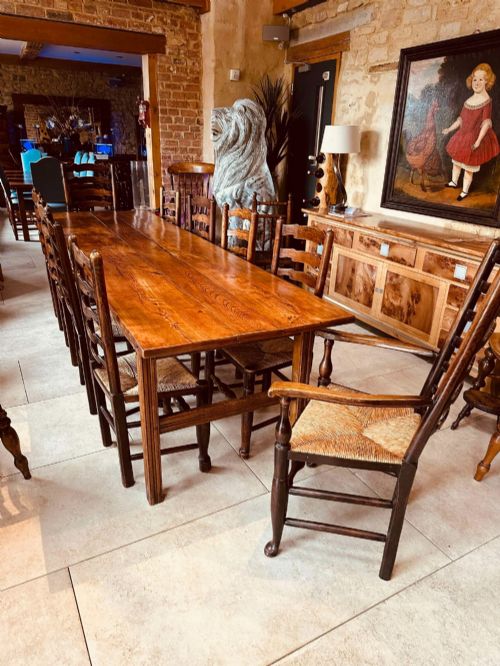
These heavy timbers and expansive planks of a provincial refectory dining table anchor a room with centuries of utility and warmth.
Provincial Refectory Dining Table
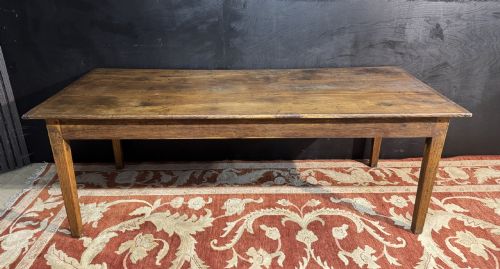
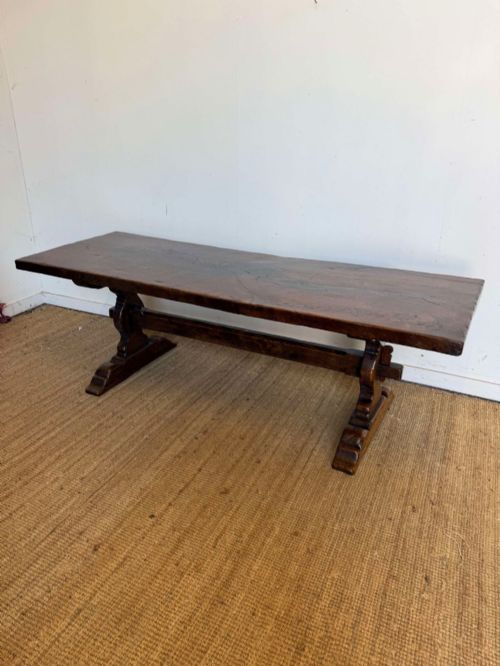
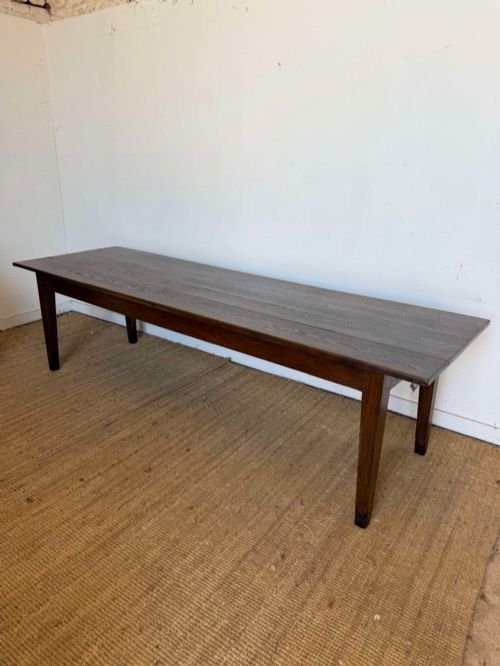
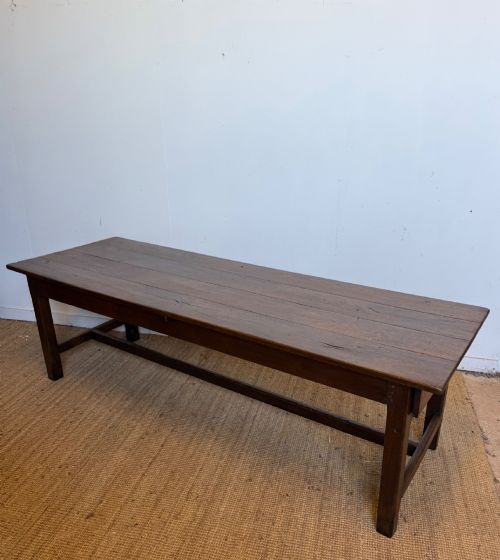
A provincial refectory dining table brings rustic utility into domestic spaces, serving as the central gathering place for communal meals. When searching for a provincial refectory dining table, buyers encounter substantial oak, fruitwood, and cherrywood surfaces designed for daily use.
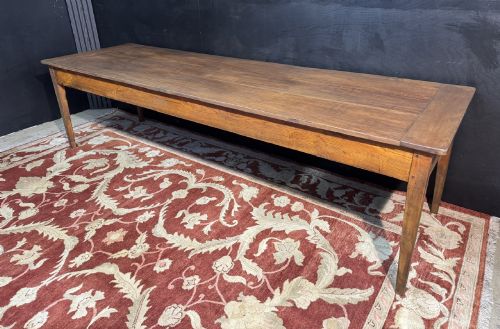
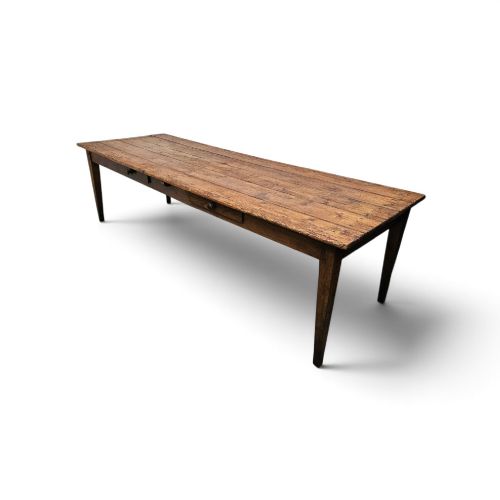
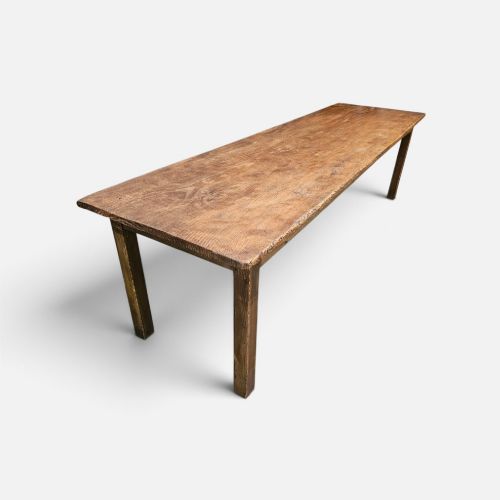
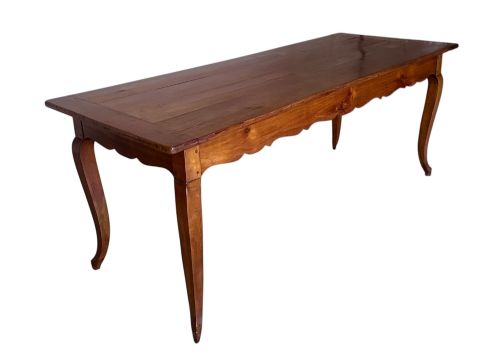
The pieces appearing here span the eighteenth, nineteenth, and early twentieth centuries, largely originating from French provincial regions like Normandy. Examples range from compact fruitwood tables measuring around two metres to massive nine-foot oak boards suitable for large halls.
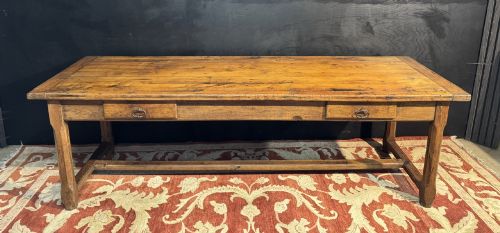
Makers shaped these surfaces to accommodate large families and gatherings, occasionally incorporating drawers or double-extending mechanisms for versatility. Styles draw heavily from French country, rustic farmhouse, and Louis XVI traditions, maintaining a practical and unpretentious character.
Materials and Construction
Carpenters relied on durable native hardwoods, predominantly oak, fruitwood, cherrywood, walnut, elm, and pine, selected for structural strength. Planks were joined to form expansive single or multi-board surfaces, sometimes spanning over three metres in length.
Iron fittings and subtle structural hardware support the heavy wooden frames, ensuring the stability required of large dining surfaces. Surfaces display the natural grain of the timber, shaped by hand tools and generations of daily friction.
Provincial Refectory Dining Table Retail Price Guide 2026
Typical asking prices for provincial refectory dining table among the pieces listed under this phrase on Sellingantiques today, from the lower quarter to the upper quarter. They describe what is for sale here now, not the wider market.
One remarkably honest nineteenth-century table retains the actual provenance of a French château, ready to continue hosting domestic arguments.
Distinctions in Quality
Quality rests in the integrity of the timber selection and the proportion of the structure, where single-board plank tops command particular regard. The density of the oak or the rich patination of older fruitwood and cherrywood indicate superior ageing and care.
Proportion and stance separate standard utility pieces from exceptional regional examples, particularly in how the legs and stretchers meet the top. Refined edge moulding and integrated drawers demonstrate the heightened skill of regional joiners.
The Provincial Refectory Dining Table Glossary
- Refectory table
- A long dining table traditionally used in monastic refectories for communal dining. These pieces feature long rectangular surfaces supported by sturdy timber legs and stretchers.
- Plank top
- A table top constructed from individual boards of timber joined lengthways. Single plank tops utilise one wide board across the entire width.
- Fruitwood
- An umbrella term for timber harvested from fruit-bearing trees such as cherry, pear, or apple. It offers a warm tone and fine grain utilised by regional cabinetmakers.
- Stretcher
- A horizontal wooden rail connecting the legs of a table to provide structural rigidity. They prevent the legs from splaying outward under heavy loads.
- Patina
- The surface sheen and colour developed by wood over decades of use, cleaning, and exposure to light. It serves as an indicator of age and handling.
Provincial Refectory Dining Table: Frequently Asked Questions
How do I clean a wooden farmhouse table?
Wipe surfaces down using a damp cloth and mild soap, avoiding harsh chemical cleaners that strip the historic finish. Regular waxing helps nourish dry timbers and preserves the natural patina.
Keep tables away from direct heat sources and extreme humidity fluctuations to prevent the heavy wooden planks from splitting or warping over time.
Can I use a refectory table daily?
These pieces were originally built for heavy daily use in kitchens and dining halls, making them exceptionally durable for modern households. Using placemats and coasters protects the historic timber from heat and moisture rings.
Embrace minor marks and scratches as part of the ongoing history of the piece, as earlier generations left their own stories in the grain.
What is the difference between oak and fruitwood?
Oak provides a coarse grain and immense structural strength, making it the preferred choice for heavy, long-lasting refectory frames. Fruitwoods like cherry and walnut offer a finer, smoother grain with warmer, red-brown tones.
Both materials weather differently, with oak often retaining a deeper, more pronounced texture while fruitwood develops a softer, satin-like surface.
How do I date an antique dining table?
Examine the underside and joints for tool marks, hand-cut pegs, and the method used to flatten the boards. Hand-planed surfaces and irregular board widths generally point to eighteenth or nineteenth-century construction.
Compare the style of the legs and stretcher placement against regional traditions, keeping in mind that hardware and finish can sometimes undergo later restoration.