





Provincial Kitchen Cabinet
A provincial kitchen cabinet brings honest utility and vernacular character to modern interiors, offering robust storage shaped by regional traditions.
Provincial Kitchen Cabinet
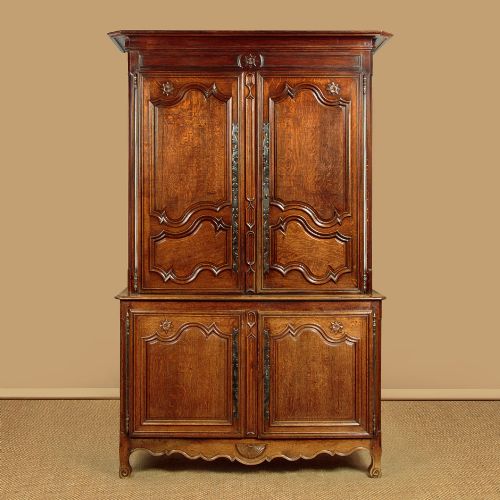
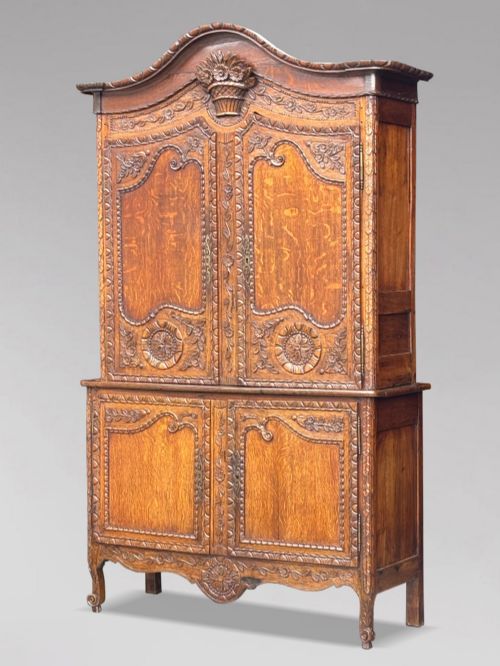
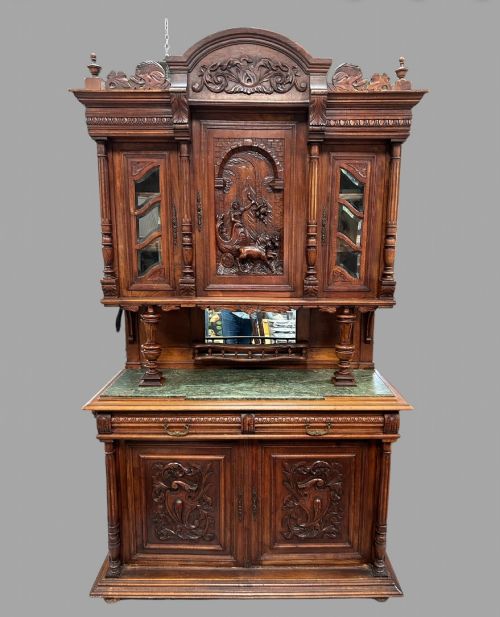
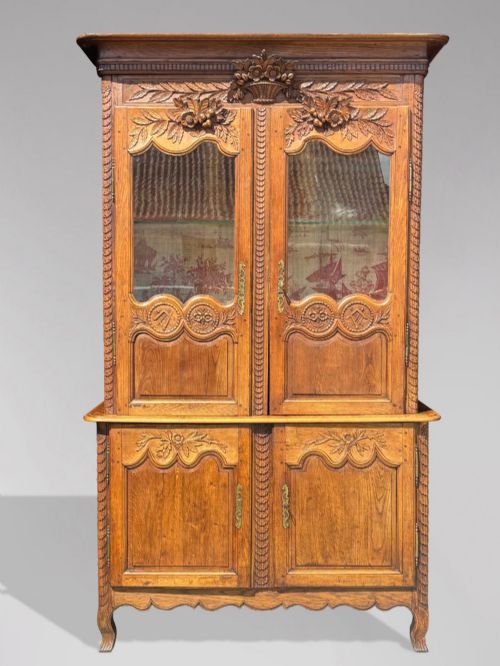
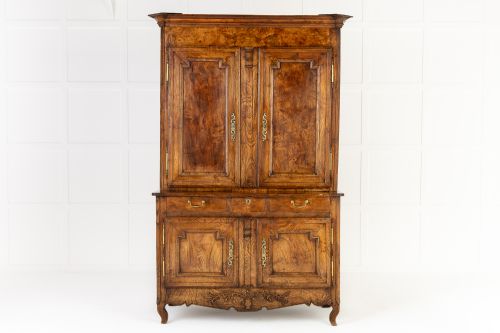
A provincial kitchen cabinet encompasses substantial storage forms like buffet deux corps, dressers, and food cupboards originating from rural workshops rather than metropolitan centres. Buyers seeking a provincial kitchen cabinet encounter pieces spanning the eighteenth and nineteenth centuries, constructed predominantly in regional timbers for daily domestic service.
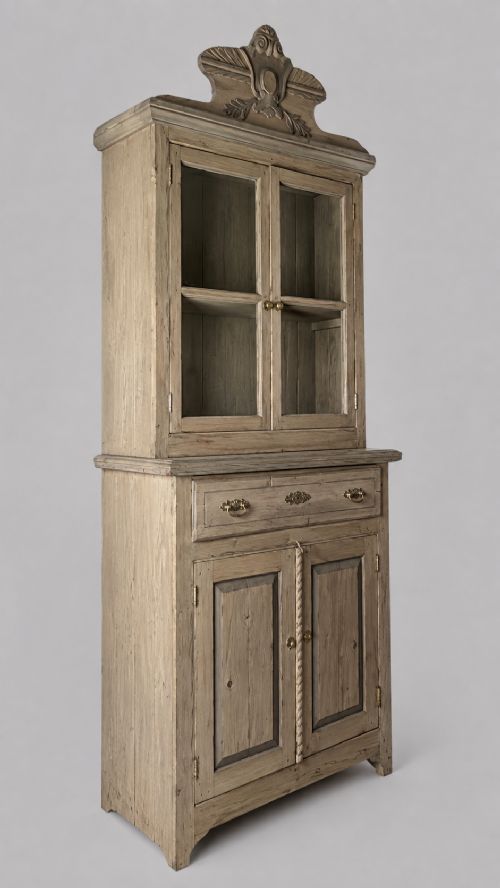
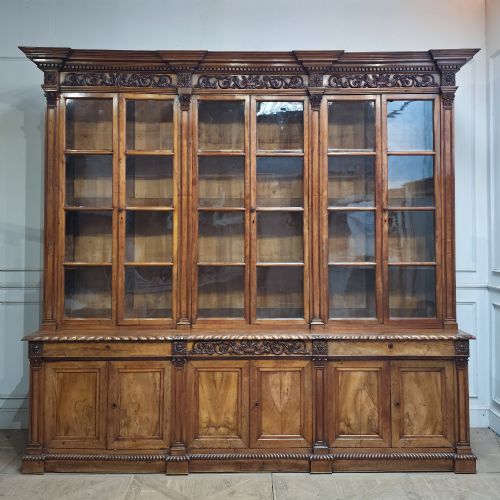
The selection ranges from tall oak housekeepers' cupboards and glazed bookcases to low sacristy cabinets and jam cupboards in pine, chestnut, and walnut. Regional variations stretch across French, English, and Scandinavian country traditions, displaying local moulding profiles and functional adaptations for storing provisions and crockery.
Materials and construction methods
Cabinetmakers utilised solid regional hardwoods such as oak, walnut, cherrywood, and fruitwood alongside softer pines and cedar, selecting timbers according to local availability. Construction relied on sturdy joinery, panelled doors, and pegged frames designed to withstand heavy domestic use in busy kitchens and pantries.
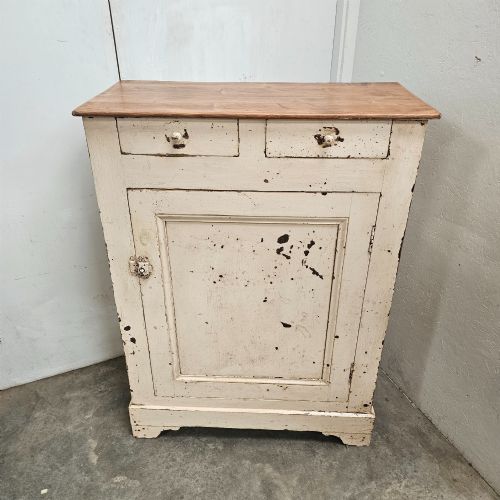
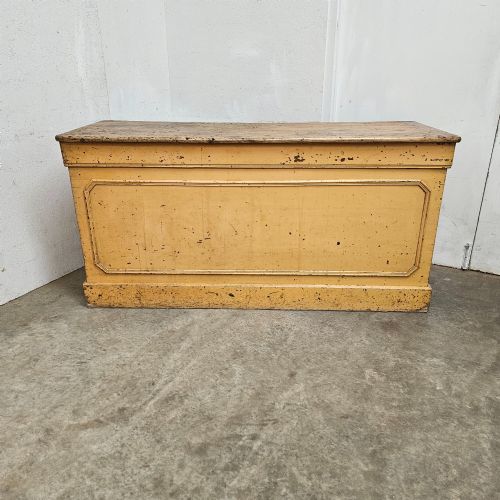
Surfaces often retain original paint, scraped finishes, or deep patination built up through generations of domestic polishing and wear. Functional hardware in iron and brass, including strap hinges and escutcheons, secures heavy doors and drawers built to last.
Provincial Kitchen Cabinet Retail Price Guide 2026
Typical asking prices for provincial kitchen cabinet among the pieces listed under this phrase on Sellingantiques today, from the lower quarter to the upper quarter. They describe what is for sale here now, not the wider market.
Bread safes often feature tiny turned spindles so the morning loaf could breathe without inviting the local cat to inspect the crust.
Assessing quality in regional furniture
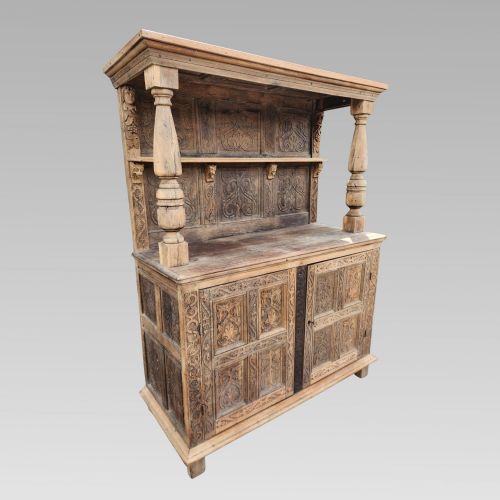
Quality rests upon the integrity of the timber selection and the retention of original surfaces, such as early paint layers or untreated patinated hardwood. Finer examples display crisper hand-carved panels, balanced proportions, and well-executed joinery that respects the structural demands of large two-part cupboards.
The degree of unaltered originality separates standard utility pieces from exceptional vernacular survivals, particularly where original brass or iron hardware and internal shelving remain intact. Proportion and regional character dictate desirability, with robust construction ensuring structural survival across centuries of practical service.
The Provincial Kitchen Cabinet Glossary
- Buffet deux corps
- A large two-part cupboard featuring a smaller upper section set upon a deeper base, typically used for storing provisions and displaying tableware in country houses.
- Panetiere
- A traditional ventilated bread safe designed to keep loaves fresh and protected from household pests, often featuring turned spindles or pierced panels.
- Vaisseleiere
- A regional open rack or dresser designed specifically for holding plates and dishes upright, frequently integrated into provincial dining arrangements.
- Confiturier
- A small cupboard traditionally used for storing jars of confit and preserves, representing the more compact scale of French provincial storage.
- Patina
- The deep surface sheen and mellow colour developed on wood through decades of handling, cleaning, and exposure to light.
Provincial Kitchen Cabinet: Frequently Asked Questions
Where were these cabinets placed originally?
These pieces served as the central storage units in farmhouses, rectories, and country dwellings, housing dry goods, linens, and everyday ceramics. Larger buffet units stood in kitchens or pantries for heavy provisions, while smaller jam cupboards and food safes sat close to prep areas.
Their robust utility meant they moved easily between domestic workspaces, dining rooms, and hallways as household needs shifted over generations.
How do I care for antique pine and oak?
Maintain timber moisture by placing cabinets away from direct heat sources and sudden temperature fluctuations that cause wood to split. Dust regularly with a dry cloth and apply a quality beeswax sparingly to nourish unsealed surfaces.
Avoid modern liquid polishes containing silicones, which degrade historic finishes and trap moisture in the grain.
What is the difference between a dresser and a buffet?
A dresser typically incorporates open shelving or a plate rack above a base of drawers and cupboards, designed for both storage and display. A buffet focuses entirely on enclosed cupboard space below a flat serving surface, sometimes surmounted by a second enclosed cabinet body.
Both forms served central roles in country kitchens, though buffets offered greater security for valuable provisions and tableware.