


Primitive Oak Stool
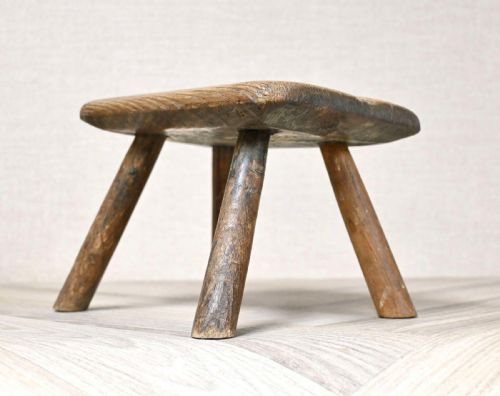
A primitive oak stool is a utilitarian seat of honest country craftsmanship, prized for its raw structural character and tactile, aged timber.
Primitive Oak Stool
When you search for a primitive oak stool, you encounter robust domestic and working seating shaped by rural makers with simple hand tools. These pieces span centuries of regional vernacular production, serving utilitarian purposes in farmhouses, cottages, and workshops.
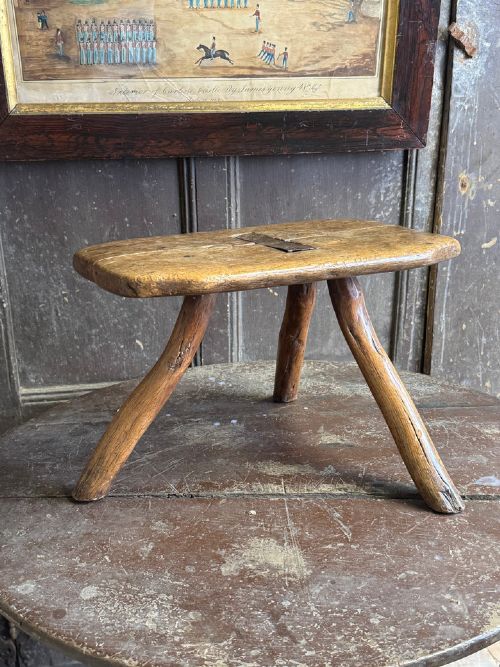
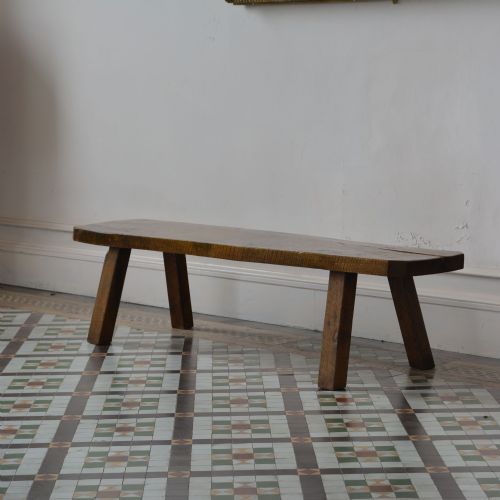
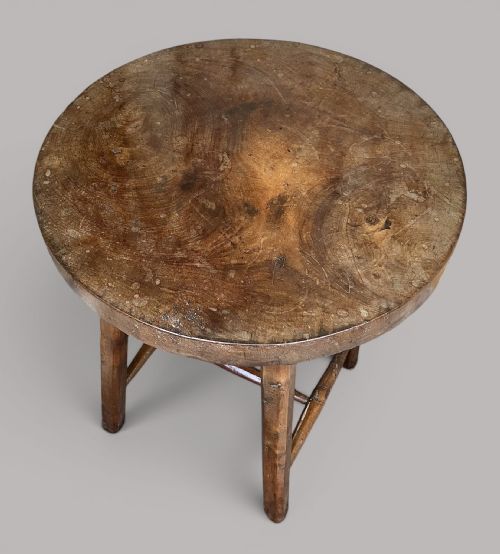
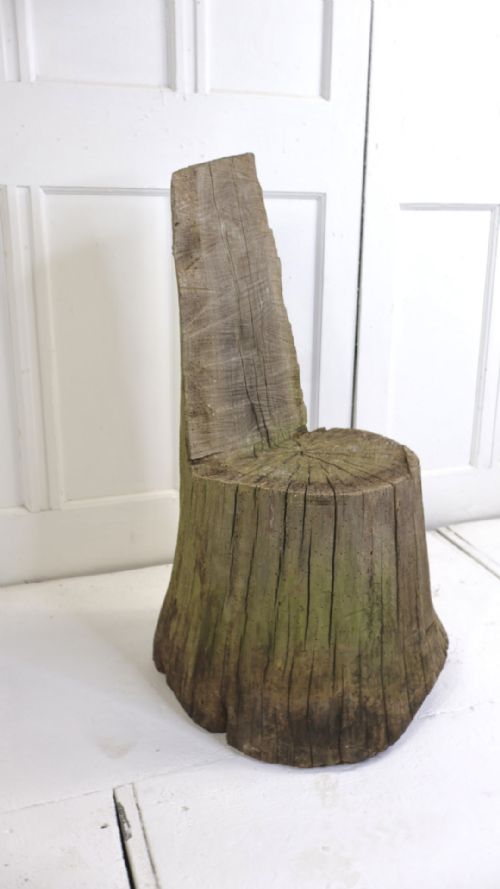
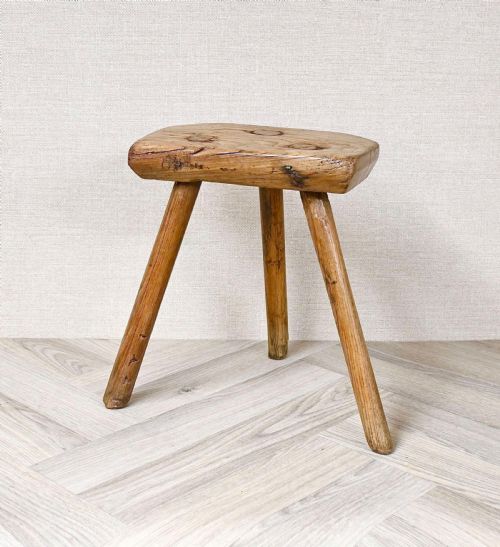
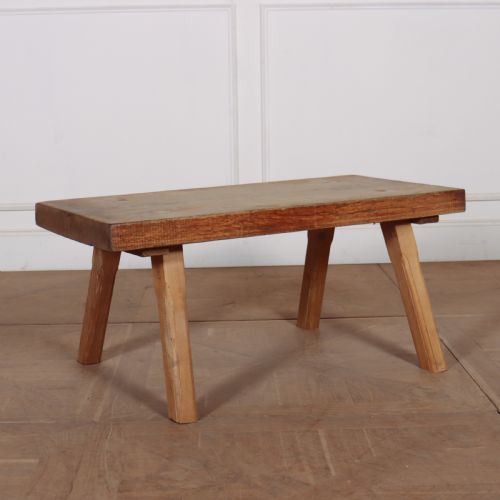
The selections on this page frequently include 18th-century and 19th-century examples featuring splayed legs, hedgerow timbers, and thick plank seats. Alongside traditional stools, the groupings encompass related rustic forms such as pig benches, milking stools, and chopping blocks.
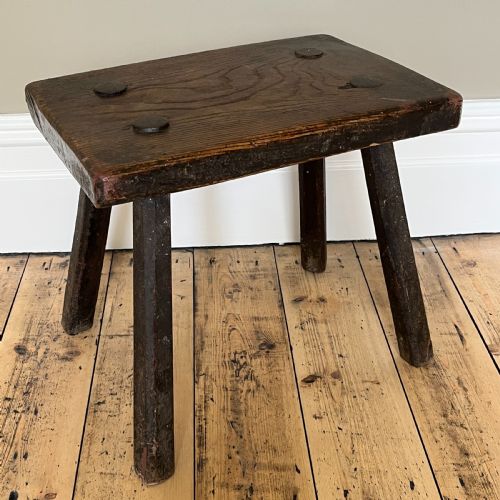
Makers utilised available local woods, leading to pieces constructed from solid oak, elm, and walnut. Each item displays the distinct marks of its working life, from blacksmith repairs to natural shrinkage cracks in the timber.
How they were made
Makers constructed these pieces using solid timber boards for seats, joined to legs through wedged tenons or simple through-mortises. Carpenters selected oak, elm, and other hardwoods for their density and strength, often retaining the natural curves of tree trunks and branches.
Structural reinforcement relied on iron blacksmith braces, pegged joints, and splayed legs designed to maintain stability on uneven flagstone floors. Surfaces show the straightforward finish of drawknives, adzes, and hand planes rather than fine cabinet shop sanding.
Listings feature oak alongside elm, hardwood, and solid walnut, with forms extending from 18th-century hearth stools to 19th-century game blocks.
What varies in quality
The distinction between ordinary and exceptional examples rests in the proportion, the integrity of the timber, and the honesty of the construction. Pieces with deeply sculpted seats, well-balanced splayed legs, and undisturbed surface patination stand apart from plain utilitarian forms.
Original blacksmith repairs and period surface wear contribute to the character of higher quality survivals, whereas unsympathetic modern interventions diminish historical value. The visual impact of a natural tree form or an unusual diminutive scale commands greater interest among collectors.
The Primitive Oak Stool Glossary
- Vernacular
- Everyday objects made by local tradesmen rather than professional city cabinetmakers. These pieces reflect regional traditions and the materials immediately available.
- Splayed legs
- Legs angled outward from the centre of the seat to provide greater stability on uneven floors. This technique is common in country seating.
- Pig bench
- A low, sturdy wooden bench historically used in agricultural settings for butchery or farm tasks. They share the robust construction methods of primitive stools.
- Patina
- The surface sheen and colour developed by wood and iron over decades of handling, cleaning, and exposure to light. It serves as an indicator of age and continuous use.
- Hedgerow timber
- Wood sourced directly from local field boundaries and hedgerows rather than commercial timber merchants. This results in natural, irregular forms.
Primitive Oak Stool: Frequently Asked Questions
How do I date an old oak stool?
Dating relies on observing tool marks, construction methods, and the natural wear of the timber. Hand-cut pegs, adze marks on the underside of seats, and iron blacksmith repairs point toward earlier periods.
Changes in timber shrinkage and surface patina also help distinguish 18th-century examples from later 19th-century workshop pieces. Comparing the joinery style to dated examples provides a reliable guide.
Are these stools strong enough to sit on?
Most surviving primitive stools remain structurally sound and capable of supporting weight. The dense hardwoods used in their construction ensure long-term durability.
It is wise to check the joints and any iron blacksmith repairs before regular use. Many owners utilise them as occasional seats or low side tables to minimise heavy wear.
How should I clean primitive wood?
Dust the surface regularly with a dry, soft cloth to prevent dirt accumulation. Avoid modern chemical polishes that can soften or damage the historic surface sheen.
Applying a light coat of traditional beeswax helps nourish dry timber and preserve the patina. Keep the stool away from direct heat sources and sudden humidity changes.