

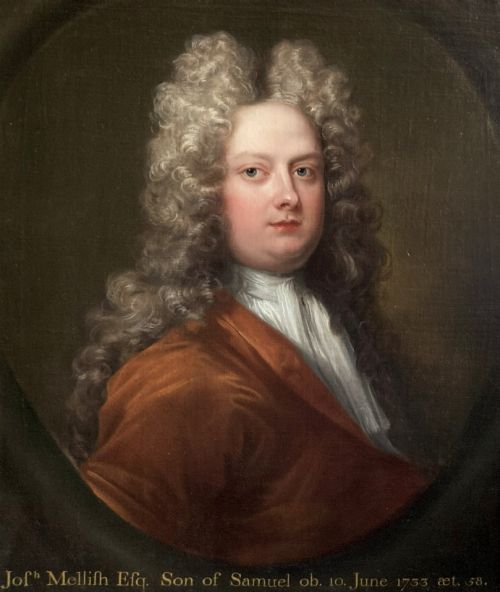

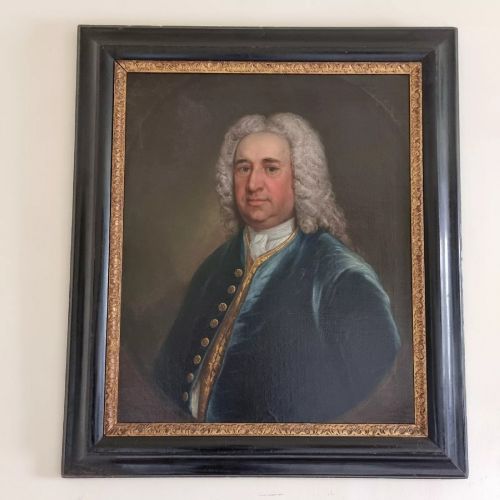


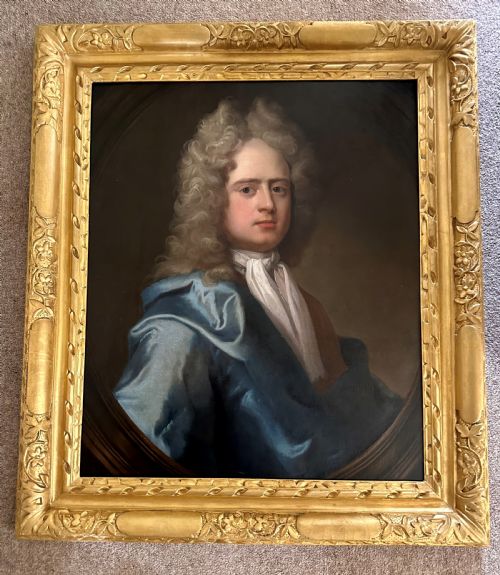


Powdered Wig Gentleman Painting
A powdered wig gentleman painting brings the distinct elegance and presence of Georgian portraiture directly into a room.
Powdered Wig Gentleman Painting
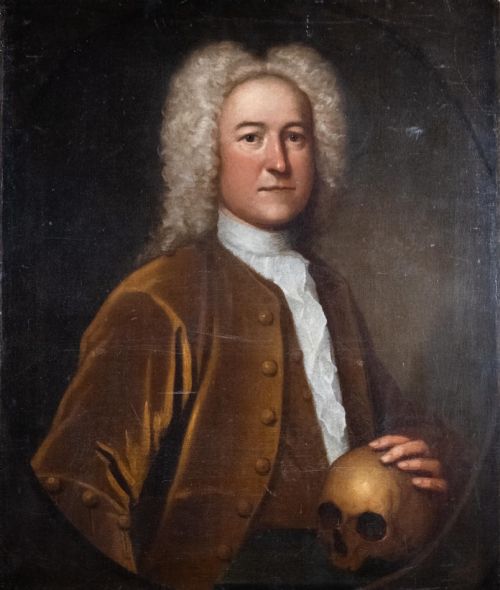
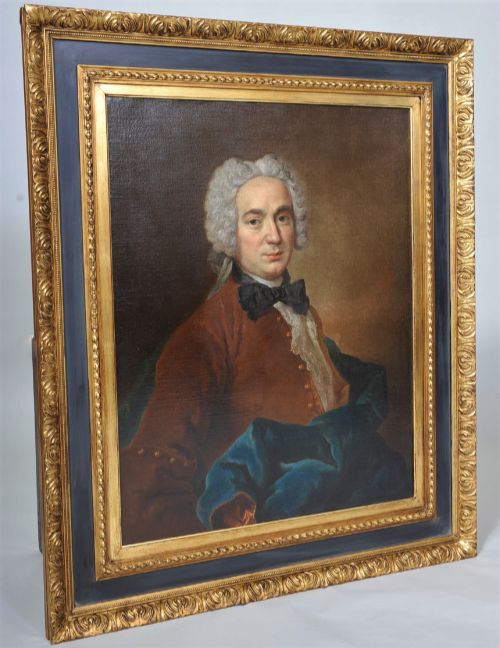
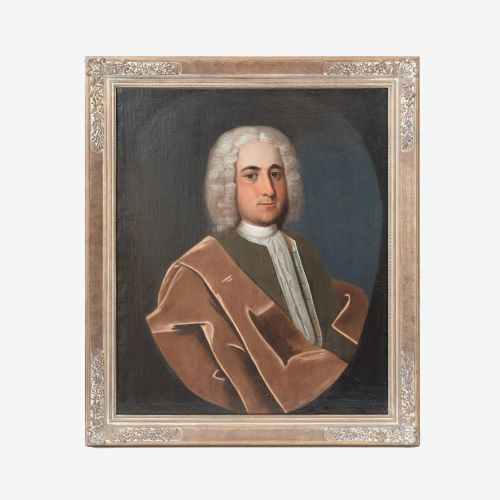
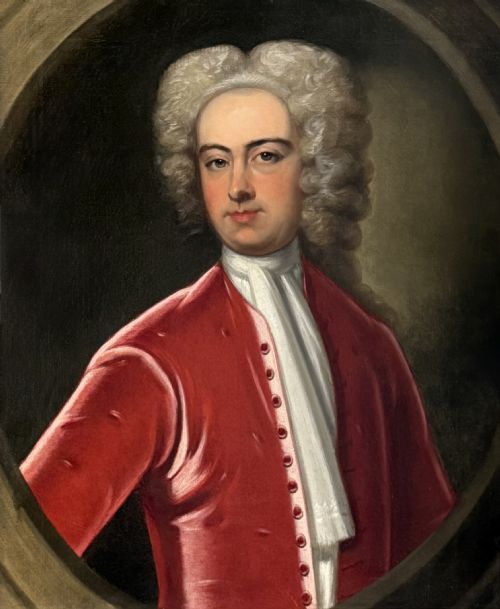
A powdered wig gentleman painting captures elite male sitters primarily from the eighteenth century, ranging from intimate enamel portrait miniatures to large oil paintings on canvas. These works document the formal attire, wigs, and expressions of figures from the Georgian period and early seventeen hundreds.
Buyers will encounter various formats on this page, dominated by oil on canvas portraits executed in British and French traditions. Many examples depict named or historically recorded gentlemen, while others remain anonymous works attributed to period schools or circles of known artists.
Markers of distinction
Quality in a powdered wig gentleman painting rests heavily upon the anatomical precision of the hands and face, as well as the artist's ability to render the intricate folds of crimson coats and lace cravats. Superior canvases demonstrate confident brushwork that brings depth and psychological weight to the sitter's gaze.
The attribution to a documented hand or specific artistic circle elevates certain works above anonymous school pieces, while the survival of original inscribed stretchers or detailed provenance adds historical authority to the portrait.
Powdered Wig Gentleman Painting Retail Price Guide 2026
Typical asking prices for powdered wig gentleman painting among the pieces listed under this phrase on Sellingantiques today, from the lower quarter to the upper quarter. They describe what is for sale here now, not the wider market.
Listings feature works spanning the Georgian era and the early eighteenth century, created using oil on canvas and giltwood materials.
Charles Jervas·Joseph Highmore·Michael Dahl·Thomas Hudson·Andrea Soldi
The Powdered Wig Gentleman Painting Glossary
- Oil on canvas
- A traditional painting medium where pigmented oil is suspended and applied across a woven fabric support. This combination allows for subtle blending and long-lasting colour depth.
- Giltwood
- Wood that has been decorated with a thin layer of gold leaf. It forms the ornate framing often found surrounding period portraits.
- Portrait miniature
- A small-scale painting designed for intimate viewing or personal carriage. These delicate works frequently utilise enamel or specialised pigments on small surfaces.
- Attributed to
- A designation used when a painting shows the distinct style of a known master but lacks definitive signature or documentation confirming the exact hand.
Powdered Wig Gentleman Painting: Frequently Asked Questions
How should I hang an 18th-century portrait?
These works require placement away from direct sunlight and excessive humidity to protect the oil paint and canvas. Stable interior wall conditions ensure the historical pigments and wooden stretches remain preserved.
Pairing the darker tones of early portraits with appropriate period lighting enhances the depth of the canvas. Consideration of wall weight is also important when supporting heavy giltwood frames.
Are these paintings signed by the artist?
Signatures on works from this era are relatively uncommon and often appear only faintly on the reverse of the canvas or within inscriptions. Many period pieces rely on stylistic attribution rather than a direct signature.
Documentation on the reverse, such as historical labels or ink inscriptions, frequently provides the primary evidence for identifying the sitter or the painter.
What is the difference between school and attributed works?
A work attributed to an artist suggests strong stylistic similarities to a known master's verified output. This label indicates a high probability that the piece originated from their studio or close circle.
Pieces designated simply by school reflect the broader artistic conventions and regional techniques of a period rather than linking directly to an individual painter.
How do I care for an oil painting on canvas?
Routine maintenance involves gentle dusting with a soft, dry brush to prevent particulate buildup on the paint surface. Avoid using liquid cleaners or chemical solvents on aged oil paint and canvas.
Professional conservation should be consulted if tears, flaking paint, or canvas sagging occur over time. Maintaining stable room temperatures prevents the wooden stretcher frames from warping.