

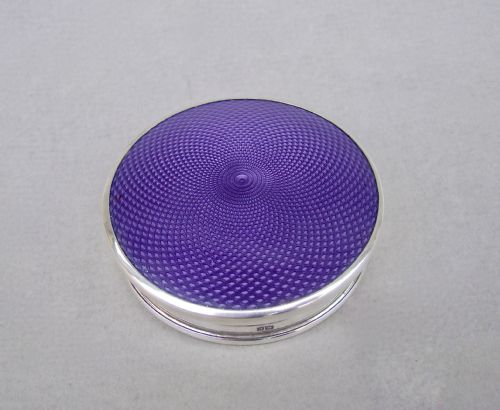


Powder Compact Box
A powder compact box is a portable dressing table essential, combining fine metalwork and enamel to hold pressed or loose face powder.
Powder Compact Box
A powder compact box brings together personal grooming and portable art, often doubling as a vanity case or trinket box. When exploring powder compact box listings, you encounter varied forms from vanity cases to combination compacts and rouge pots. These small containers served generations of women who needed to refresh their appearance away from the dressing table.
The pieces appearing most frequently on this page date from the 1920s and 1930s, reflecting the geometric lines and vibrant ornamentation of the Art Deco style. Alongside these are earlier Edwardian examples and mid-century Italian designs. Makers utilised precious and industrial metals to create pocket-sized objects that remain tactile and collectible.
Materials and construction methods
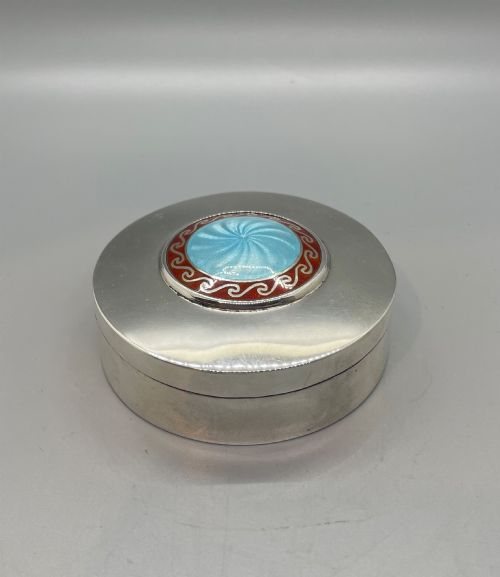
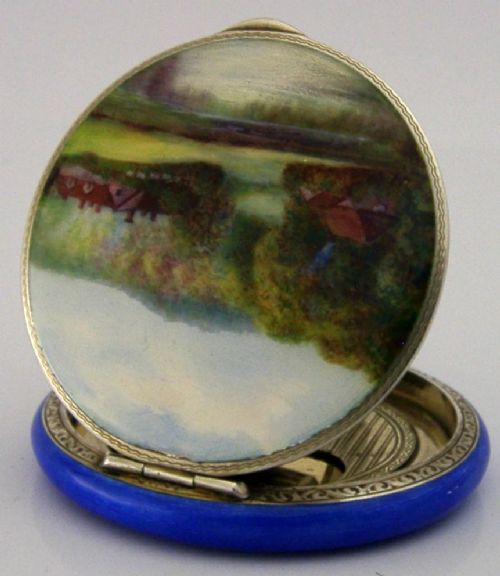
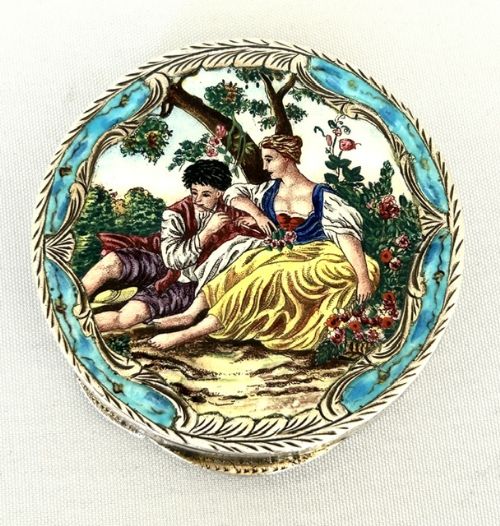
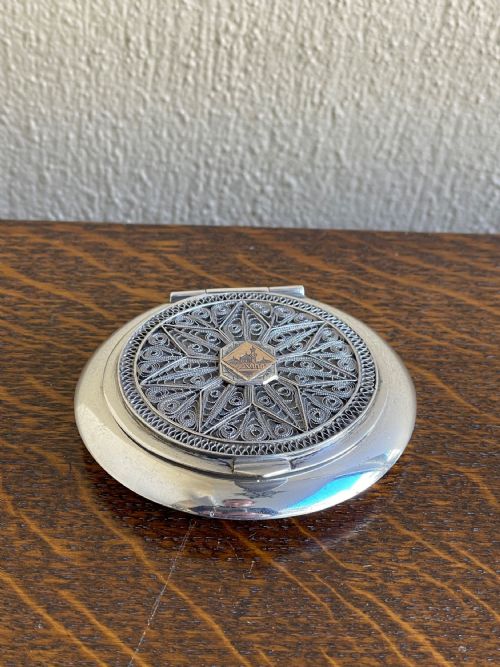
Silversmiths and manufacturers shaped sterling silver, 800 silver, gold, chrome, and base metal into hinged boxes, applying engine turning and cast decoration to the exterior surfaces. Many lids feature guilloche enamel, where geometric patterns are machine-engraved into metal beneath translucent coloured glass enamel. Hand-painted miniature scenes, filigree wirework, and mesh construction add further textural variety to the metal bases.
Makers also incorporated alternative materials such as celluloid, Bakelite, and glass, as seen in pieces by René Lalique. Interiors often contained mirrors, powder sifters, and suede linings, sometimes accompanied by matching lipsticks or paired with accessories. The combination of structural metalwork and delicate surface decoration defines the construction of these vanity items.
A few clever compacts secretly doubled as cigarette cases, holding a smoke right alongside the face powder.
Evaluating craftsmanship and condition
The distinction between standard production items and exceptional pieces lies in the precision of the metalwork and the complexity of the surface decoration. Hand-painted scenic enamels and intricate guilloche patterns executed by known makers represent the upper tier of design. The crispness of engine-turned engraving and the weight of the silver or gold chassis indicate the original cost and ambition of the piece.
Preservation of the fragile enamel and the original interior fittings dictates the standing of an individual item within its type. Intact glass mirrors, unblemished enamel without chips, and securely closing hinges elevate a compact box. Signed pieces by established jewellers and luxury houses demonstrate superior finishing throughout.
Henry Matthews·The Daniel Manufacturing Co·Elkington & Co·Giuliano Spinelli·Van Cleef & Arpels·René Lalique·Richard Hudnut·Cartier London·Houbigant
The Powder Compact Box Glossary
- Guilloche enamel
- A decorative technique where a precise geometric pattern is mechanically engraved into metal and covered with translucent enamel. This process allows the engraved texture to show through the coloured glass layer.
- Engine turned
- A method of mechanical decoration that etches intricate geometric patterns into metal surfaces using a specialised lathe. It provides a precise, repeating texture across compact lids and bases.
- Filigree
- Ornamental work consisting of fine wire, usually of silver or gold, soldered together in delicate openwork patterns. Persian and other regional compacts frequently employ this technique on their lids.
- Celluloid
- An early thermoplastic material used in manufacturing vanity cases and compacts during the early twentieth century. It offered a versatile surface that could imitate tortoiseshell or ivory.
- Combination compact
- A multi-functional vanity accessory designed to hold loose powder alongside other items such as rouge, lipsticks, or pills. These pieces illustrate the ingenuity of mid-century accessory design.
Powder Compact Box: Frequently Asked Questions
How do I date a compact box?
Dating relies heavily on hallmarks, maker marks, and stylistic indicators such as Art Deco geometry or Edwardian floral motifs. Silver pieces often carry assay office marks and date letters that pinpoint the exact year of manufacture.
Materials like Bakelite, celluloid, and chrome also point towards specific decades like the 1920s and 1930s when industrial plastics and alternative metals gained popularity.
What are combination compacts?
Combination compacts are multi-compartment vanity cases designed to hold several cosmetics at once, such as powder, rouge, and lipstick. Some versions also incorporated spaces for cigarettes or pills.
These versatile items reflect the fast-paced lifestyle of women during the 1920s and 1930s, offering an all-in-one solution for evening outings.
How were enamel designs applied?
Enamel was applied by fusing powdered glass to metal surfaces under high heat, often over an engine-turned background. Artisans sometimes added hand-painted miniature scenes or delicate filigree frames to the lid.
This technique created vibrant, glossy surfaces that resisted wear while providing a canvas for intricate artistic expression.