



Potboard Kitchen Table
A potboard kitchen table brings the utility of centuries past into a modern interior, offering a sturdy workspace with a low shelf for storage.
Potboard Kitchen Table
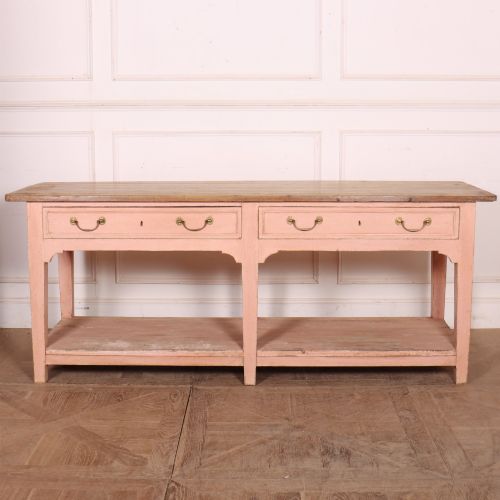
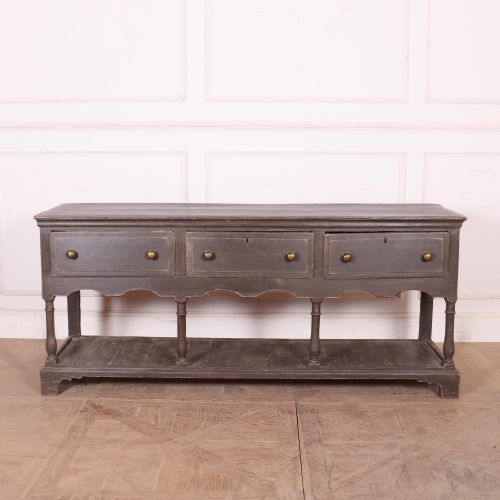
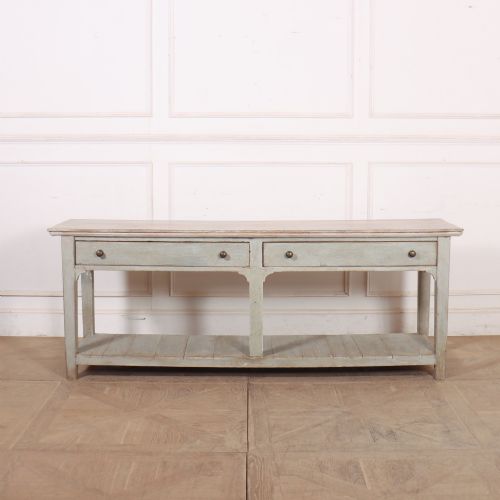
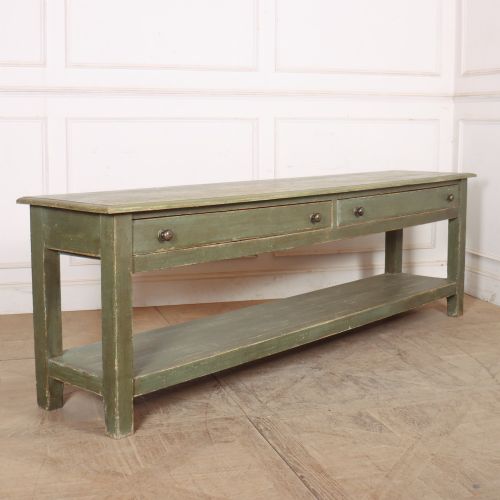
A potboard kitchen table or related dresser base combines a heavy timber top with a low potboard shelf running near the floor, a form seen across English, Welsh, Scottish, and French regional traditions. Buyers searching for a potboard kitchen table encounter pieces from the eighteenth and nineteenth centuries, spanning Georgian and rustic farmhouse styles.
Most examples on this page take the form of dresser bases, serving tables, and drapers tables rather than standard dining tables, though their timber surfaces serve similar functions. They appear in oak, pine, and painted wood, reflecting both formal country house workshops and everyday domestic vernacular making.
Materials and construction
Construction relies heavily on solid oak and pine, frequently shaped by hand tools into thick planks for the top and lower potboard shelf. Carpenters joined these substantial timbers using traditional pegged mortise and tenon joints to withstand heavy daily use.
Surfaces often show layers of early paint or a bleached finish, while some examples incorporate brass hardware or geometric carvings executed directly into the timber framework.
Current listings feature pieces spanning the eighteenth century through to eighteen-ninety, constructed from oak, pine, metal, and painted timber.
Assessing quality and character
Quality rests in the integrity of the original timber and the depth of surface patination accumulated over generations of domestic service. Pieces that retain their early painted finishes or deep-grained oak surfaces demonstrate superior historical preservation.
Proportion and scale distinguish finer regional workshop pieces, where narrower formats or sophisticated geometric carvings elevate a utilitarian form into a notable example of period cabinetmaking.
The Potboard Kitchen Table Glossary
- Potboard
- A low wooden shelf positioned near the floor between the legs of a table or dresser base, originally designed for storing heavy pots and pans. This defining lower deck anchors the entire piece visually and structurally.
- Dresser base
- The lower section of a kitchen dresser, featuring drawers and cupboards above the potboard without the upper plate rack. These sturdy items function independently as sideboards or serving tables.
- Drapers table
- A long, narrow table traditionally used in textile shops for measuring cloth, often featuring multiple drawers and a lower shelf. Their restrained proportions make them popular for modern kitchen use.
- George III period
- The era spanning the reign of King George III, noted for furniture that balanced classical proportions with robust regional construction. Pieces from this time display refined joinery alongside traditional farmhouse practicality.
Potboard Kitchen Table: Frequently Asked Questions
What is a potboard kitchen table?
A potboard kitchen table or dresser base is a heavy wooden furniture piece featuring a flat working surface above a low shelf near the floor. This lower board provided dry storage for cookware away from damp stone floors in older kitchens.
Today, these pieces function as kitchen islands, sideboards, or console tables, offering generous surface area and open storage beneath.
How do I date an antique potboard table?
Dating relies on examining the timber species, tool marks, joinery methods, and overall style of the piece. Eighteenth-century examples often feature heavy oak construction with hand-planed boards and pegged joints.
Nineteenth-century versions frequently employ pine, sometimes with painted finishes or machine-sawn elements, reflecting later regional workshop practices.
Where were potboard tables originally made?
These tables originate from various regional traditions across England, Wales, Scotland, and France. Country house workshops and local joiners built them using native timbers available in their immediate areas.
Regional differences appear in the choice of wood, such as oak in earlier English and Welsh pieces compared to bleached oak or painted timber in French drapers tables.
How do I care for a historic wooden table?
Care involves protecting the antique timber from excessive heat, direct sunlight, and sudden humidity changes that can cause wood to split. Regular dusting with a dry, soft cloth preserves the aged surface.
Applying a traditional beeswax polish occasionally helps nourish bare oak or pine without altering the historical patina.