




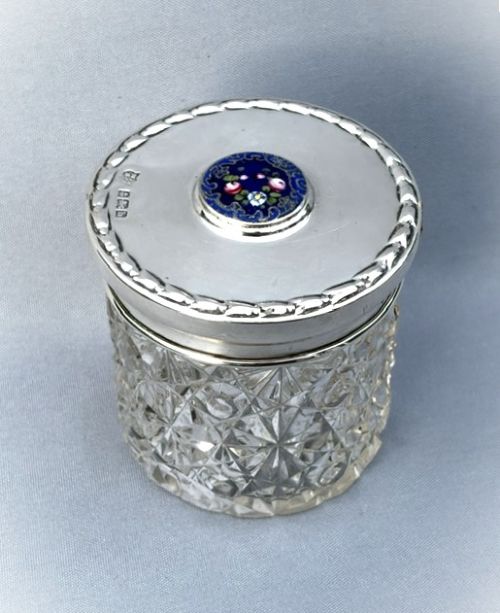
Pot Lids
Pot lids encompass diverse lidded vessels and covered pots spanning multiple centuries and materials.
Pot Lids
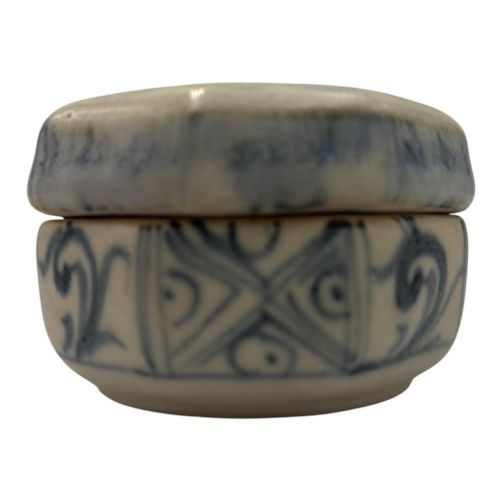
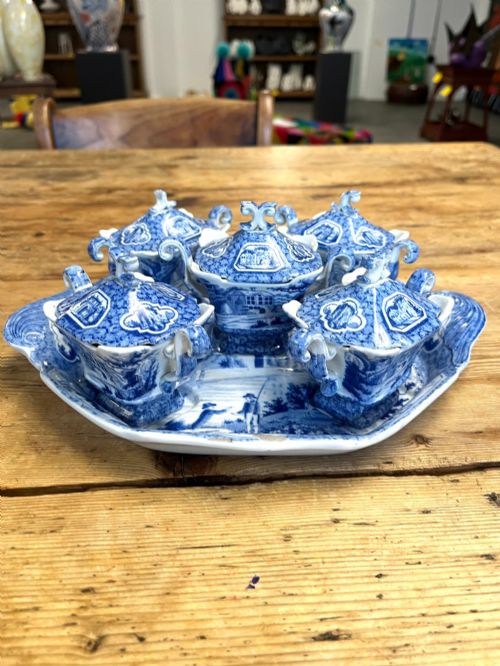
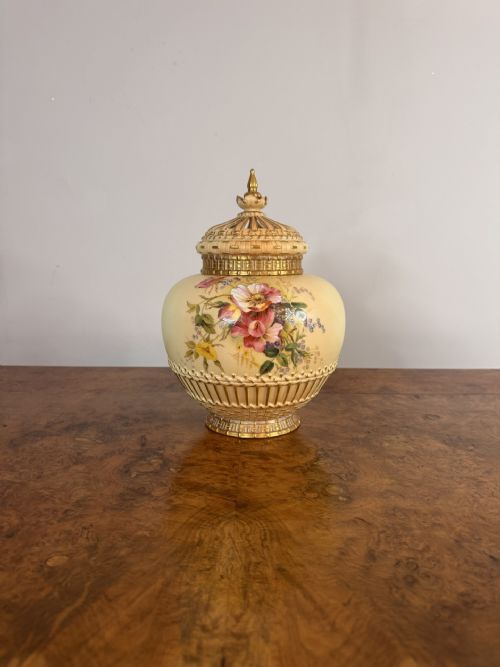
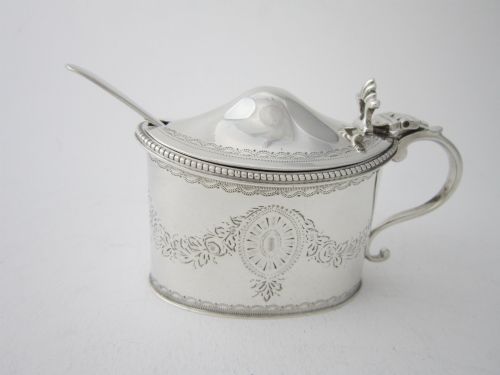
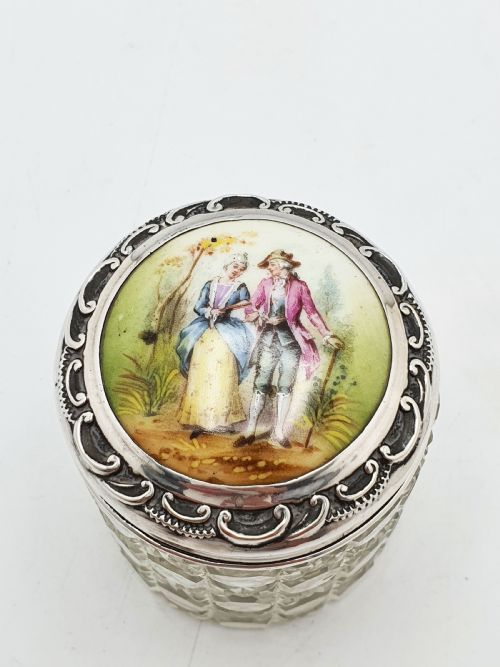
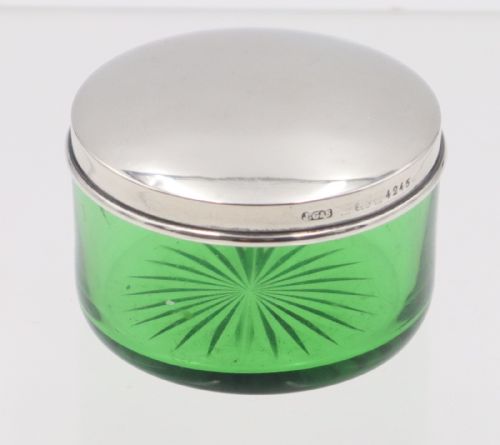
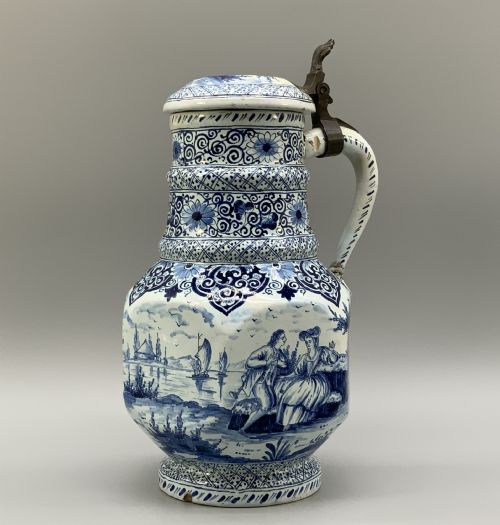
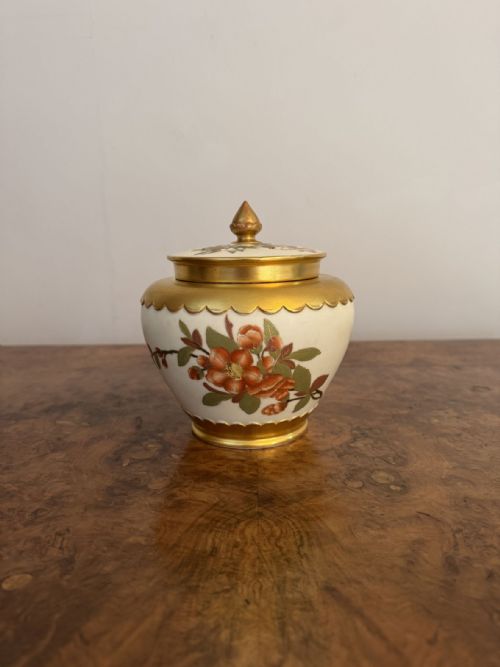
When searching for pot lids, collectors encounter an array of lidded containers, jars, and small vessels originating from various periods including the nineteenth century and the Edwardian era. These items span functional objects such as mustard pots, vanity jars, and tobacco jars alongside decorative pieces like Japanese cloisonne enamel ginger jars and Staffordshire Prattware items. The selection reflects diverse global traditions, incorporating English pottery, Japanese porcelain, and Dutch Delft alongside European metalwork.
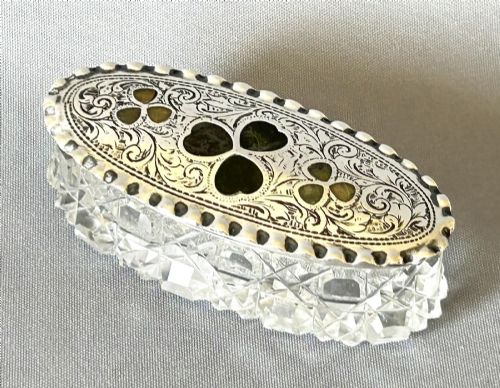
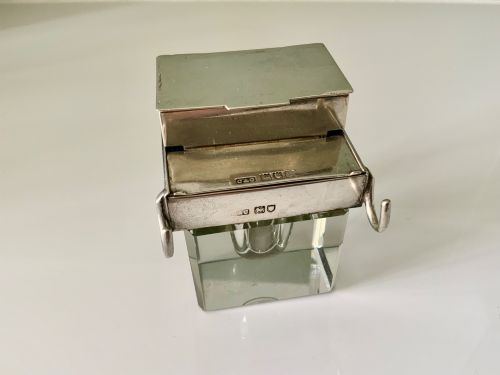
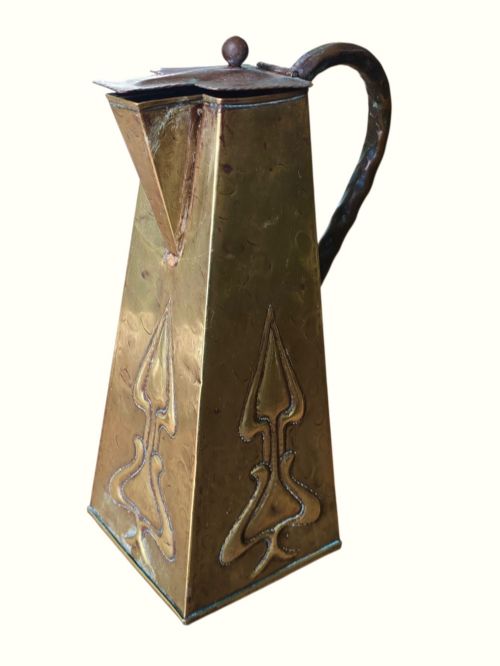
The most frequent examples on this page are nineteenth century and Edwardian pieces, particularly English ceramics and mounted glass or enamel trinket boxes. Buyers also find bronze censers, brass containers, and stoneware vessels fitted with hinged sterling silver collars or lids. Each form represents the domestic and decorative habits of its period, shifting from utilitarian storage to dressing table elegance.
Materials and Techniques
The objects combine ceramics, glass, and metals fashioned through established historical techniques. Porcelain and earthenware bodies undergo high temperature firing, often decorated with hand painted motifs, cobalt blue underglaze, or transfer printed scenes as seen in English Staffordshire production. Metal components utilise sterling silver, brass, copper, and bronze, shaped through casting, repousse work, and cloisonne wire insertion.
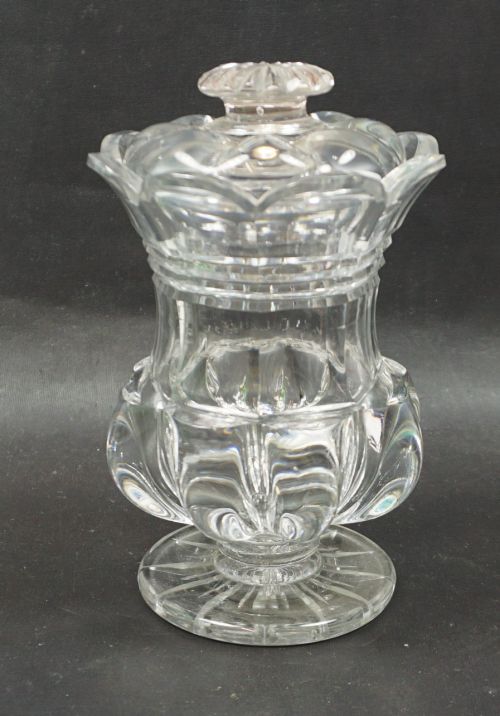
Glass elements feature satin, cut, and frosted treatments, frequently paired with fitted sterling silver mounts, enamel plaques, and pewter hinges. Treen items demonstrate precision woodturning, while Dutch and English Delft apply tin glazes over porous pottery bodies to achieve smooth white surfaces for subsequent pigment application.
Pot Lids Retail Price Guide 2026
Typical asking prices for pot lids among the pieces listed under this phrase on Sellingantiques today, from the lower quarter to the upper quarter. They describe what is for sale here now, not the wider market.
Prattware lids originally protected mundane household pastes, yet today they survive behind glass as miniature historical gallery frames.
Assessing Quality
Quality rests upon the execution of the decorative work and the precision of the fit between lid and vessel. Finer examples display meticulous hand painting, crisp relief casting on bronze and brass surfaces, and well proportioned metal mounts securely fixed to glass or ceramic bodies. Superior ceramic specimens exhibit even glaze distribution and clear transfer printing without blurring or misalignment.
The relationship between materials dictates overall refinement, such as the weight and purity of sterling silver collars matching the integrity of the underlying cut glass or stoneware. Masterful handling of cloisonne enamel work, delicate hand-painted porcelain plaques, and balanced form separate standard domestic wares from exceptional artistic output.
Royal Worcester·A. Bromet & Co·Charles & George Fox·Watts & Harton
The Pot Lids Glossary
- Prattware
- A type of nineteenth-century English earthenware known for multicoloured underglaze printing, frequently associated with framed pot lids and commemorative items.
- Cloisonne
- A decorative metalwork technique where thin wire partitions are soldered to a base and filled with enamel paste before firing.
- Censer
- A traditional incense burner featuring a tripod base and a pierced lid designed to release smoke.
- Posset
- A historical hot drink made of milk curdled with wine or ale, served from specialised spouted pots with lids.
- Sucrier
- A small lidded vessel specifically designed for holding sugar, commonly produced in porcelain during the eighteenth and nineteenth centuries.
Pot Lids: Frequently Asked Questions
What were pot lids used for?
Pot lids and their accompanying vessels served numerous domestic purposes across different centuries. They functioned as closures for shaving mugs, tobacco jars, mustard pots, and vanity containers on dressing tables.
Many examples also belonged to decorative ginger jars, potpourri pots, and sugar bowls, protecting contents from dust while adding aesthetic value to home interiors.
How do I date a lidded jar?
Dating relies on examining the material composition, manufacturing marks, and stylistic characteristics of the piece. Hallmarks on silver collars and mounts provide exact assay office years and maker ciphers.
Ceramic bodies, glaze types, and decorative motifs offer broader chronological markers that align with specific eras like the Victorian period or the Edwardian age.
Are these pots dishwasher safe?
Antique lidded jars and pots require careful hand washing without harsh detergents or prolonged soaking. Many pieces combine delicate materials such as glass, fragile porcelain, porous earthenware, and tarnishable silver or brass.
Submerging items with metal mounts, pewter hinges, or painted enamel can permanently damage the historic construction and surface decoration.
How should I display antique jars?
Displaying these items involves placing them on stable surfaces away from direct sunlight and extreme temperature fluctuations. Cabinets or shelves with adequate support protect delicate ceramic bodies and glass from accidental knocks.
Grouping items by material, such as collecting silver-mounted cut glass vanity jars together, highlights their craftsmanship and historical context.