


Post Impressionist Seascape Oil
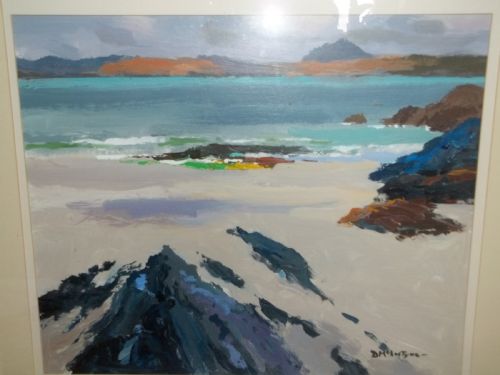
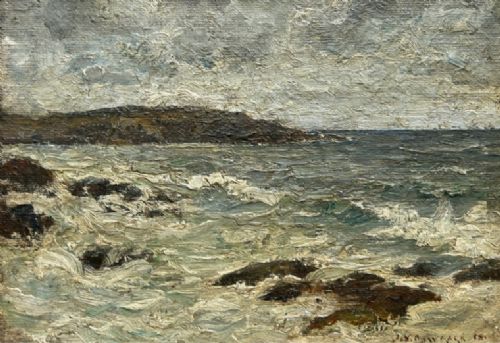
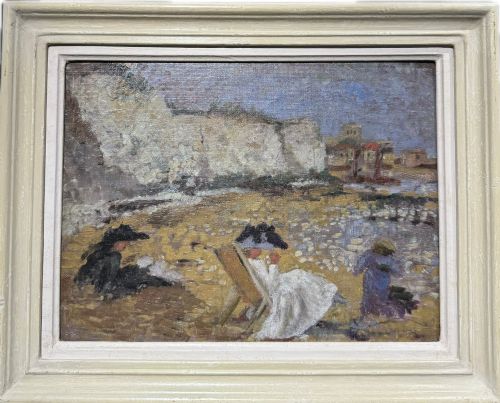
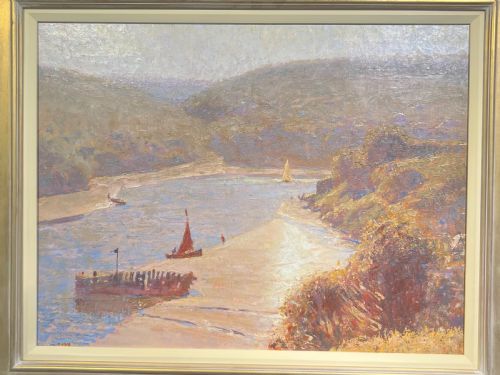
A post impressionist seascape oil captures the movement of coastal light and water through vigorous brushwork.
Post Impressionist Seascape Oil
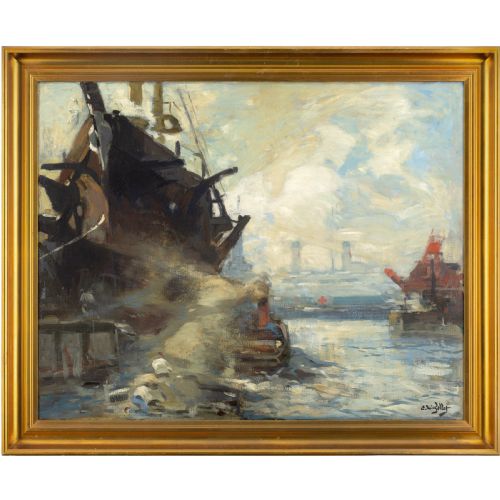
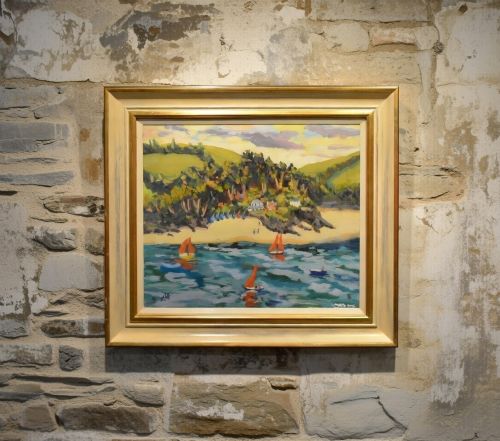
A post impressionist seascape oil brings together the energetic brushwork of the early twentieth century and subjects drawn from British and French coasts. When you search for a post impressionist seascape oil, you encounter harbour scenes, rocky shorelines, and quiet beaches from periods spanning 1900 to later than 1960. The most frequent examples on this page are oil on canvas paintings depicting locations such as Brittany, the French Riviera, and British fishing ports.
These works often reflect the influence of Impressionism while moving towards bolder application of pigment and expressive colour. Makers and artists documented here range from the St Ives School to French painters working around Marseille and the Gulf of Morbihan. The focus rests heavily on maritime views, jetties, and coastal shipping rendered with visible texture.
How these paintings were made
Artists built these coastal scenes using oil paint applied to canvas, wood panels, or stretched fabric, often layering pigments to create substantial impasto texture. The application of oil paint allows for thick, physical brush marks that define the churn of water and the solid weight of coastal rocks. Gilt framing frequently encloses these works, complementing the warm tones of the marine compositions.
The technique relies on capturing transient effects of light on sea and sky rather than smooth academic finish. Brushwork remains visible and expressive, prioritizing mood and atmosphere over strict topographical detail.
Listings feature oil on canvas and oil on panel works spanning periods from 1900 to later than 1960.
What varies in quality across these works
Quality in a post impressionist seascape oil rests upon the confidence of the brushwork and the artist's command of atmospheric light. Stronger pieces display a deliberate rhythm in the impasto and a balanced composition that anchors the movement of the sea.
Weaker examples can feel formulaic, lacking the energetic engagement with paint texture seen in works by listed artists such as Edward Seago or Donald McIntyre. The integration of colour to describe the shifts of coastal weather separates a compelling canvas from a routine harbour study.
Eugène-Louis Gillot·Lucy Pratt·Ethel Sands·Cecil Allan Mould·Louis Suire·Jean-Baptiste Olive·George Turland Goosey·Charles Malfroy·Edward Seago·Donald McIntyre·Hendrik Yan Wolter
The Post Impressionist Seascape Oil Glossary
- Impasto
- Paint applied thickly to a canvas, standing out in relief from the surface. This technique gives physical texture to the crashing waves and rugged cliffs in coastal scenes.
- Post-Impressionism
- An artistic movement developing roughly from the late nineteenth century onwards. Practitioners extended Impressionism while rejecting its limitations, focusing on expressive forms and heavier use of paint.
- St Ives School
- An association of artists living and working in Cornwall inspired by the coastal light and maritime environment. Their output forms a significant strand of British coastal painting.
- Oil on Canvas
- Pigments bound in a drying oil medium spread across a woven fabric support. This combination provides durability and a receptive surface for varied brush techniques.
Post Impressionist Seascape Oil: Frequently Asked Questions
Where were these coastal scenes painted?
The works originate from various coastal regions, notably British locations like St Ives, Polperro, and Pembrokeshire alongside French shores including Brittany, Marseille, and the Riviera.
Artists frequently travelled to active fishing ports and seaside towns to capture authentic maritime daily life.
How do I date a seascape painting?
Dating relies on stylistic markers, artist biographical records, and sometimes signatures or inscriptions left on the reverse of the canvas.
Works from the early decades of the twentieth century often favour a brighter palette influenced by French movements, while mid-century examples lean towards bolder abstraction.
How should I frame an oil painting?
Many pieces retain their period frames, such as gilt moulding which enhances the warm tones of the oil pigments.
When selecting a frame, ensure it allows the canvas to breathe and matches the historical period of the artwork.
What defines a post-impressionist marine view?
This style prioritises emotional response and tactile paint application over realistic photographic representation of water and sky.
Artists used non-naturalistic colour and visible brushstrokes to convey the raw energy of the sea.