





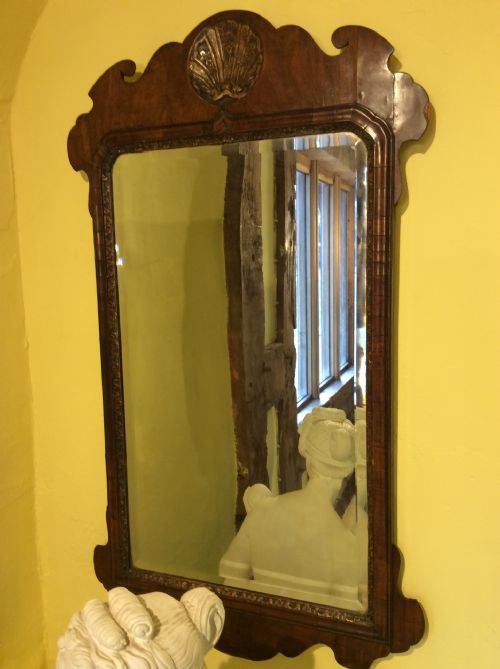

Portrait Wall Mirror
A portrait wall mirror brings vertical depth and reflected light to a room, offering a functional focal point shaped by centuries of changing design.
Portrait Wall Mirror
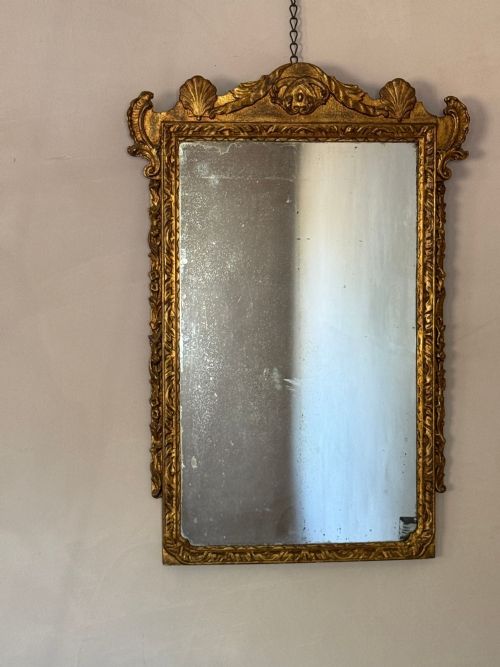
A portrait wall mirror is designed specifically for vertical hanging, drawing the eye upward and altering the perceived proportions of a room. When people search for a portrait wall mirror, they encounter pieces spanning from the seventeenth century through to the art deco period of the nineteen-thirties.
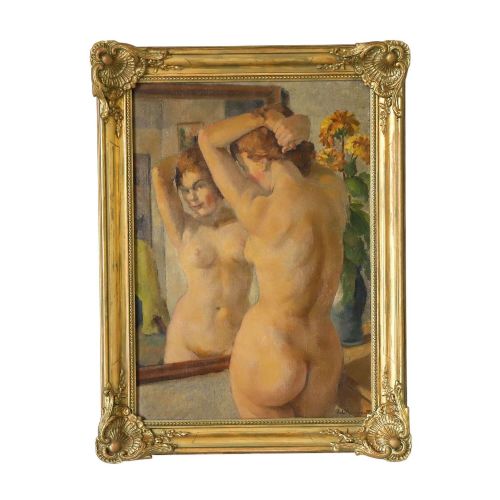
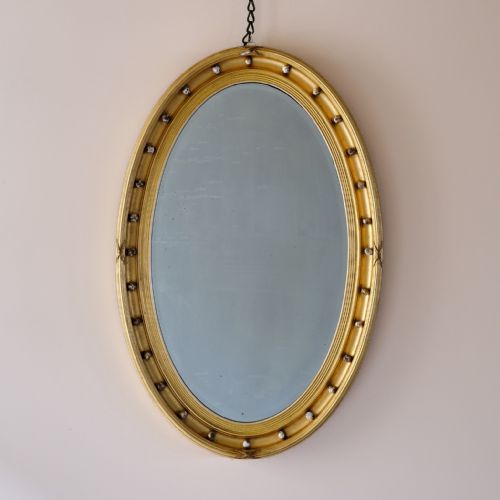
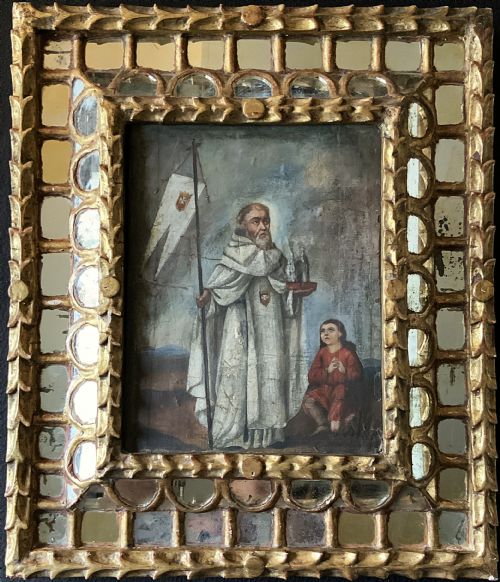
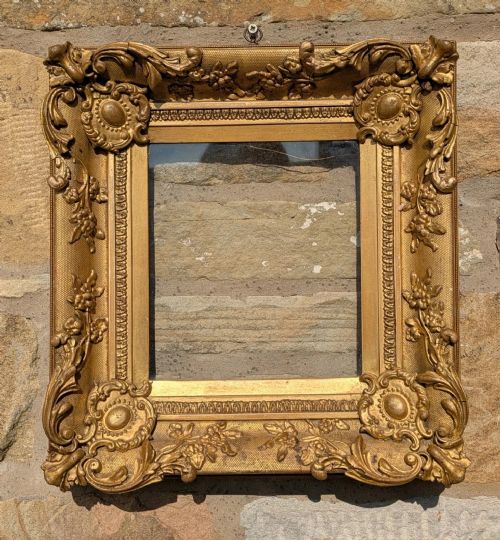
The selection includes pieces framed in carved walnut, giltwood, and gesso, alongside mirrors set within elaborate Victorian rococo revival or Georgian styles. Many examples rely on the inherent warmth of timber and the reflective quality of glass to anchor a wall scheme.
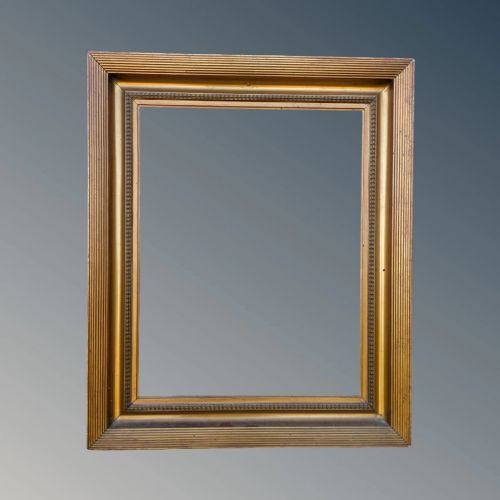
Victorian and twentieth-century interpretations dominate the available selection, ranging from simple rectangular wooden frames to ornate oval shapes. These vertical glasses function equally well in entrance halls, above mantelpieces, or as standalone decorative items.
Materials and Construction
Makers constructed these frames using solid hardwoods such as walnut and mahogany, often applying layers of gesso to build up intricate surface details. Giltwood and gold leaf were then applied over these prepared surfaces to create a luminous, reflective border that caught the ambient light.
Glass plates were bevelled or cast to fit precisely within the rebated wooden frames, secured at the rear with traditional joinery methods. The combination of dense timber frames and hand-finished metallic leaf gave these vertical mirrors the structural integrity required to hang securely for generations.
Portrait Wall Mirror Retail Price Guide 2026
Typical asking prices for portrait wall mirror among the pieces listed under this phrase on Sellingantiques today, from the lower quarter to the upper quarter. They describe what is for sale here now, not the wider market.
Assessing Quality and Execution
The standard of a portrait wall mirror rests heavily on the depth and precision of the carved ornament within the wood or gesso. Finer examples display crisp, hand-chiselled foliage and scrollwork rather than the softer, moulded contours found on mass-produced alternatives.
The integration of the frame corners and the quality of the original gilding or timber grain define the upper tier of pieces. Secondary elements, such as the weight of the backing boards and the clarity of the glass, further separate standard utilitarian mirrors from superior decorative works.
The Portrait Wall Mirror Glossary
- Gesso
- A plaster-like mixture applied to wood frames to create a smooth surface for gilding or painting. This material allowed craftsmen to carve intricate relief patterns before applying gold leaf.
- Giltwood
- Timber that has been coated with thin sheets of gold leaf or metallic powder. It provides a durable, reflective surface that brightened dimly lit historic interiors.
- Overmantel
- A large mirror or painting designed to be hung specifically above a fireplace mantel. These pieces frequently share the vertical orientation and decorative motifs of portrait wall mirrors.
- Trumeau
- A decorative wall mirror paired with a panel or painting above the glass, originating in France. They are typically integrated into the architectural panelling of a room.
- Rococo Revival
- A nineteenth-century design style characterised by asymmetry, C-scrolls, and naturalistic shell motifs. It heavily influenced the ornate frames of Victorian portrait mirrors.
Portrait Wall Mirror: Frequently Asked Questions
How do I hang a heavy portrait wall mirror safely?
Heavy framed mirrors require secure fixings into wall studs or solid masonry using appropriate brackets and picture wire rated for the weight. Distributing the load across two separate hanging points keeps the frame level and prevents undue strain on the original timber joints.
Professional mirror hangers often utilise French cleats to mount substantial giltwood or walnut frames flush against the wall. This method ensures the piece remains stable and secure during everyday use.
What is the difference between a portrait and landscape mirror?
A portrait mirror is constructed with a vertical orientation where the height exceeds the width, designed to draw the eye upward. Landscape mirrors are wider than they are tall and traditionally sit above low furniture or wider mantelpieces.
Many antique frames were designed with versatile hanging hardware that allowed owners to mount them in either direction. Examining the original hanging loops or the direction of the carved motifs usually reveals the intended orientation.
How should I clean antique mirror glass and frames?
Antique glass requires gentle cleaning with a soft microfibre cloth and a mild, non-ammonia solution applied to the cloth rather than directly to the mirror. This prevents moisture from seeping behind the silvering and causing dark spots or edge corrosion.
Giltwood and gesso frames should be dusted lightly with a dry, soft brush to protect the delicate metallic leaf and historic patination. Avoid using standard household polishes or chemical sprays, which can strip the original finish from the wood.
Can I date a mirror by its frame style?
Frame styles offer reliable clues to a mirror's age, reflecting the prevailing design movements of periods like the Georgian, Victorian, or art deco eras. Stylistic markers such as heavy rococo scrolls or geometric art deco lines point directly to specific decades of production.
Joinery techniques and the type of wood used in the backing construction provide additional verification of the period. Combining these physical traits helps determine whether a piece is a period original or a later revival.