

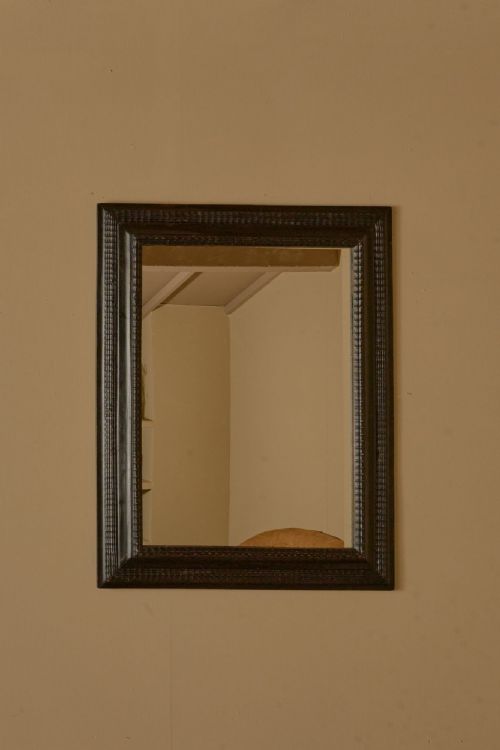
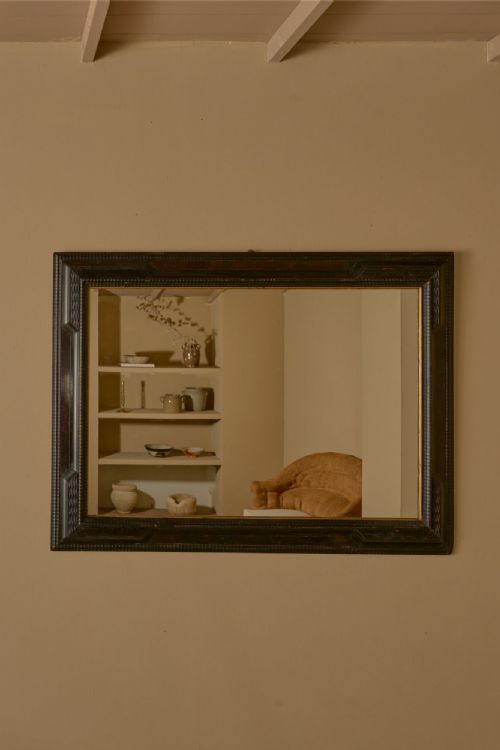
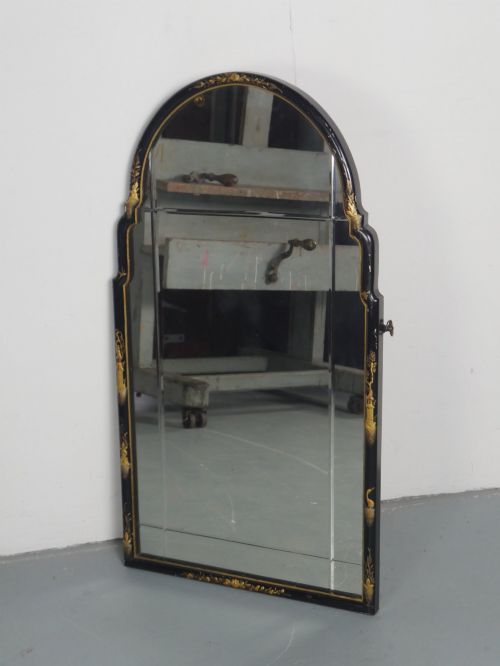
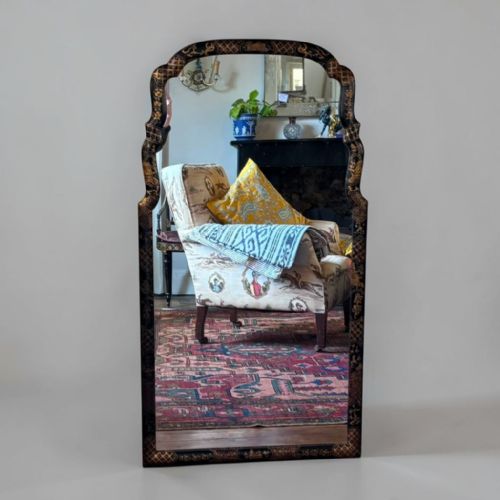

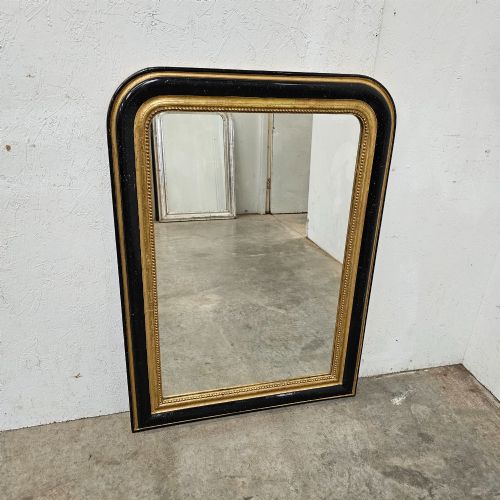
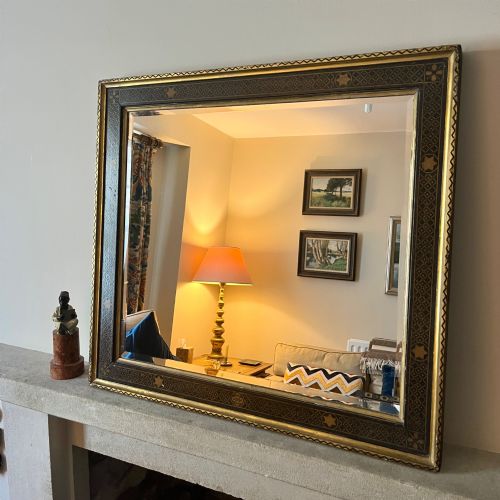
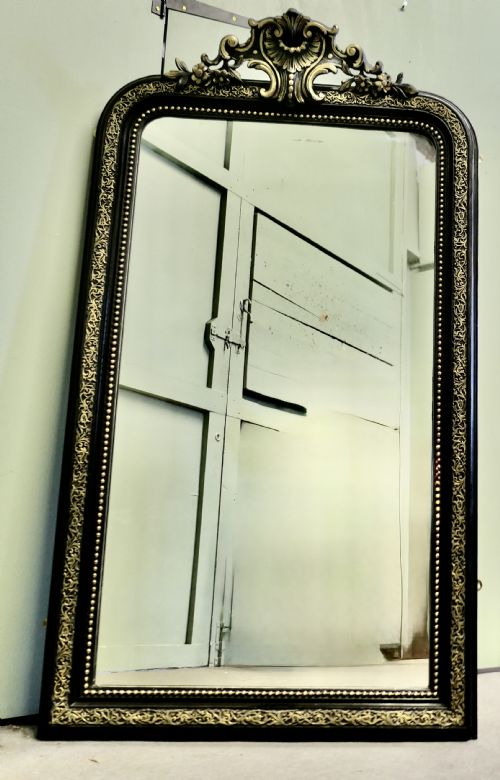
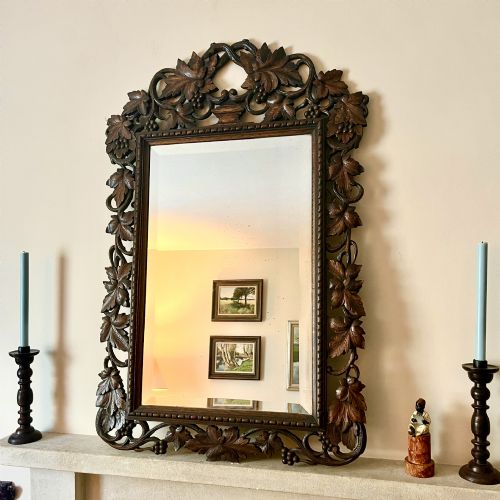
Black Frame Mirror
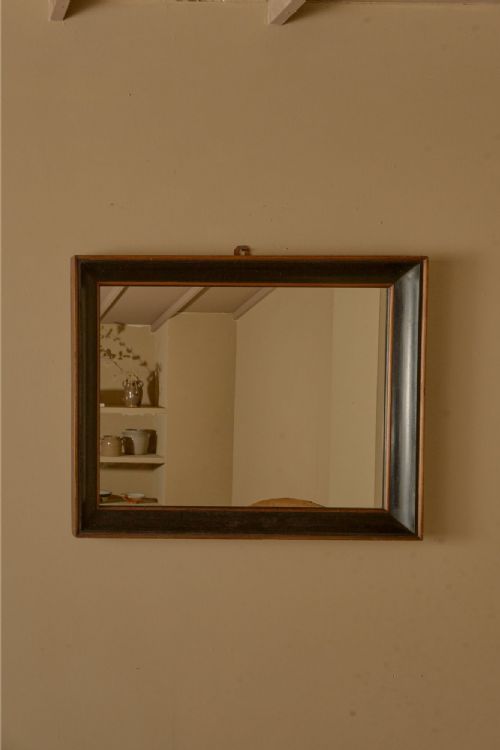
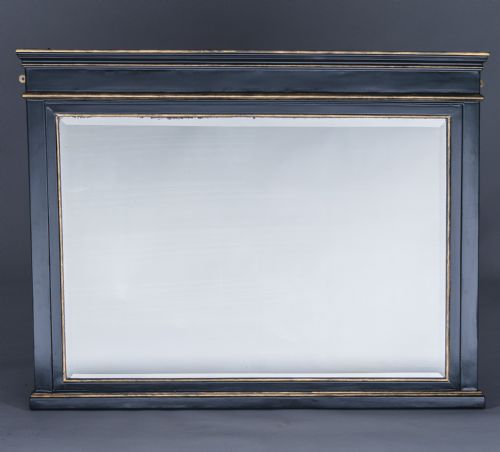
A black frame mirror brings sharp architectural contrast to a room, offering deep ebonised wood or painted dark mouldings that anchor bright glass.
Black Frame Mirror
When searching for a black frame mirror, you encounter everything from compact hall mirrors and dressing table pieces to grand overmantel and pier mirrors. These items span multiple periods including the Victorian era, the Aesthetic Movement, Edwardian decades, and the early twentieth century.
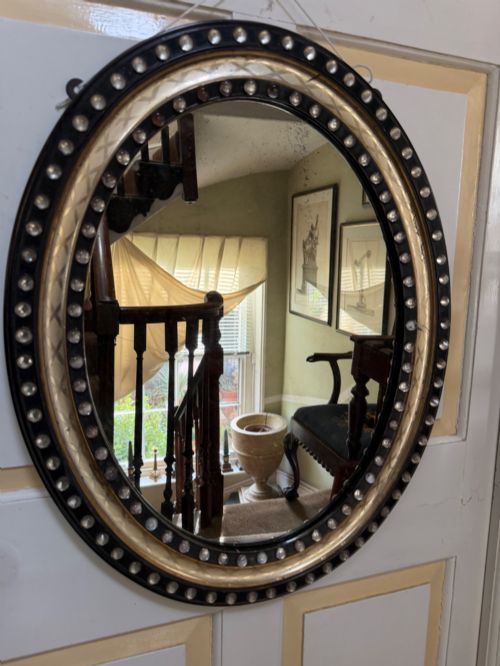
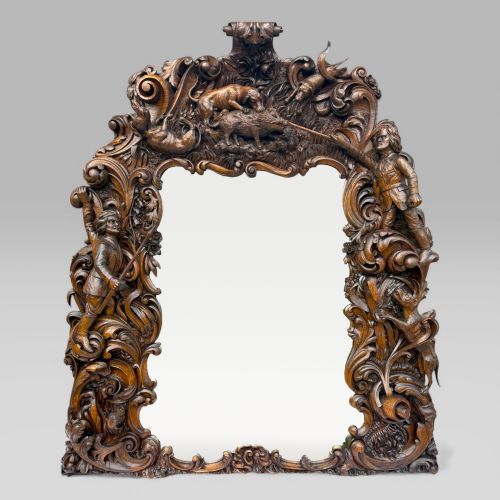
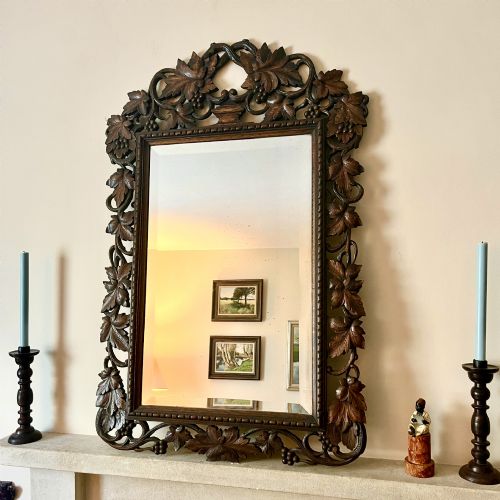
The most common formats on this page are wall-mounted rectangular or arch top overmantels, often framed in ebonised wood with parcel-gilt details. You also find specialised forms like carved oak hunting lodge mirrors, Black Forest carvings, and decorative Chinoiserie panels.
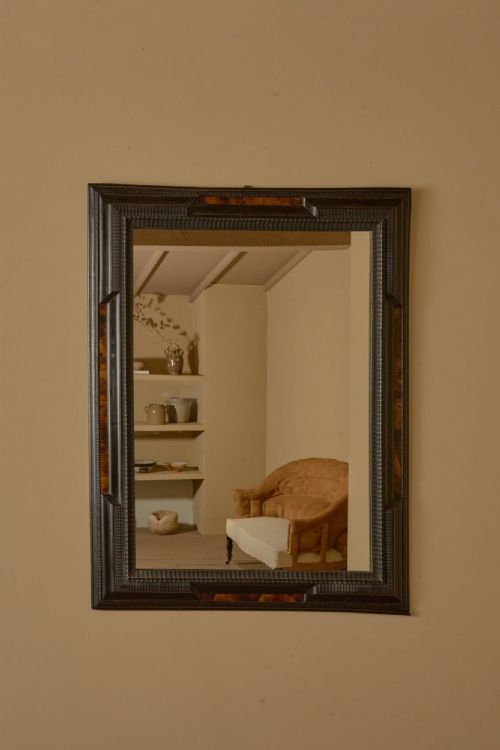
Origin and style vary widely, drawing on French Napoleon III designs, Italian faux tortoiseshell finishes, and English pub or fairground glass. Whether built as a simple domestic accessory or an ornate reception piece, each version uses dark framing to draw the eye directly to the reflective surface.
Materials and construction
Frames are constructed predominantly from hardwoods like oak, pine, or general timber, finished with ebonising to imitate expensive ebony. Craftsmen applied black paint, gesso, and gold leaf to create parcel-gilt contrasts or intricate low relief carvings.
Surface decoration frequently includes applied brass mounts, acid etching on glass, reverse painting, and hand-painted Chinoiserie motifs. Mirror glass itself ranges from standard plate to bevelled edges, cushion profiles, and distortion fairground plates.
Black Frame Mirror Retail Price Guide 2026
Typical asking prices for black frame mirror among the pieces listed under this phrase on Sellingantiques today, from the lower quarter to the upper quarter. They describe what is for sale here now, not the wider market.
Listings feature ebonised wood, gesso, gold leaf, and painted finishes across Victorian, Edwardian, and early twentieth-century periods.
Indicators of quality
Quality rests upon the depth of hand-carving in the wooden frame and the crispness of the gesso mouldings. Heavy oak frames and intricate Black Forest or Chinoiserie details indicate higher workshop skill.
The integration of parcel-gilt highlights, faux tortoiseshell finishes, and original mirror glass with natural ageing sets superior examples apart from simpler painted utility pieces.
The Black Frame Mirror Glossary
- Ebonised wood
- Timber stained or painted black to simulate genuine ebony wood. This finish was widely utilised during the Victorian period.
- Parcel-gilt
- A decorative technique where specific raised portions of a frame are gilded with gold leaf while the rest remains black.
- Overmantel mirror
- A large horizontal mirror designed to sit directly above a fireplace mantelpiece. These often feature arch tops or extensive carving.
- Chinoiserie
- European decorative art imitating Chinese artistic styles. It appears on mirrors through painted figures, landscapes, and lacquered frames.
- Cushion mirror
- A mirror frame shaped with a rounded, sloping profile resembling a soft cushion. This style was popular in French and Victorian interiors.
Black Frame Mirror: Frequently Asked Questions
Where should I hang a large overmantel mirror?
These large mirrors are traditionally mounted on the chimney breast directly above a fireplace. Their proportions reflect light across the room and balance the architectural weight of the hearth.
Alternatively, secure them firmly to studwork in a spacious hallway or reception room to create a strong focal point at eye level.
How do I identify a Victorian ebonised frame?
Victorian ebonised frames typically display dense timber construction beneath a deep black finish, often combined with hand-applied parcel-gilt accents. Look for traditional corner joinery and period weight.
They frequently incorporate gesso mouldings or brass mounts that reflect nineteenth-century manufacturing techniques rather than modern spraying.
What is an Aesthetic Period mirror?
Aesthetic Period pieces emerge from the late nineteenth-century movement emphasising visual beauty over narrative function. Their frames lean towards clean ebonised lines with subtle gilded details.
These designs fit well in both period and contemporary spaces due to their restrained, architectural elegance.
Are these antique mirror glasses original?
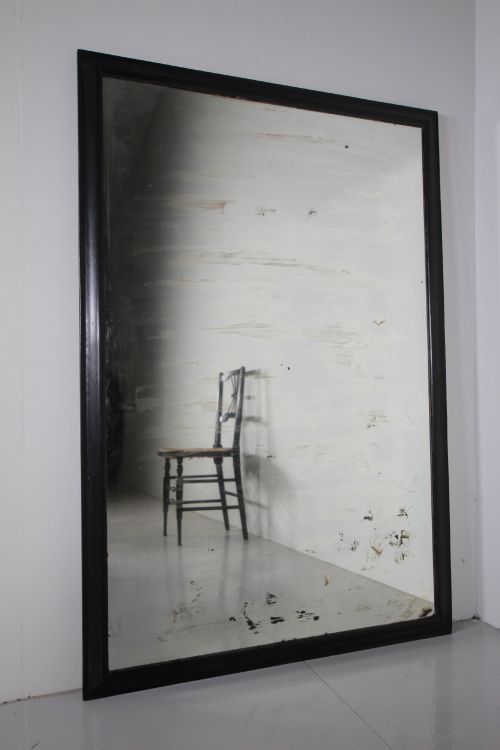
Many retain their original mercury or silvered glass, which naturally develops foxing, light spotting, and soft grey oxidation over time. This gentle ageing gives the reflection a characteristic warmth.
Some pieces have received replacement glass during their history, which alters neither the structural integrity nor the decorative impact of the frame.