
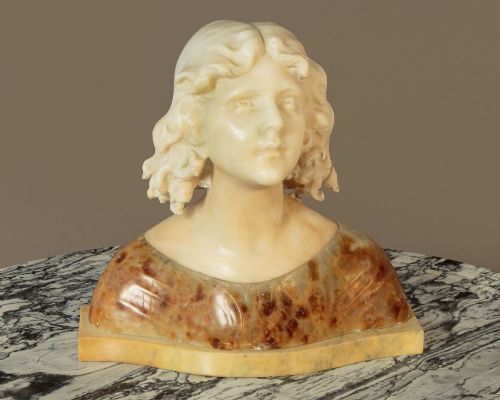


Portrait of Young Woman
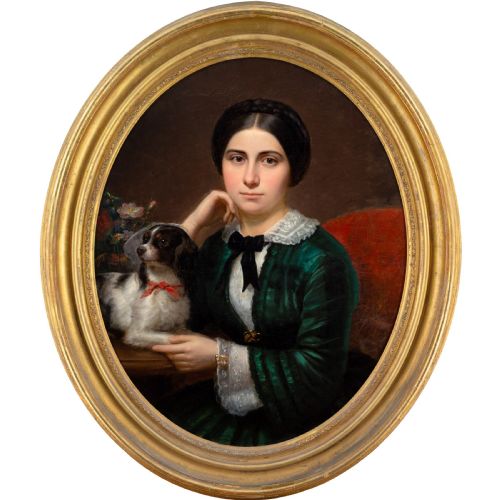
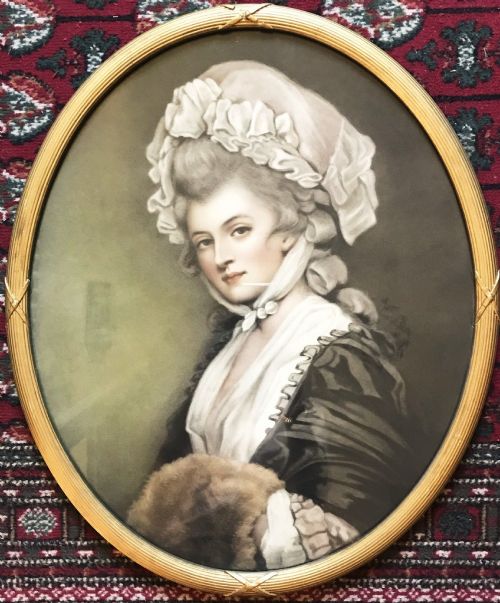
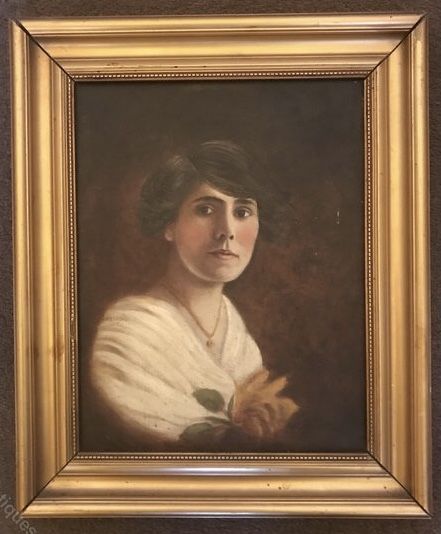
A portrait of young woman captures character and costume across centuries, offering buyers a direct connection to sitters from Georgian parlours to Edwardian drawing rooms.
Portrait of Young Woman
A portrait of young woman encompasses works on canvas, paper, wood, and porcelain, reflecting changing ideals of beauty from the seventeenth century through the early decades of the twentieth. Collectors encounter these depictions in oil paintings, watercolours, pastels, and pencil drawings, alongside three-dimensional forms like marble, alabaster, and bronze busts.
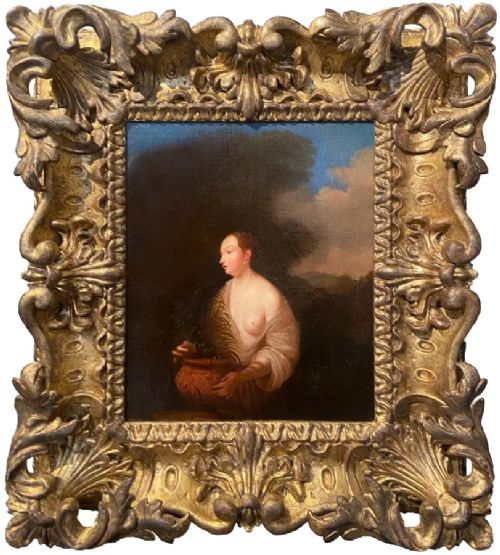
The pieces on this page originate from British, French, Italian, and other European schools, spanning Georgian, Victorian, Edwardian, and Art Deco periods. Domestic sitters appear in simple contemporary dress, while others adopt classical or theatrical guises such as goddesses or Renaissance figures.
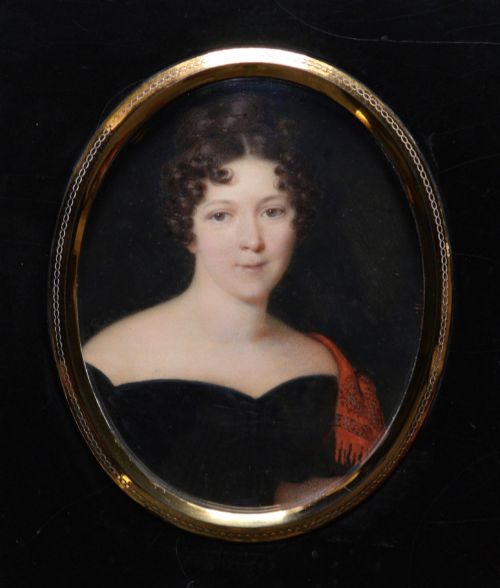
Framed wall art dominates the selection, joined by delicate miniatures on ivory or porcelain plaque formats set in ornate brass and ormolu frames. These works function as historical windows, preserving the personal identity and fashion of individual subjects long after their contemporaries have gone.
How They Were Made
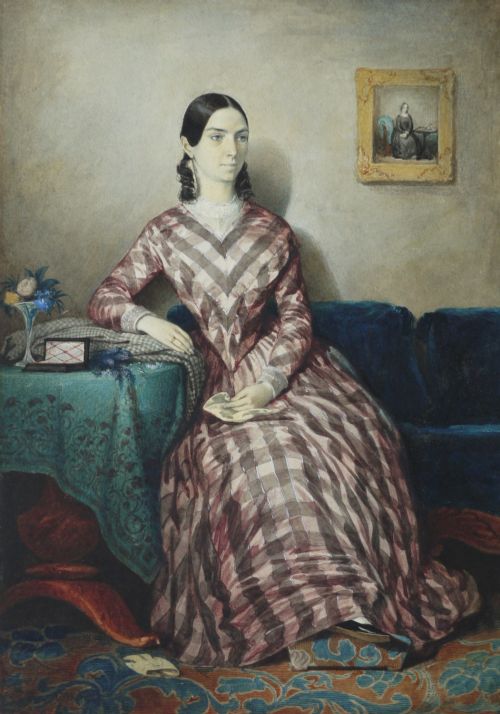
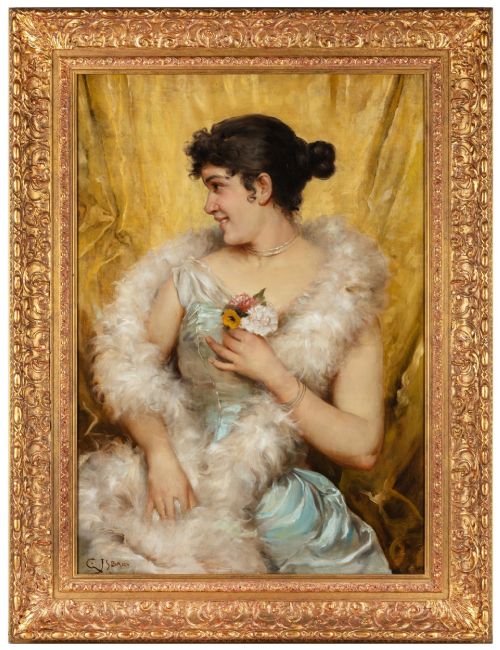
Painters applied oil and watercolour pigments to prepared canvas, wood panels, or heavy paper sheets, often utilising gold leaf for decorative accents in frames and backgrounds. Draughtsmen employed chalk, pastel, and pencil to capture soft contours and facial expressions with immediate, linear precision.
Sculptors carved figures from blocks of white marble and alabaster or cast them in bronze and cast iron, capturing fine details in hair and drapery. Ceramic artists painted directly onto porcelain plaques before firing, creating lasting glazed surfaces that resisted fading over generations.
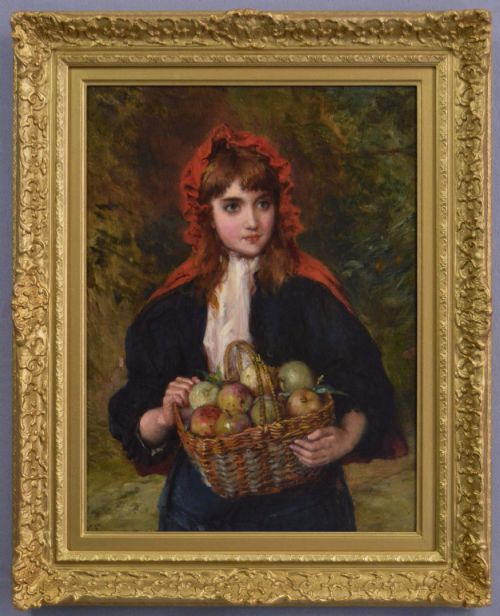
Several young women hold unexpected companions, from baskets of apples and yellow roses to hummingbirds and pet dogs.
What Varies In Quality
The skill of the hand dictates the distinction between standard commercial output and masterwork execution, particularly in the rendering of hands, eyes, and textiles. Superior examples display subtle tonal gradations and lifelike skin textures, whereas lesser works rely on stiff formulae and flat shading.
Materials contribute significantly to a piece's standing, separating simple printed reproductions from original hand-painted oils, signed watercolours, and finely chased metal or carved stone busts. The integrity of the original support and the sympathetic pairing of period frames also influence the overall presence of the work.
William Oliver·Frank Moss Bennett·William Joseph Carroll·Robert Faulkner·Thomas Murray·Alfred Seifert·Georges Van Der Straeten
The Portrait of Young Woman Glossary
- Oil on Canvas
- Pigment mixed with drying oil applied to a woven fabric stretched across a wooden frame. This medium allowed artists to build rich layers of colour and texture.
- Portrait Miniature
- A small, highly detailed painting executed on vellum, card, copper, or ivory. These intimate keepsakes were often worn as jewellery or kept in protective cases.
- Pastel
- A dry medium consisting of powdered pigment and a binder, shaped into sticks. It produces velvety surfaces with soft colour transitions, requiring glass protection.
- Ormolu
- Gilded bronze mounts and decorative frames popular in French and English furnishings. The technique involves applying a mercury and gold amalgam to bronze.
- Sanguine
- A type of red chalk used for sketching and drawing. Artists valued it for warm, earthy tones that mimic human flesh.
Portrait of Young Woman: Frequently Asked Questions
What periods do these portraits cover?
The available selection spans from the seventeenth century through the Georgian and Victorian eras up to the 1920s and Art Deco period. Earlier pieces often reflect aristocratic formality, while later works lean toward intimate domestic realism.
Buyers will find that Victorian and Edwardian examples appear most frequently, capturing the evolving photographic and artistic tastes of the late nineteenth and early twentieth centuries.
How were these artworks displayed historically?
Oil paintings and large watercolours hung prominently in formal reception rooms and family galleries to signal status and lineage. Smaller pastels, drawings, and portrait miniatures stayed in private chambers or travelled in protective cases.
Sculptural busts rested on pedestals or heavy library tables, while porcelain plaques decorated mantelpieces and boudoir walls set within decorative ormolu frames.
How do I care for antique works on paper?
Works executed in watercolour, pastel, or pencil require careful placement away from direct sunlight to prevent fading of fragile pigments. Archival framing with acid-free mounts ensures the paper does not discolour or degrade over time.
Maintaining stable room humidity protects the paper fibres and prevents mould growth behind the protective glass covering.
How can I distinguish original paintings from prints?
Examining the surface with a magnifying glass reveals the physical texture of brushstrokes and paint ridges characteristic of original oils and watercolours. Prints display uniform dot patterns or smooth, flat surfaces lacking artist touch.
Inspect the edges of the support to determine if pigments wrap around stretcher bars or if paper shows plate marks from printing presses.