




Portrait of Young Girl
A portrait of young girl captures the quiet intimacy of childhood across centuries through oil paintings, delicate watercolours, and carved marble busts.
Portrait of Young Girl
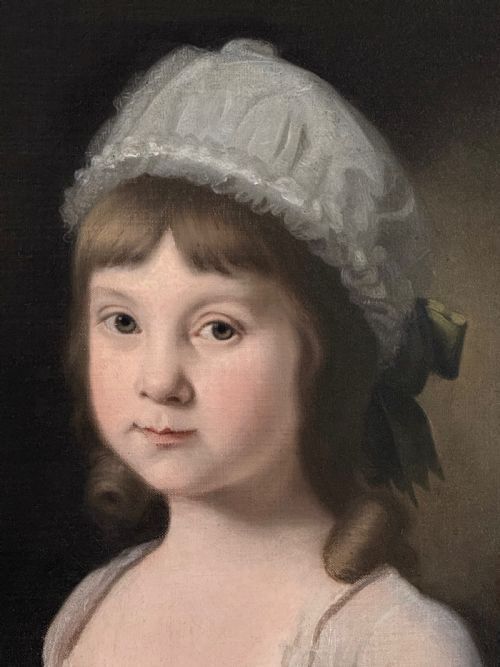
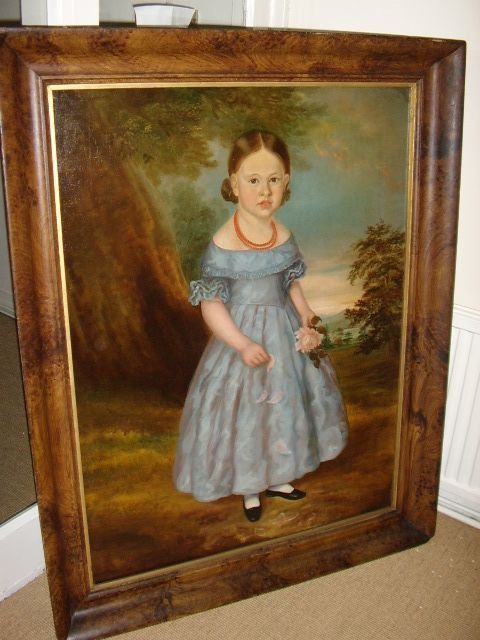
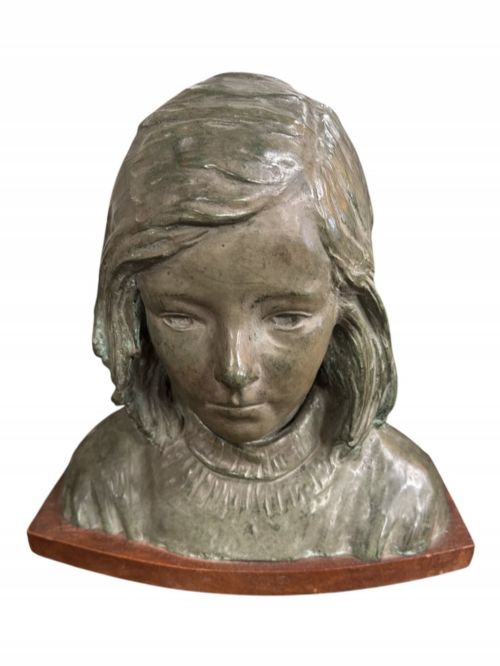
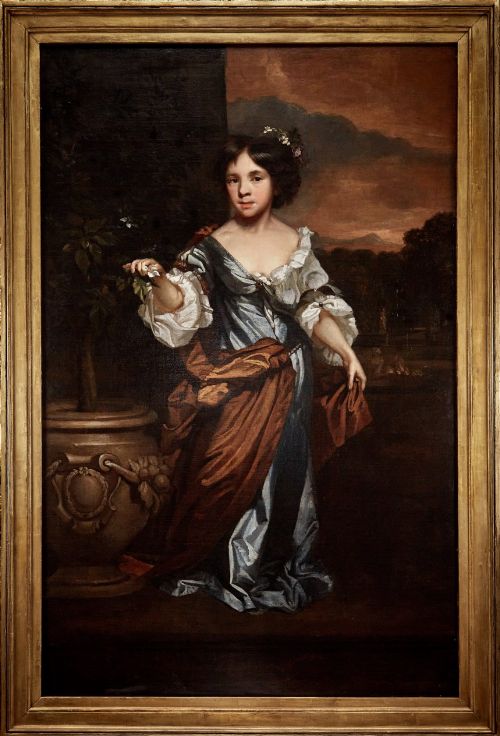
A portrait of young girl captures juvenile subjects through diverse mediums ranging from seventeenth-century oil canvases to twentieth-century pastels and sculptural busts. These works frequently record children in domestic or natural settings accompanied by pets, books, or simple garments.
The selections available span the seventeenth, eighteenth, nineteenth, and early twentieth centuries, encompassing Georgian, Regency, Victorian, and Edwardian aesthetic movements. Buyers encounter formal oil paintings alongside intimate portrait miniatures, silhouette watercolours, and carved alabaster studies.
How They Were Made
Canvas, wood panels, and heavy paper form the primary supports for painted and drawn examples, utilising oil paint, watercolour, pastel, and gouache mediums. Pigments are applied with varying brushwork density, from tight neoclassical precision to expressive impressionist strokes.
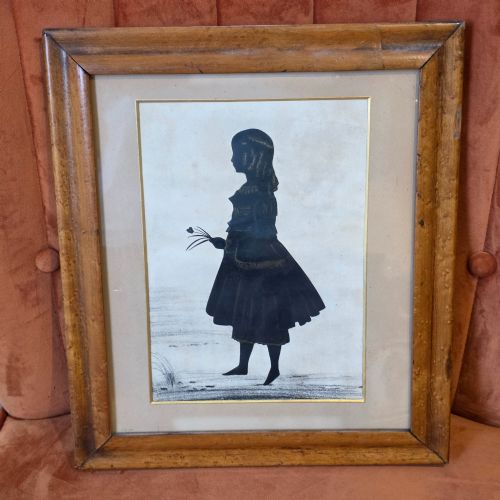
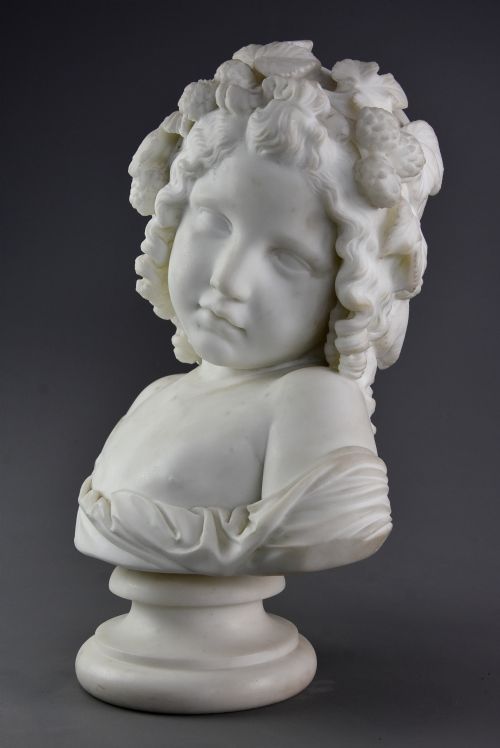
Three-dimensional representations employ carved carrara marble, alabaster, cast bronze, and bronzed metal, frequently enhanced with ormolu mounts. Silhouettes combine cut paper with delicate watercolour detailing set behind protective glass in period frames.
Several young subjects share the frame with unexpected companions, including hummingbirds, parrots, spaniels, kittens, and a tiger cowrie shell.
What Varies in Quality
The rendering of anatomy, fabric folds, and facial expression distinguishes accomplished academic hands from naive or provincial studio output. Masterful handling of light upon skin and clothing creates three-dimensional depth and psychological presence.
Materials and framing contribute significantly to overall execution, utilising heavy carved wood frames, fine ivory for miniatures, or high-grade carrara marble for sculptural busts. Attribution to documented artists or recognised regional schools elevates historical standing.
Joshua Reynolds·John Riley·John Closterman·John Russell·Mary Beale
The Portrait of Young Girl Glossary
- Portrait Miniature
- A small-scale painting executed on ivory, vellum, or card, highly detailed for personal portability. These delicate works were frequently worn as lockets or kept in protective folding cases.
- Carrara Marble
- A type of white or blue-grey marble quarried in Italy, prized by sculptors for its fine grain and uniform texture. It allows for the soft rendering of flesh in portrait busts.
- Silhouette
- An image represented as a solid shape of a single colour, usually black, matching the outline of the subject. Examples often combine cut paper with ink or watercolour detailing.
- Impressionist
- A style of painting emphasising spontaneous brushstrokes and the shifting effects of light rather than precise academic finish. Artists working in this manner prioritize atmospheric mood.
- Attributed To
- A term used when a work is not signed but stylistic evidence strongly links it to a specific artist's workshop or circle. It indicates strong professional proximity to the named master.
Portrait of Young Girl: Frequently Asked Questions
What periods do these portraits cover?
The available works span from the seventeenth century through the Georgian and Regency eras into the Victorian, Edwardian, and early twentieth-century periods. Each era brings distinct clothing styles, framing techniques, and painting mediums.
Earlier examples from the seventeenth and eighteenth centuries typically feature formal oil on canvas, while the nineteenth century introduces diverse watercolours, pastels, and sculpted marble busts.
How were portrait miniatures displayed?
Portrait miniatures were primarily designed for intimate personal use, often housed in small silver frames, ebonized wooden cases, or worn as lockets close to the heart. Their portable scale allowed owners to carry likenesses of family members during travel.
Many surviving examples retain their original protective glass covers and decorative bezels, highlighting their dual role as wearable jewellery and fine art.
What materials are used in sculptural busts?
Sculptural representations of children are carved from carrara marble and alabaster, or cast in bronze and bronzed metal. Some pieces incorporate ormolu mounts to accent bases and drapery.
These materials reflect the neoclassical and academic tastes of the nineteenth and early twentieth centuries, capturing soft facial contours through polished stone or patinated metal.
How do I distinguish naive art from academic works?
Academic works demonstrate a formal understanding of human proportion, light source, and shadow graduation, often following strict compositional rules taught in art academies. Artists in these circles trained extensively in capturing lifelike anatomical detail.
Naive works exhibit a charming flatness in perspective and simpler line work, often created by regional or self-taught painters who prioritized direct expression over classical rules.