

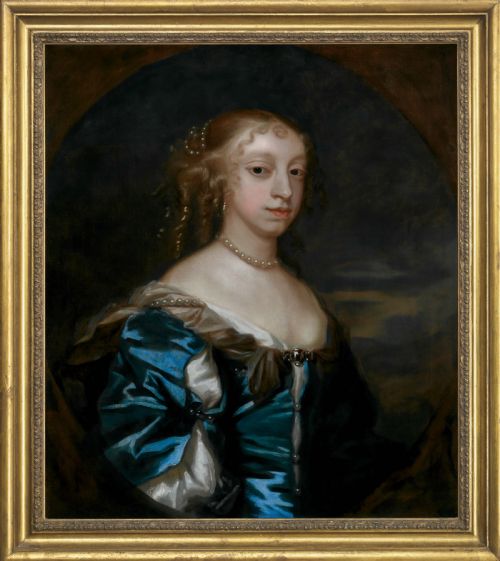

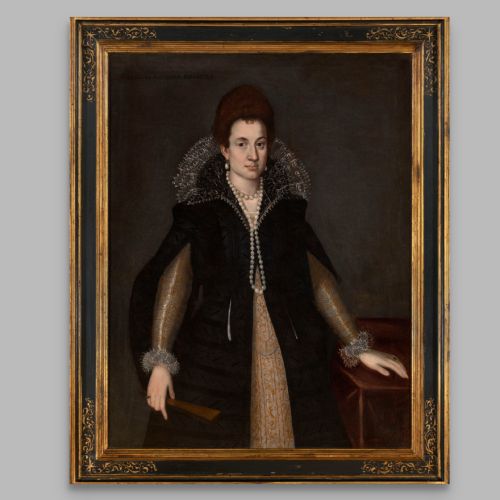
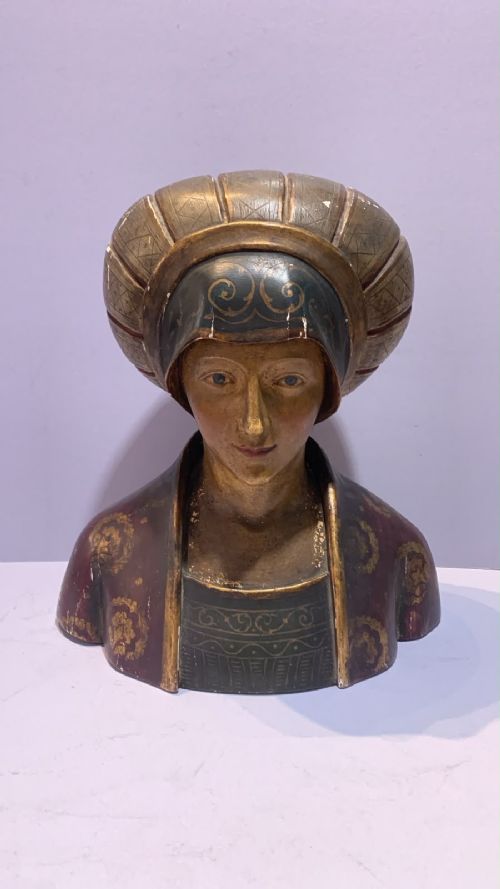
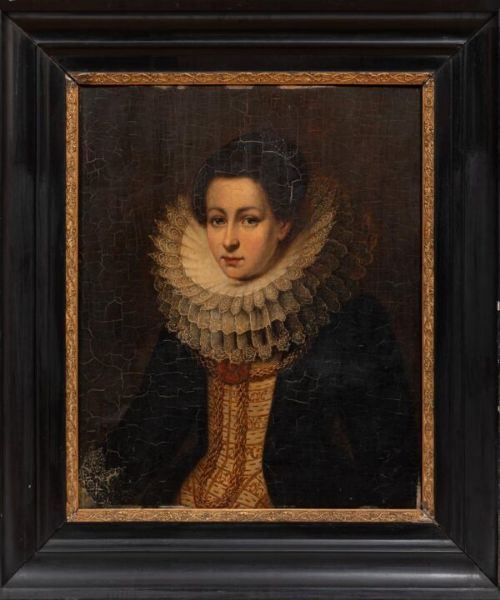


Portrait of a Noblewoman
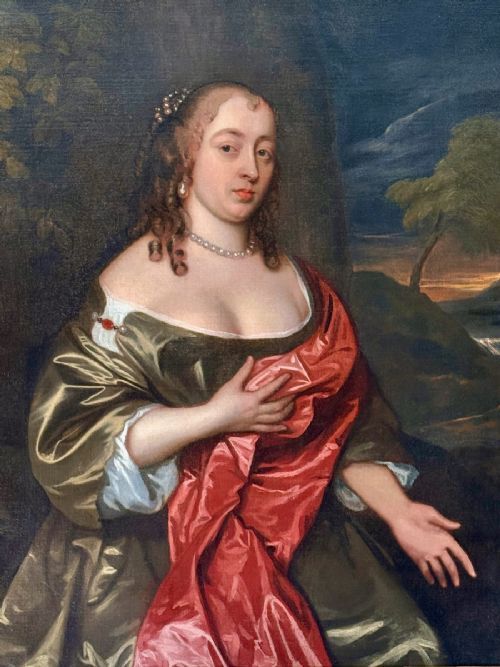
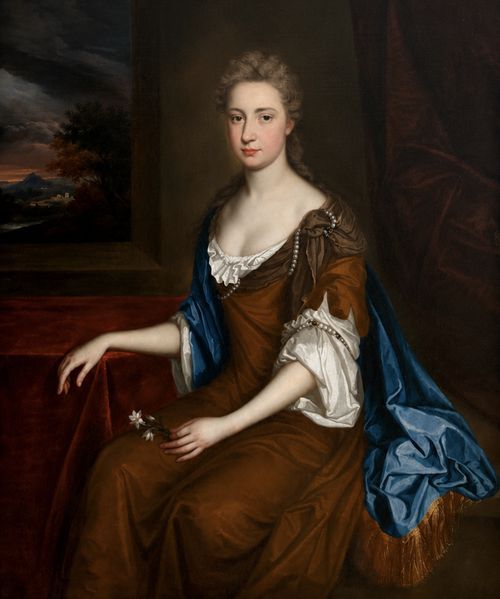
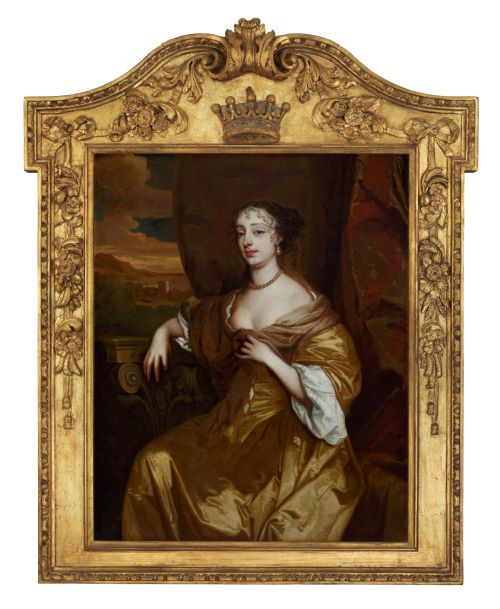
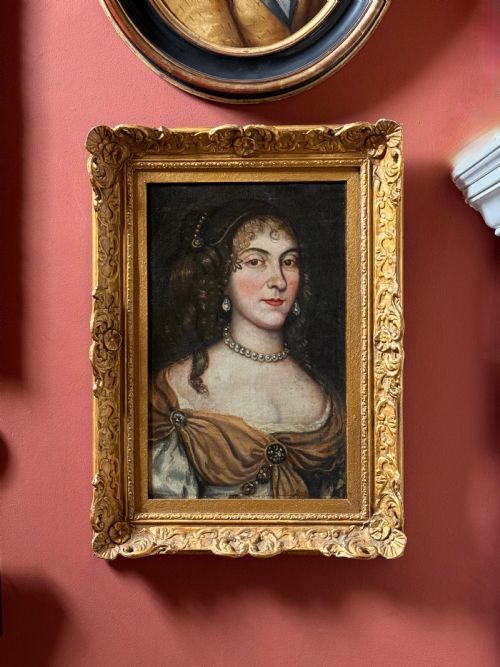
A portrait of a noblewoman is a historic painting or sculpture capturing aristocratic presence, prized for elaborate period dress and commanding presence.
Portrait of a Noblewoman
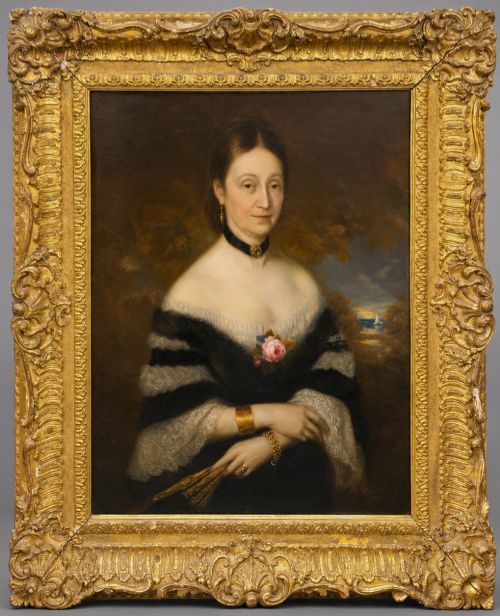
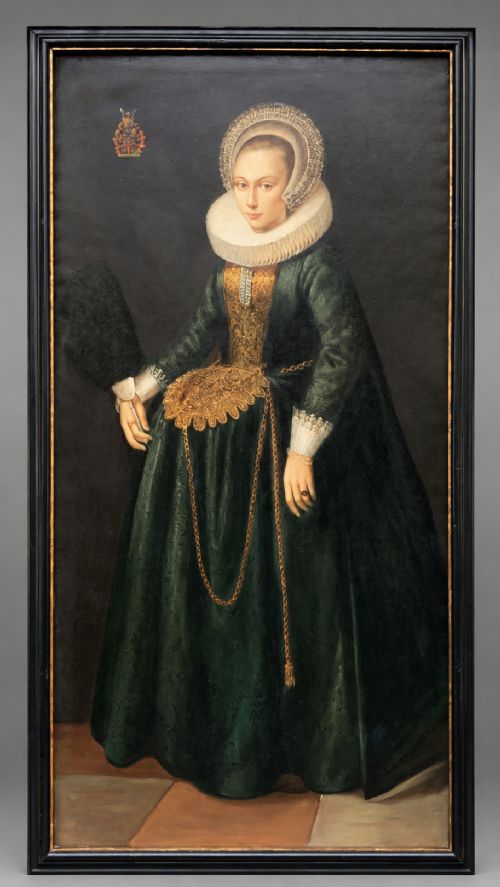
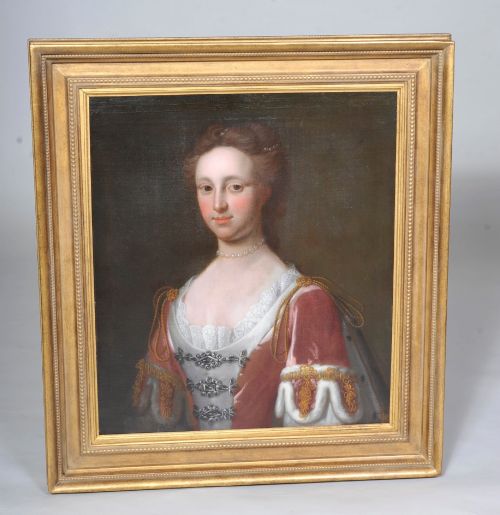
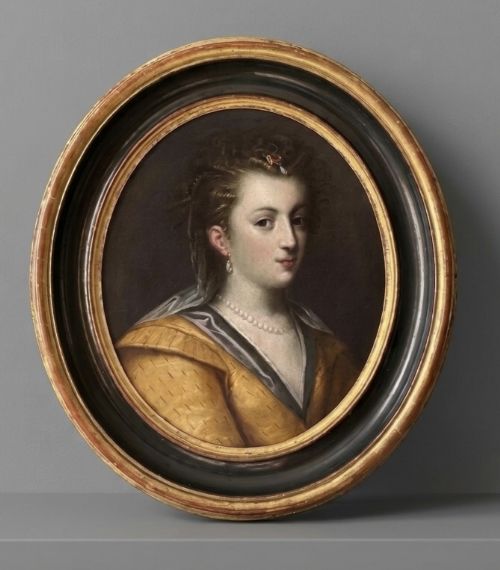
A portrait of a noblewoman depicts aristocratic subjects from the sixteenth, seventeenth, and eighteenth centuries, executed primarily as oil paintings on canvas alongside occasional sculptures and miniature works.
The pieces on this page span British, Dutch, Italian, and French schools, offering likenesses ranging from early seventeenth-century English subjects in ruff collars to grander Georgian depictions.
Buyers encounter both grand canvas works housed in gilt frames and smaller representations, reflecting the shifting tastes of European nobility across multiple centuries.
Defining Quality in Portraiture
Quality rests in the precision of facial rendering and the psychological weight given to the sitter, separating accomplished studio output from more formulaic workshop production.
The treatment of textiles, from intricate ruff collars to ermine-trimmed cloaks, demonstrates the technical mastery of the painter or sculptor.
Provenance and closeness to a named circle or master elevate the historical standing of a canvas within the broader corpus of aristocratic portraiture.
Portrait of a Noblewoman Retail Price Guide 2026
Typical asking prices for portrait of a noblewoman among the pieces listed under this phrase on Sellingantiques today, from the lower quarter to the upper quarter. They describe what is for sale here now, not the wider market.
Object types span framed art, sculptures, and portrait miniatures alongside traditional oil paintings.
John Hayls·Pietro Fachetti·James Watson·Francis Cotes·Sir Anthony Van Dyck·John Greenhill·Sir Godfrey Kneller·Charles Jervas·Francois Clouet·Hieronymus Janssens·Daniel Mytens·Pier Francesco Cittadini·Pierre Mignard
The Portrait of a Noblewoman Glossary
- Oil on Canvas
- A painting medium utilising pigments suspended in a drying oil, applied to a stretched fabric support. This technique allowed artists to achieve rich tonal gradations and deep colour saturation.
- Gilt Wood
- Timber treated with gold leaf or gold paint to create a lustrous decorative surface. Such finishes were standard for grand frames accompanying aristocratic likenesses.
- Ruff Collar
- A severe, pleated linen neckpiece popular in late sixteenth and early seventeenth-century European fashion. Its elaborate geometry signals high social standing in early portraits.
- Mezzotint
- A printmaking process of the intaglio family that allows half-tints to be produced without line work. It gained favour for translating painted aristocratic portraits into multiple graphic impressions.
Portrait of a Noblewoman: Frequently Asked Questions
How do I identify the period of a portrait?
Clothing styles, particularly collars, lace, and sleeve cuts, offer the clearest chronological marker for historical likenesses.
Changes in ruff dimensions and bodice design evolved rapidly across the sixteenth and seventeenth centuries, dating sitters accurately.
What is a circle of attribution?
This term indicates an artist working in the studio or direct influence of a major master without being the principal hand.
Such works reflect the prevailing techniques and compositions associated with prominent historical painters.
How should I hang an oil portrait?
Display paintings away from direct sunlight and fluctuating heat sources to protect the delicate oil pigments and canvas.
Ensure the wall can support the weight of heavy gilt wood frames typical of seventeenth and eighteenth-century artworks.
What distinguishes an English school portrait?
English school works often emphasise linear precision in costume alongside restrained facial expressions typical of regional patronage.
These paintings frequently document landed gentry and aristocracy through distinct local aesthetic traditions.