



17th Century Lady Painting
A 17th century lady painting captures the striking portraiture of the era, offering a glimpse into the status and fashion of historical figures through masterly portraiture.
17th Century Lady Painting
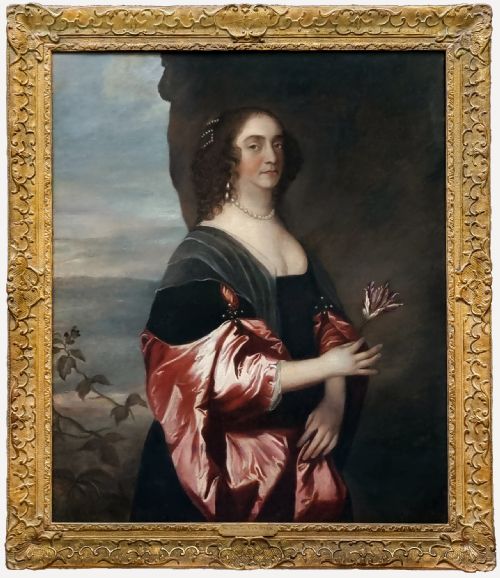
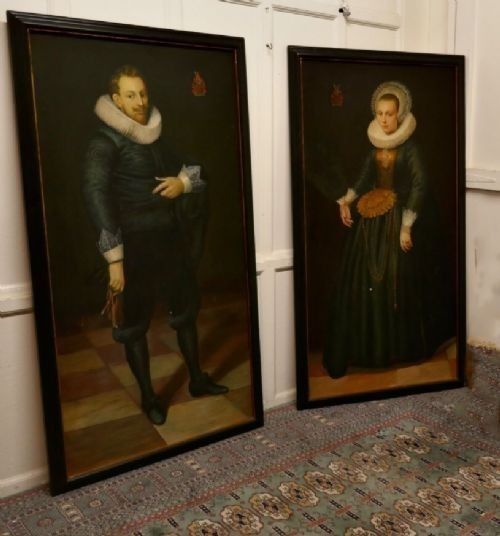
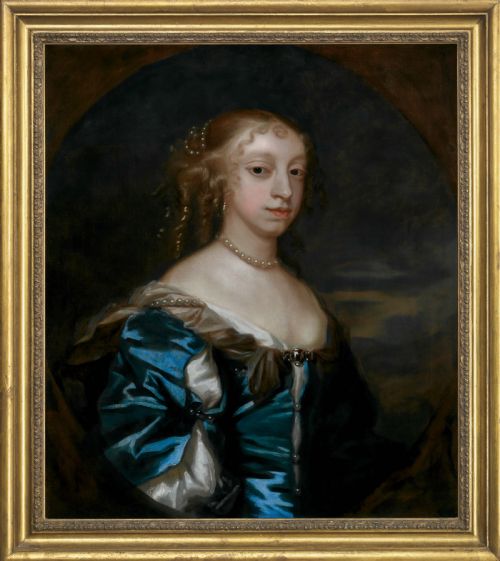
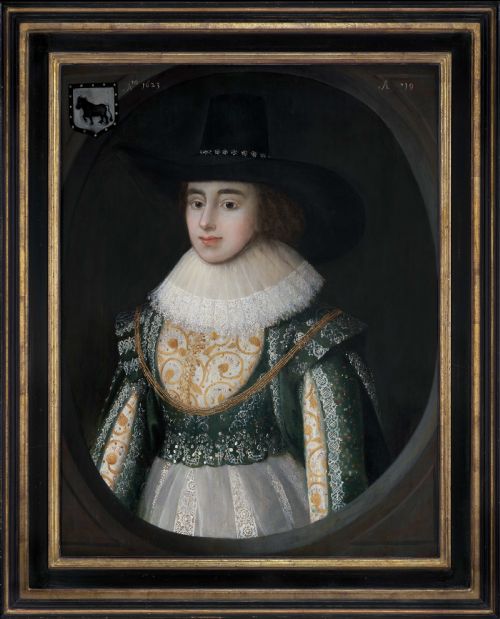
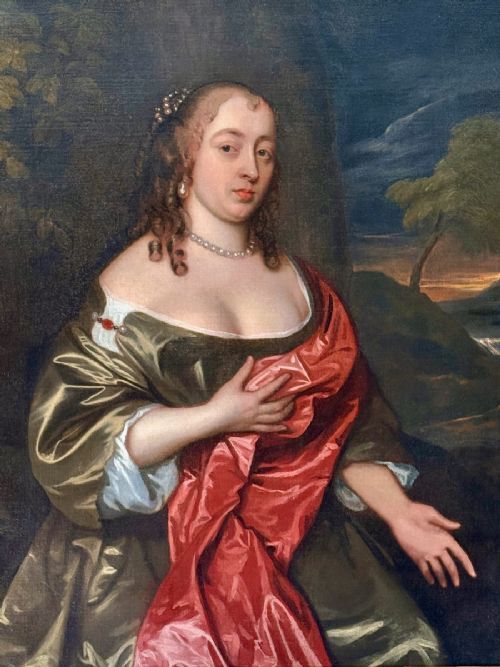
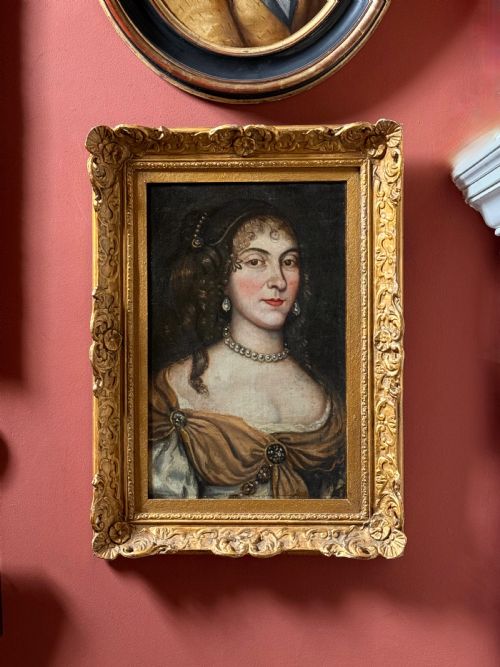
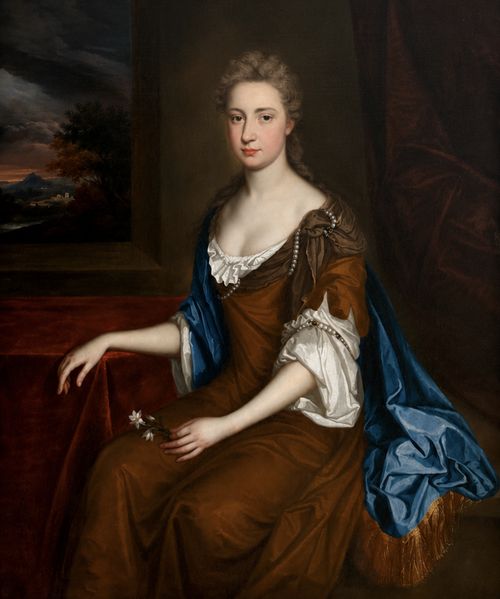
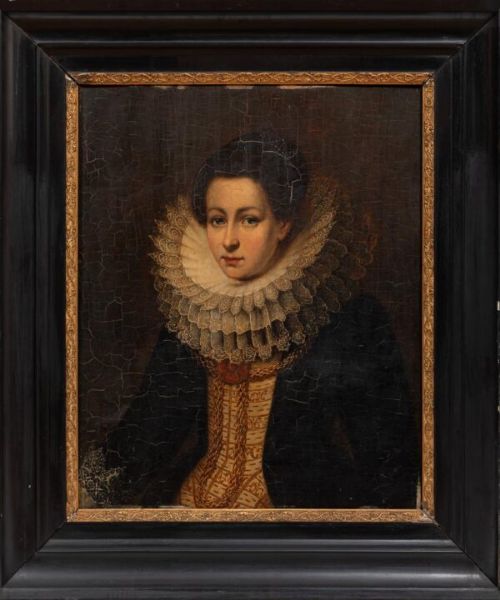
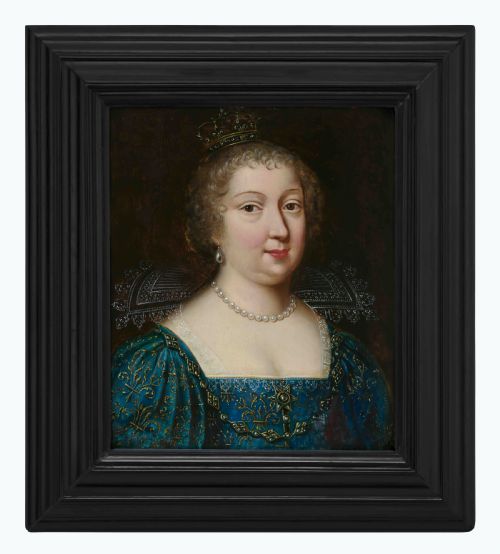
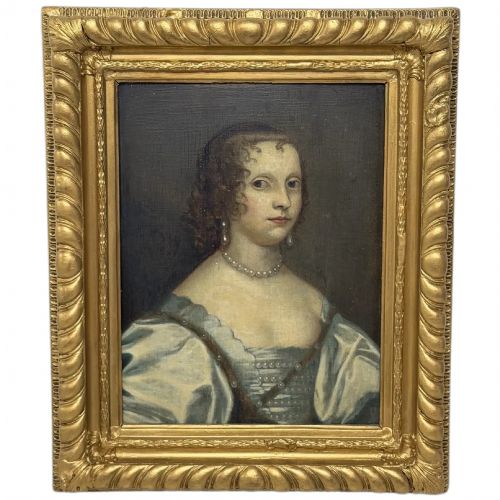
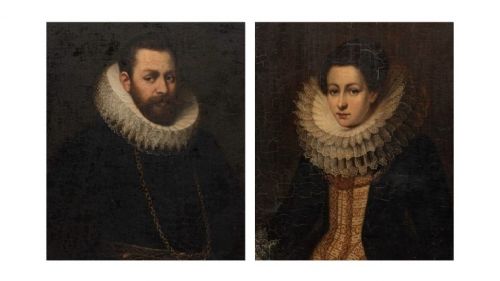
A 17th century lady painting depicts noblewomen, gentlewomen and family members rendered during the 17th century, alongside later interpretations from the 18th and 19th centuries. These works emerge from various European schools, including Dutch, English, French and German traditions.
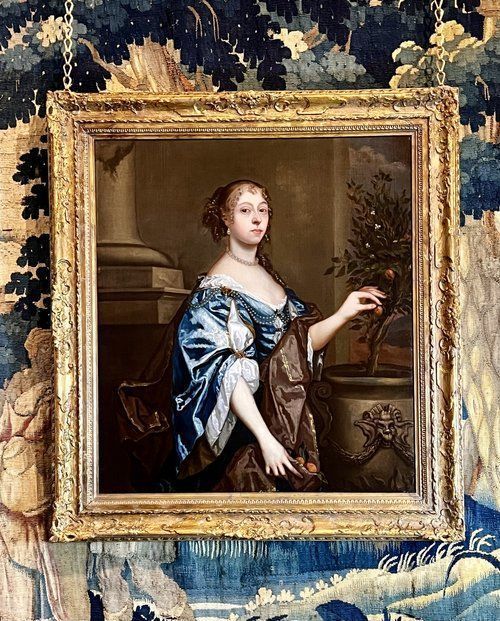
Subjects appear in formal attire, sometimes adorned with lace ruff collars, pearls, satin dresses or holding items like oranges and exotic birds. The format spans canvas and oak panel supports, frequently framed in giltwood or wood.
Buyers encounter period originals alongside later studio circles, followers and subsequent century interpretations reflecting the enduring appeal of Baroque and Jacobean portraiture.
Materials and construction
Artists painted primarily with oil paint upon stretched canvas or prepared wood panels, such as oak, providing a stable ground for detailed portraiture. Canvases and panels support layers of pigment that capture the lustre of silks, satins and jewels.
Frames utilise wood and giltwood construction, often complementing the period aesthetic of the fine art paintings they encase.
Several noble ladies share space with unexpected companions, including an exotic bird and a basket of freshly picked oranges.
Assessing quality and execution
Quality rests in the precision of the brushwork, particularly in the rendering of facial expressions, hands and intricate textiles like lace collars and satin drapery. Master works by named painters or close studio circles demonstrate superior depth and anatomical proportion compared to standard school pieces.
The preservation of the oil paint surface and the stability of the canvas or wood panel significantly influence the integrity of the surviving portrait.
Pierre Mignard·Pieter Borsseler·Henri and Charles Beaubrun·Cornelius Johnson·Sir Peter Lely·Sir Anthony Van Dyck·Michael Dahl·John Greenhill·Nicolaes Maes·Pieter Nason·Sir Godfrey Kneller·Mary Beale·Jacob Huysmans·Caspar Netscher
The 17th Century Lady Painting Glossary
- Oil on Canvas
- Pigment mixed with drying oil applied to a woven fabric support. This combination allows for flexible application and enduring colour retention.
- Wood Panel
- A rigid flat wooden support, frequently oak in this period, used by artists before canvas became universal. Panels provide a firm, smooth surface for fine detail.
- Baroque
- The dominant artistic style of the 17th century characterised by dramatic lighting, rich colour and grand movement. It informs the theatrical composition of many portraits.
- Jacobean
- An early 17th-century English style marked by linear precision and flat, decorative treatment of costume. Portraits from this period emphasise heraldic and status details.
- Circle of
- A designation indicating an artist worked in close association with a master, sharing style and technique. These paintings reflect the direct influence of a prominent painter's studio.
17th Century Lady Painting: Frequently Asked Questions
How do I identify a 17th century lady painting?
Examination of the sitter's costume, including ruff collars, pearl jewellery, and satin or velvet gowns, provides primary clues to the period. Attribution notes, maker signatures and historical school classifications further clarify the origin.
Material analysis of the canvas or wood panel also assists in determining the age and geographical origin of the artwork.
Where were these portraits displayed originally?
Affluent patrons commissioned these fine art paintings to hang in the galleries, halls and private chambers of country houses and urban residences. They served to record lineage, marriages and social standing.
Today, collectors place them in traditional or contemporary interiors to anchor a room with historical presence.
What is the difference between panel and canvas works?
Earlier works frequently utilise wood panels, such as oak, providing a rigid support favoured by early 17th-century painters. Canvas became more widespread as a flexible and large-scale medium.
Both supports require stable environmental conditions to prevent warping of the wood or slackening of the fabric.
Who painted these portraits?
Works were produced by prominent court painters, independent masters, and collaborative workshops or studio circles. Artists often specialised in capturing likenesses alongside elaborate fabrics and accessories.
Attributions range from the master's own hand to followers and regional schools influenced by their style.