

Portrait Head Sculpture
When you search for portrait head sculpture, you encounter carved and cast likenesses spanning the Victorian era through the early twentieth century.
Portrait Head Sculpture
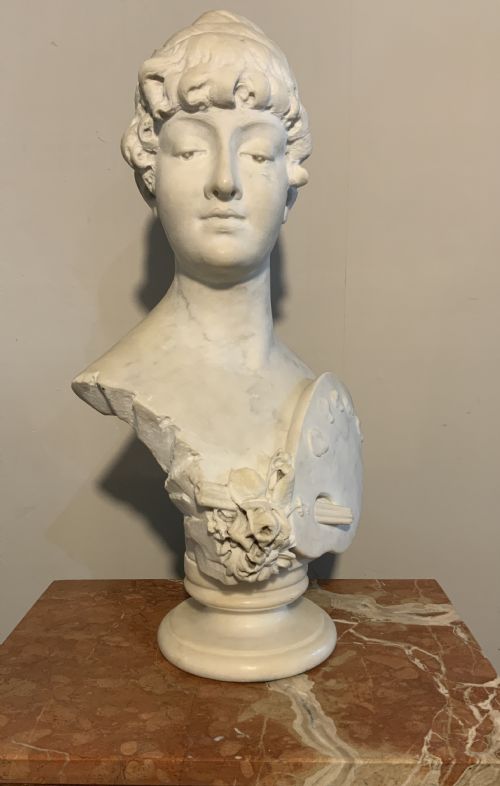
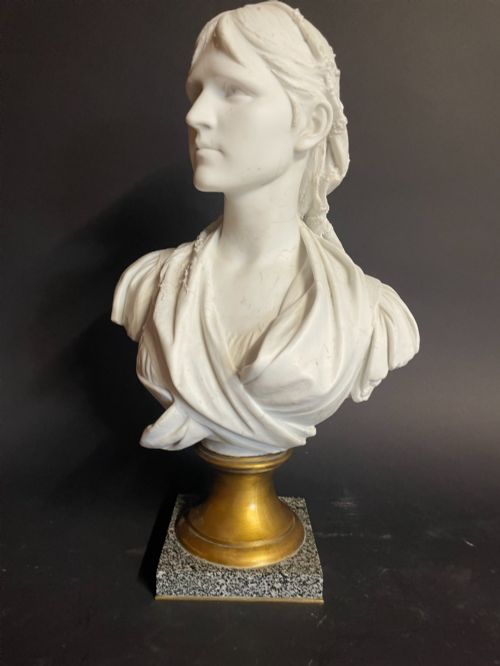
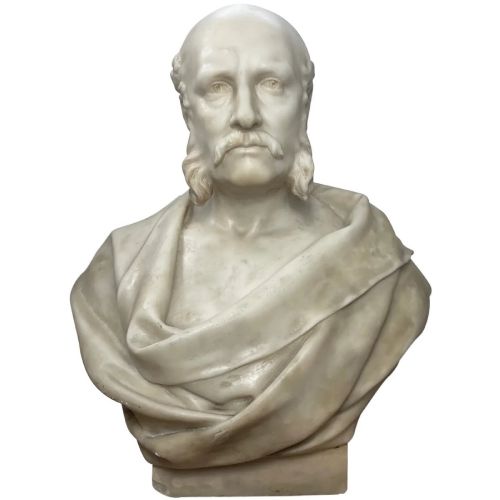
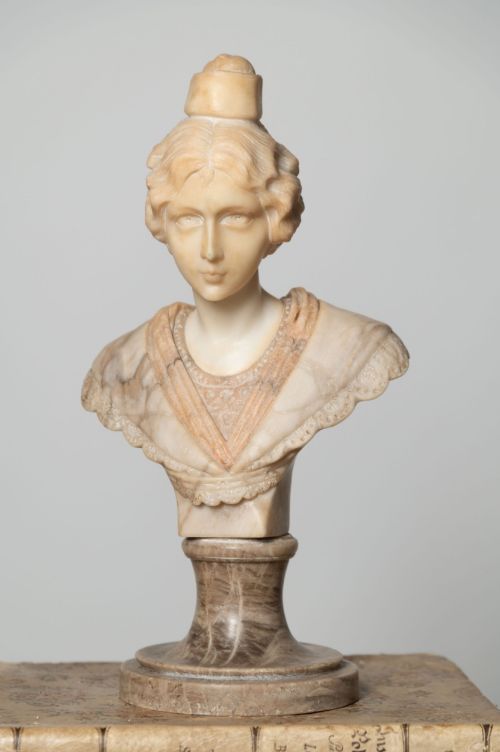
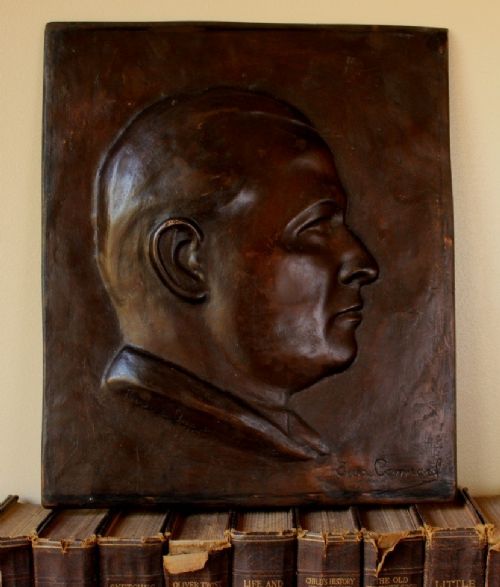
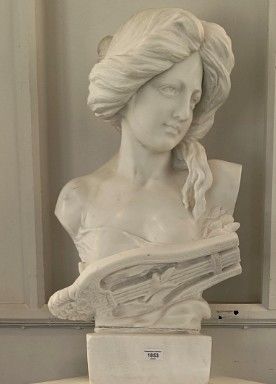
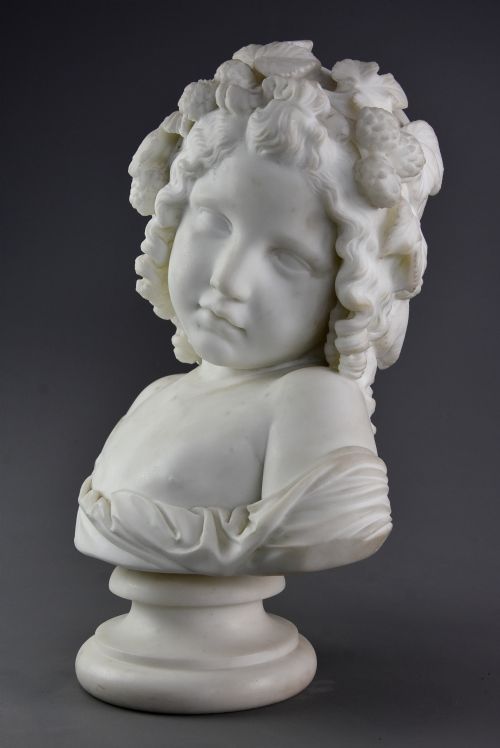
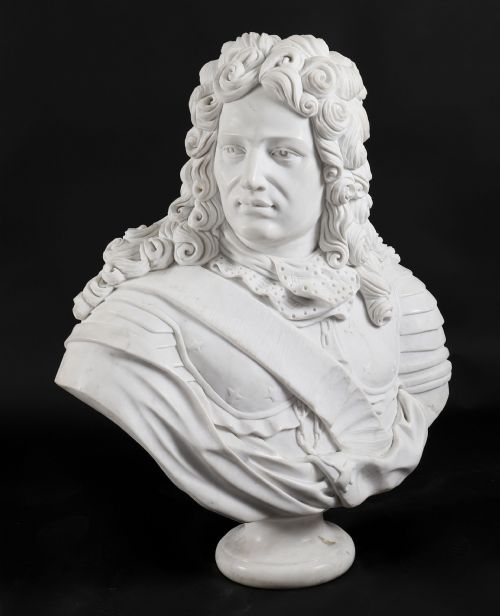
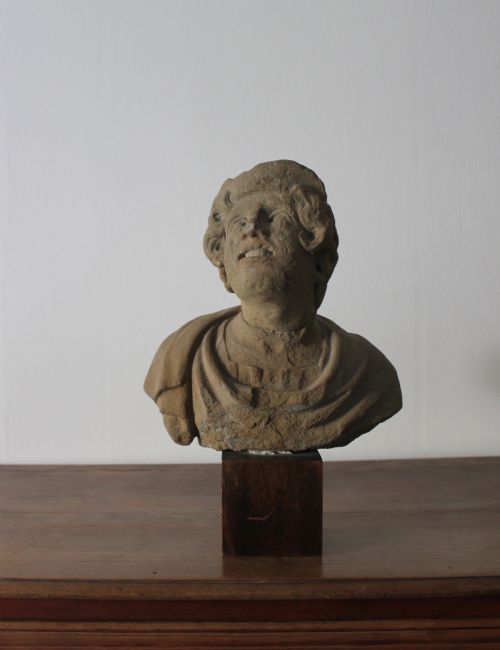
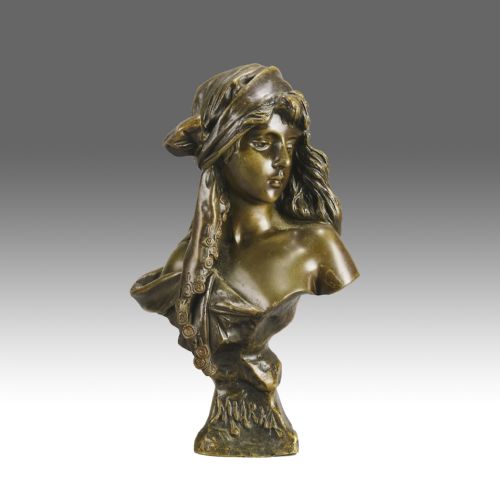
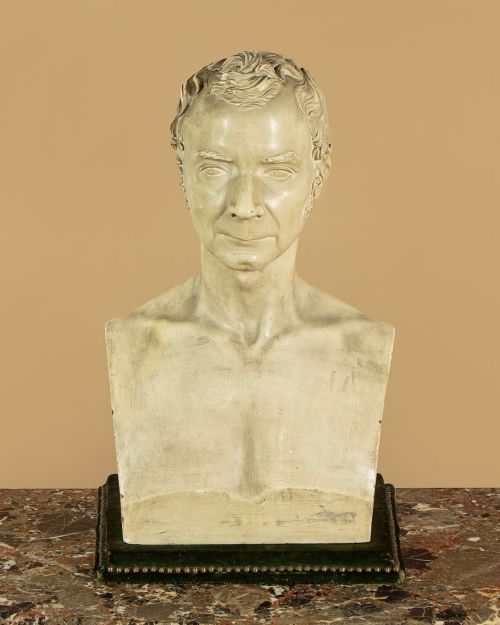
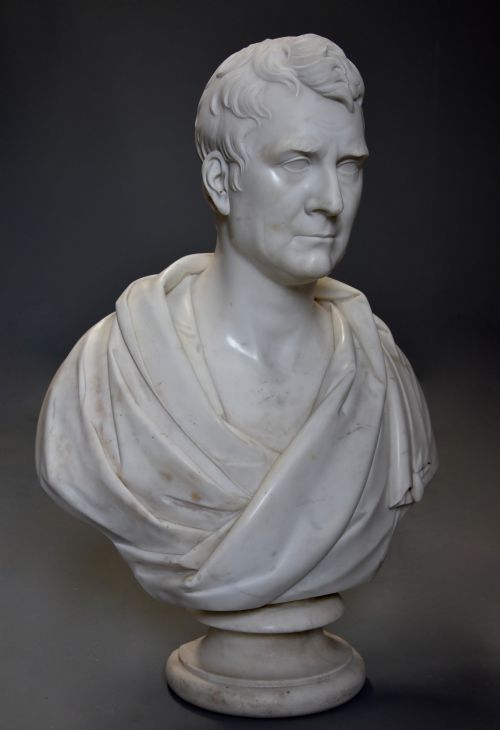
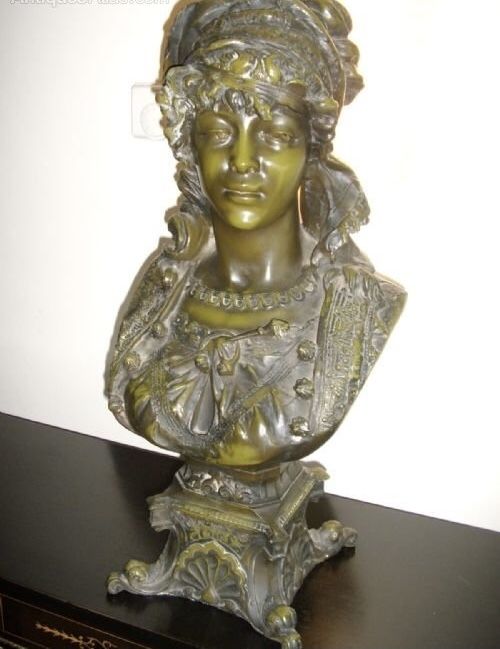
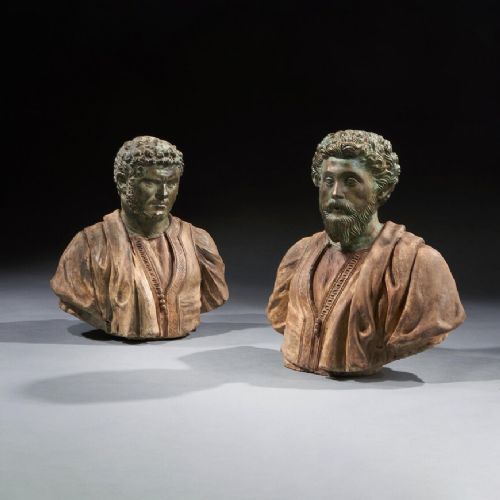
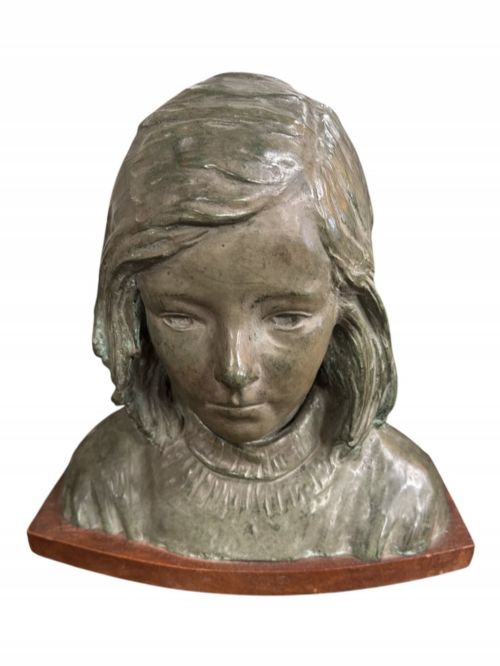
A portrait head sculpture represents an individual likeness, frequently taking the form of a bust, wall sculpture, or bookend. The selection includes depictions of historical figures, mythological subjects, literary icons such as Dante and Shakespeare, and civic or noble personages.
The materials span traditional media, with white and Carrara marble, bronze, plaster, and alabaster appearing alongside carved wood and stone. Pieces range from grand monumental works to library-scale items designed for interior display.
Dating primarily from the nineteenth and early twentieth centuries, these objects encompass neoclassical, Victorian, Art Nouveau, and Art Deco aesthetics. The origins stretch across Britain, France, Italy, and beyond, reflecting diverse regional sculpture traditions.
How they were made
Bronze works rely on casting techniques, often finished with patination to alter the surface colour and texture. Plaster versions are typically cast from moulds and may receive a painted or bronzed surface treatment.
Wood sculptures demonstrate precision hand-carving in media such as walnut and pear wood, capturing intricate facial expressions and textures.
The selection includes classical subjects alongside historical figures, literary icons, and anonymous sitters.
What varies in quality
Quality rests in the anatomical accuracy and psychological depth captured by the sculptor, distinguishing lifelike characterisations from mechanical reproductions. Master carvers render subtle shifts in expression, bone structure, and musculature with precision.
The choice and preparation of the raw material influence the final presence of the object, whether through the translucency of alabaster or the crisp chasing on a bronze cast. Signature marks by recorded sculptors elevate the standing of a piece within the field.
Eugene Canneel·Emmanuel Villanis·Raffaelo Monti·Auguste Henri Carli·George Henry Paulin·Hermann Steiner·Giuseppe Moretti·George Minne
The Portrait Head Sculpture Glossary
- Bust
- A sculpture depicting a person's head, shoulders, and upper chest. This format dominates historical portraiture in marble and bronze.
- Patination
- The surface colour or chemical treatment applied to metal or stone over time. A rich patina adds visual depth to bronze and terracotta sculptures.
- Carrara marble
- A type of white or blue-grey marble from Italy prized for its fine grain. Sculptors have favored this stone since antiquity for portraiture.
- Alabaster
- A soft, translucent mineral carved into decorative objects and portrait heads. Its light-permitting quality gives carved drapery a gentle luminescence.
- Neoclassical
- An artistic movement drawing inspiration from the classical art and culture of ancient Greece and Rome. This style influences proportions and drapery in nineteenth-century busts.
Portrait Head Sculpture: Frequently Asked Questions
How do I identify the material?
Examining the weight, surface temperature, and texture helps distinguish stone and metal from cast compositions. Marble and alabaster feel cool to the touch and display natural veining.
Bronze exhibits metallic resonance and patina, while plaster and terracotta present a lighter weight and matte finish.
Where were these sculptures displayed?
Historically, portrait busts and head sculptures occupied libraries, antechambers, and formal halls of grand residences. They signalled intellectual pursuits, civic pride, or familial lineage.
Smaller library busts and bookends were designed for desks and bookshelves in domestic settings.
How do I care for a marble bust?
Marble surfaces require gentle dusting with a dry, soft cloth to prevent particulate buildup. Harsh cleaning agents and excess moisture can damage the porous stone.
Displaying the sculpture away from direct heat sources and sunlight protects the material and any applied patination.