



Porcelain Urn and Cover
These porcelain urn and cover selections bring classical form and painted decoration to a room, offering both display presence and fitted utility.
Porcelain Urn and Cover
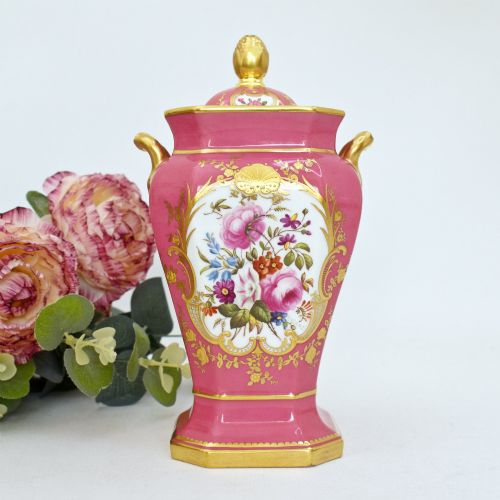
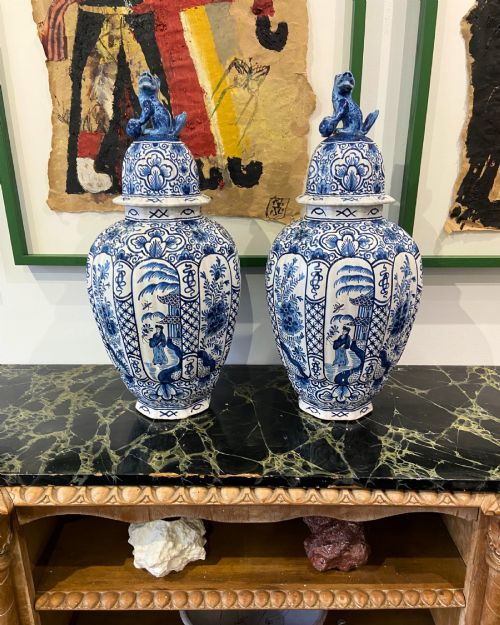
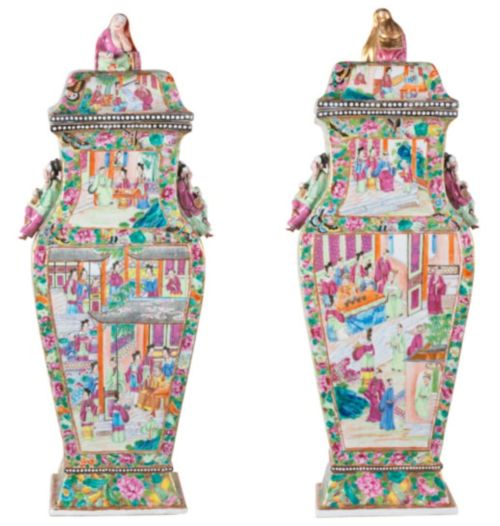
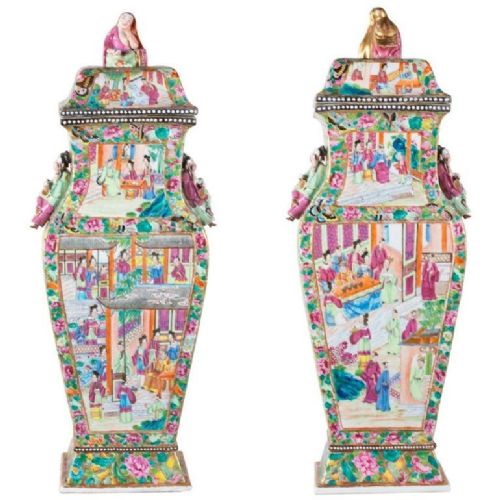
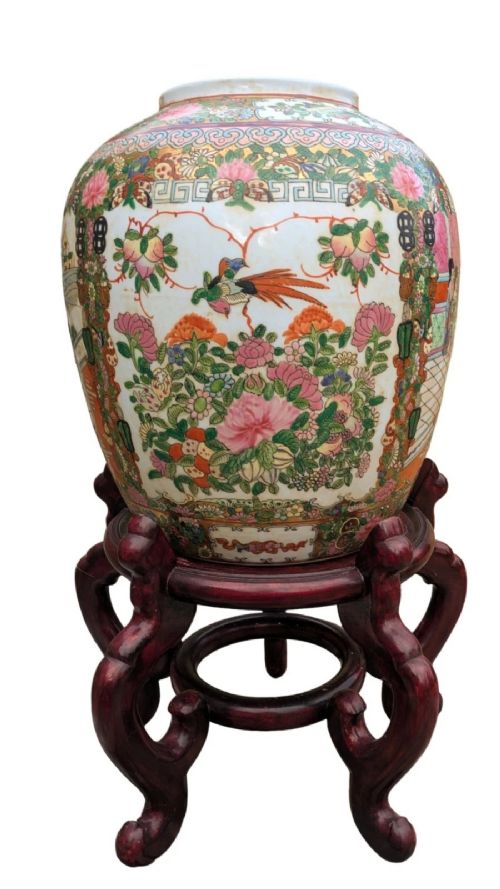
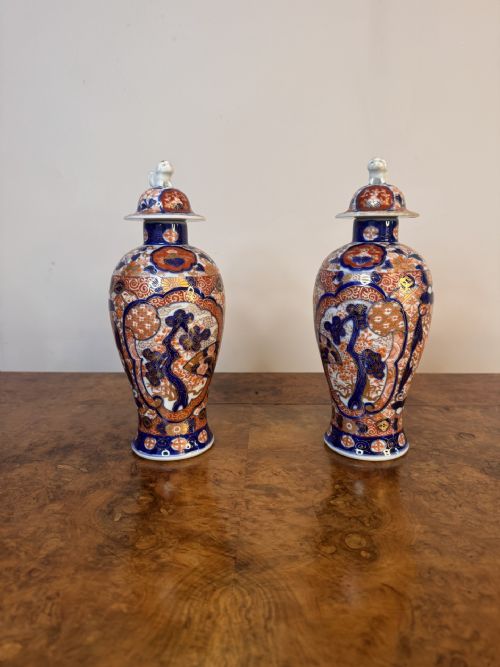
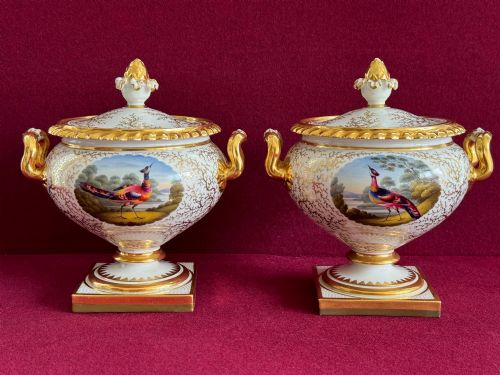
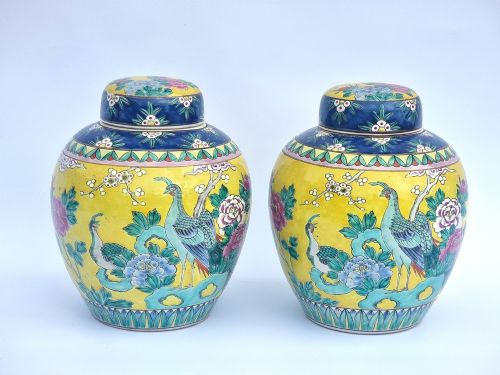
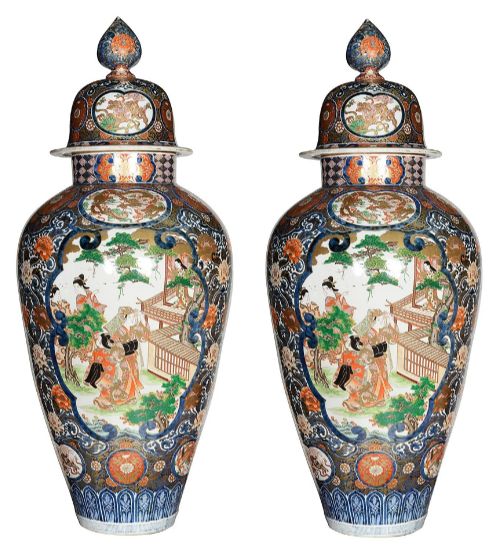
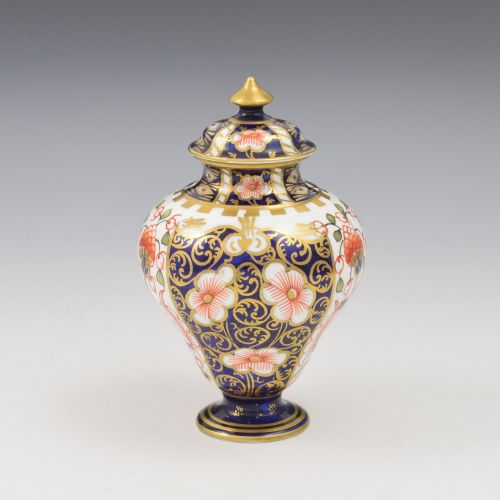
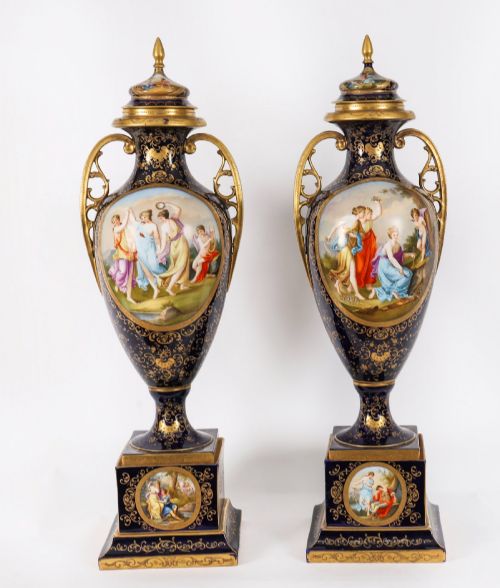
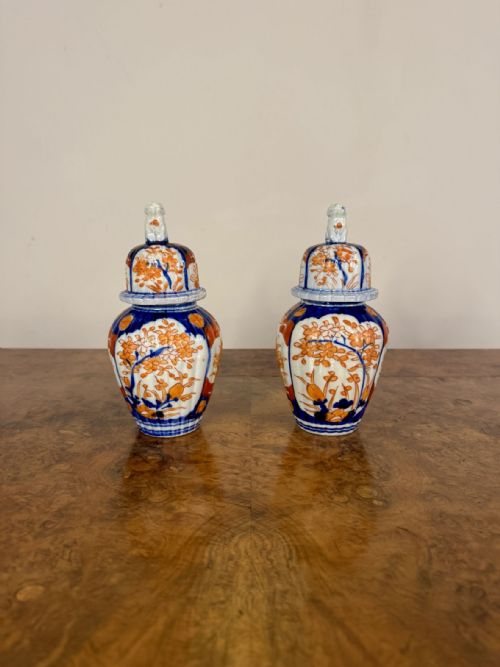
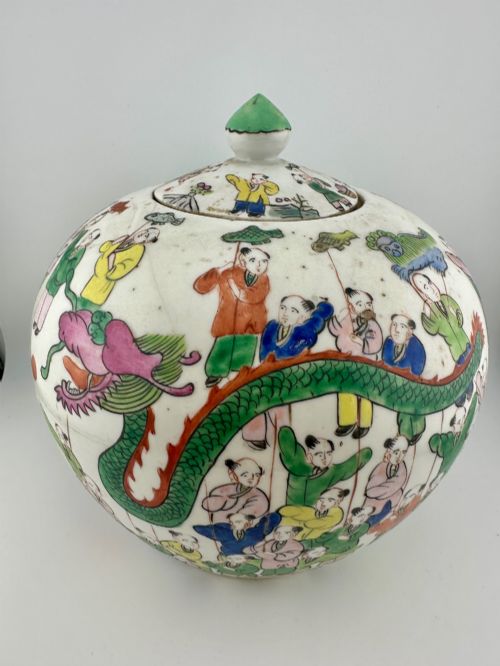
A porcelain urn and cover combines a standing ceramic vessel with a matching lid, appearing in forms such as ginger jars, bough pots, and amphora vases. The selection spans centuries of production, originating from English factories, continental European makers, and East Asian kilns.
Makers shaped these covered vessels for various domestic uses, including potpourri containers, cream tureens, and large floor ornaments. The listings show notable representation from nineteenth-century English manufactories alongside Japanese Imari wares and Chinese export jars.
How They Were Made
Potters formed these bodies from porcelain, earthenware, or ironstone, applying liquid glaze before firing the ceramic in kilns. Artisans then added hand-painted enamel decoration, cobalt blue underglaze, or transfers, frequently finishing details with gold leaf and gilding.
Certain pieces incorporate metal elements, joining ceramic bodies with ormolu mounts or gilt bronze fittings to elevate the stature of the lidded vessel.
Porcelain Urn and Cover Retail Price Guide 2026
Typical asking prices for porcelain urn and cover among the pieces listed under this phrase on Sellingantiques today, from the lower quarter to the upper quarter. They describe what is for sale here now, not the wider market.
Several lidded vessels have spent centuries moonlighting as table lamps before finding their way back to standard urn form.
What Varies in Quality
Differentiation in quality rests upon the crispness of the hand-painted brushwork, the depth of the glaze, and the precision of the gilding. Pieces featuring signed artist work or specific factory marks demonstrate higher execution than standard commercial output.
The sophistication of the modelling, particularly in applied elements such as handles, finials, and mounts, separates ordinary production from finer studio accomplishments.
Flight Barr And Barr·Royal Crown Derby·Samson Paris·Royal Worcester·Samuel Alcock
The Porcelain Urn and Cover Glossary
- Imari
- A style of Japanese export porcelain characterised by a palette of underglaze blue, iron red, and gold, named after the port of shipment.
- Bough pot
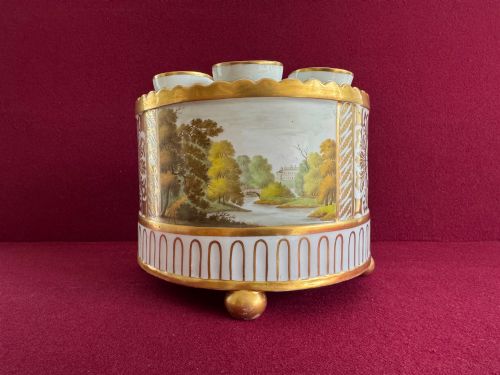
- A specialised vessel designed to hold cut branches or flowers, fitted with a pierced or solid cover.
- Ironstone
- A patented type of heavy earthenware developed in England to imitate porcelain while offering greater durability.
- Ormolu
- Cast brass that has been finished with a fine gold amalgam, often used for decorative mounts on nineteenth-century vessels.
- Amphora
- A classical two-handled jar form with a narrow neck, adapted by European porcelain makers during the nineteenth century.
Porcelain Urn and Cover: Frequently Asked Questions
What were covered urns used for?
Historically, these lidded vessels served practical functions such as holding potpourri, cream, or dried provisions. Many were also produced purely as decorative ornaments for mantelpieces and side tables.
The fitted covers kept contents enclosed or preserved aromatic blends while maintaining symmetrical decorative lines within a room.
How do I date a porcelain urn?
Dating relies upon identifying factory marks, stylistic periods, and the characteristics of the glaze and pigments. Reference sources help link specific pattern numbers and monograms to active production years.
Changes in ceramic bodies, from early soft-paste porcelain to later ironstone and bone china, provide further chronological clues.
Where should I display my urn?
These vessels suit prominent surfaces where their height and painted decoration can be appreciated, such as console tables, cabinets, or mantelpieces. Pairs work well arranged symmetrically to frame a focal point.
Placing them away from direct foot traffic prevents accidental knocks to lids and delicate handles.
How do I clean my lidded vase?
Dusting gently with a soft, dry brush or cloth is generally sufficient for regular maintenance. Avoid using harsh chemical cleaners or abrasive materials that might damage painted surfaces or wear away gilding.
If washing is necessary, use lukewarm water and mild soap, ensuring the piece is dried thoroughly afterward.