



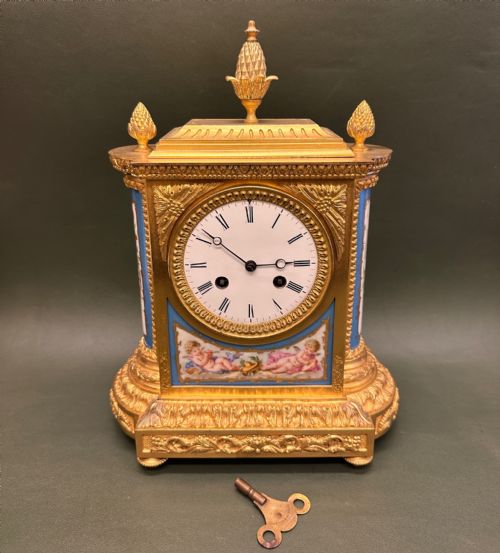


Porcelain Mounted Mantel Clock
These porcelain mounted mantel clock pieces combine precision timekeeping with intricate ceramic panels, offering a striking centrepiece for any room.
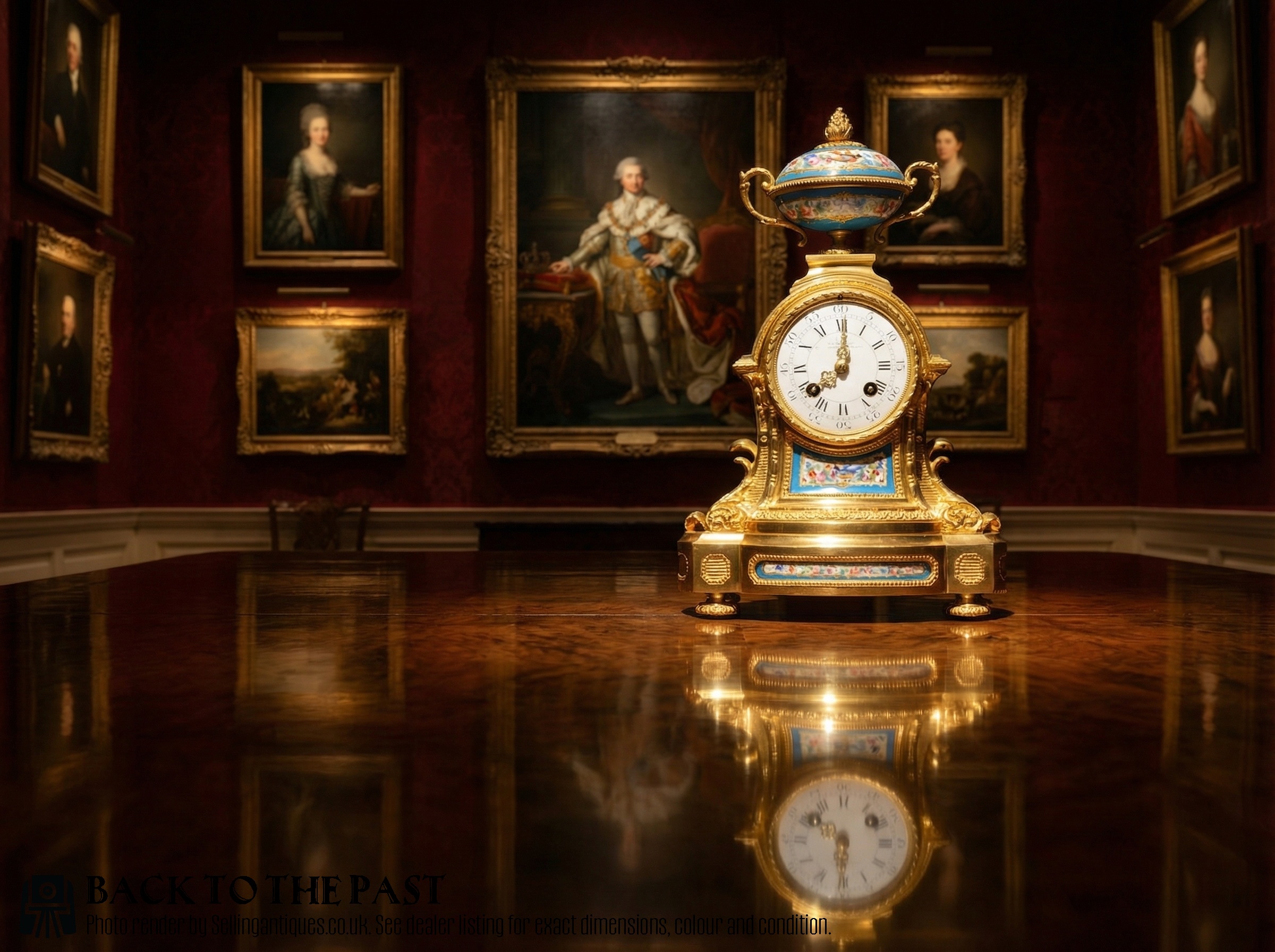
Porcelain Mounted Mantel Clock
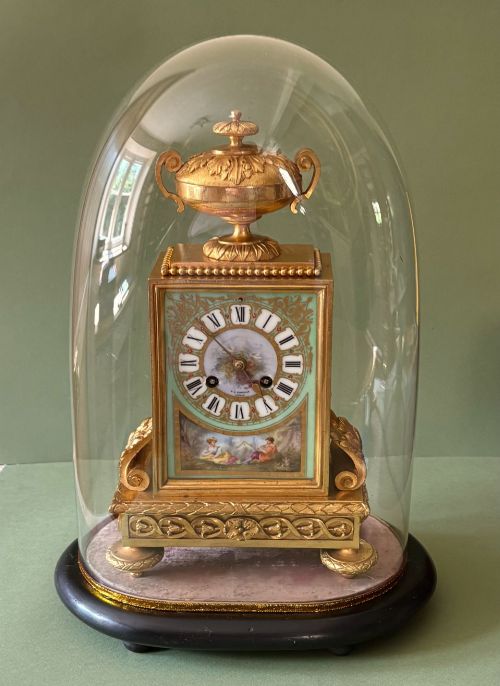
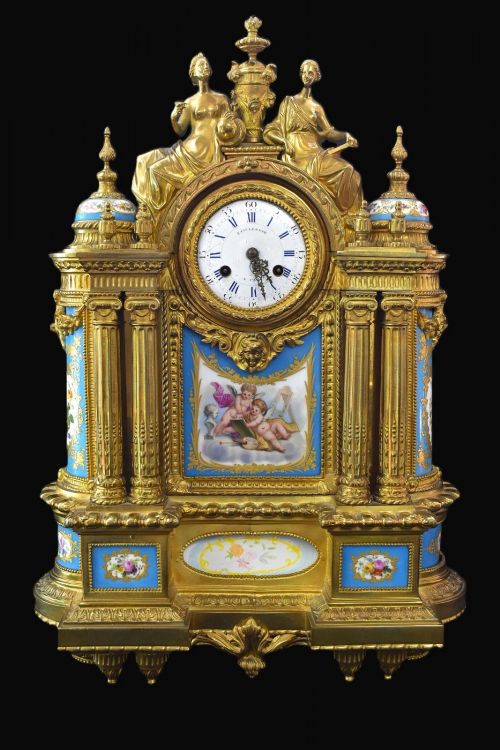
A porcelain mounted mantel clock brings together metalwork and painted ceramics, primarily originating from nineteenth century French makers and Victorian workshops. You will frequently encounter styles spanning the Victorian era, French Rococo Revival, Louis XVI Revival, and Napoleon III periods, often taking the form of mantel clocks or three piece garniture sets.
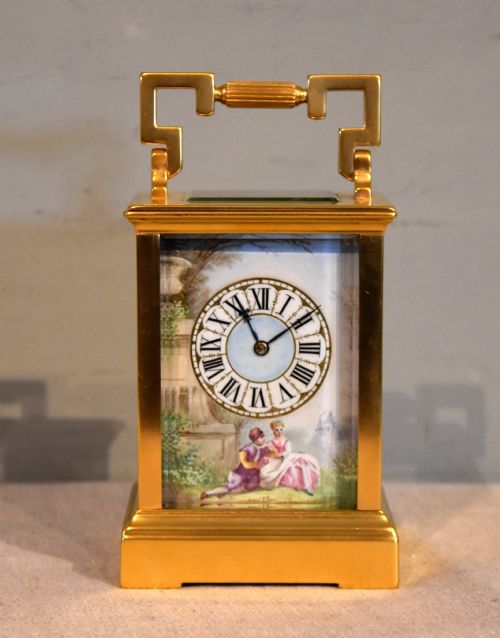
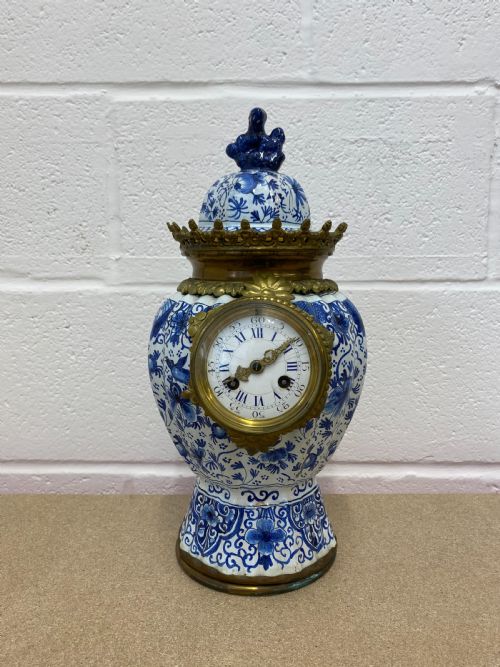
The objects combine heavy mounts with decorative ceramic faces, urns, or panels, sometimes incorporating Delftware, Imari, or Paris porcelain alongside enamel dials. Pieces range from large architectural ormolu examples to smaller carriage timepieces and boudoir clocks, reflecting diverse nineteenth century tastes.
The selection includes specific regional variations, such as Chinese blue and white porcelain or Vienna porcelain mounted within gilt bronze frames. These domestic timepieces served both practical and decorative functions in period interiors, remaining sought after for their elaborate craftsmanship.
Materials and construction methods
Craftsmen built these timepieces using heavy bronze, brass, and ormolu mounts to frame delicate ceramic components. Gilt bronze and brass structures provide the rigid architectural support required for intricate metal casting and chasing.
Porcelain panels, urns, and dials were hand-painted, glazed, and fired before integration into the metal frames. Enamel dials and glass covers protect the internal clockwork while complementing the surrounding ceramic and metal elements.
Materials commonly recorded include ormolu, gilt bronze, marble, and diverse ceramic types.
Distinctions in craftsmanship and execution
The precision of the ormolu chasing and the crispness of the bronze casting define the upper tier of these pieces. Smoother, more deeply articulated metalwork separates finer workshops from standard production items.
The artistry on the porcelain panels also dictates overall merit, with hand-painted details showing greater depth than transfer-printed alternatives. Integrated garniture sets and signed movements further distinguish exceptional examples from standard mantel clocks.
Etienne Lenoir·JP Delettrez·Miroy Frères·J.B. Delettrez
The Porcelain Mounted Mantel Clock Glossary
- Ormolu
- Gilded bronze, where a layer of gold is applied to a bronze base using mercury or electroplating. This technique produces a bright, durable finish common in French decorative arts.
- Garniture set
- A matched group of decorative objects, typically comprising a central clock flanked by two matching vases or candelabra. They were designed to sit symmetrically on a mantelpiece.
- Sevâres style
- Porcelain decorated in the manner of the famous French factory, often featuring rich blue grounds with hand-painted gilt highlights and pastoral scenes. It denotes an aesthetic rather than a direct factory origin.
- Carriage timepiece
- A portable clock with a carrying handle, glass panels, and a platform escapement. They were designed for travel during the nineteenth century.
- Lyre clock
- A clock shaped like the ancient musical instrument, featuring an open frame that resembles a lyre. These often incorporate porcelain bodies and ormolu mounts.
Porcelain Mounted Mantel Clock: Frequently Asked Questions
What is a porcelain mounted mantel clock?
A porcelain mounted mantel clock is a decorative timepiece that incorporates ceramic panels, urns, or faces into a metallic frame made of ormolu, bronze, or brass.
These objects gained popularity during the nineteenth century in France and Britain, serving as both functional clocks and ornamental centerpieces for domestic interiors.
How do I wind the clock?
Winding typically involves inserting a matching key into specific winding arbors on the enamel dial and turning gently until resistance is felt.
Care must be taken not to overwind the mainspring, as this can damage the internal mechanical movement.
How do I identify the period?
Period identification relies on examining the casting style, the type of porcelain used, and signatures or maker marks stamped on the movement backplate.
Stylistic cues such as Louis XVI Revival or Napoleon III design elements help narrow down the decade of manufacture between 1850 and 1900.
Where should I place it?
These clocks are best positioned on a stable, level surface away from direct sunlight, extreme temperature fluctuations, and high moisture areas.
Because many are heavy or include delicate porcelain and glass components, a secure mantelpiece or sturdy console table provides the ideal setting.