

Porcelain Figurine Statue
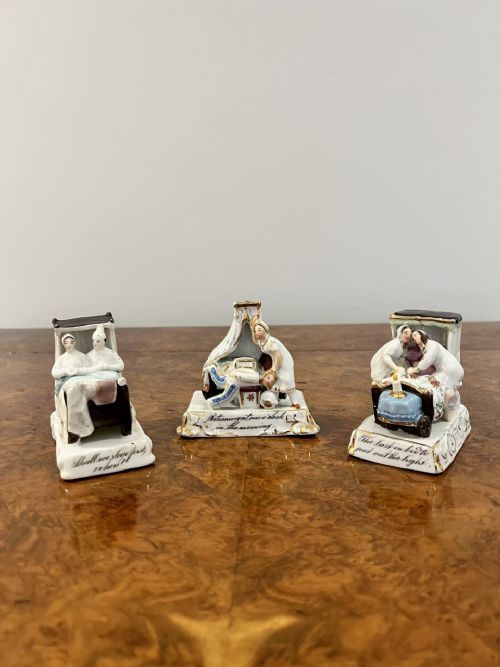
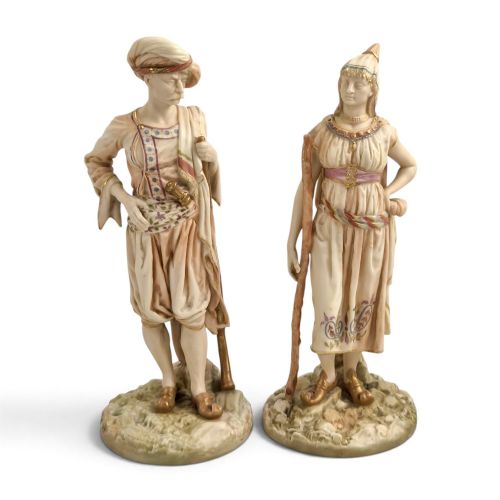
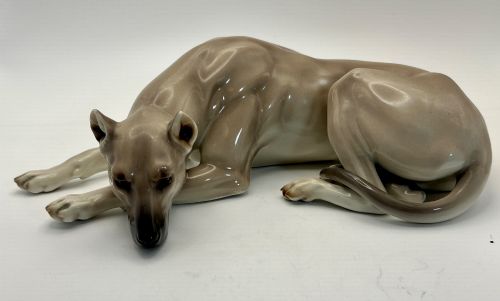
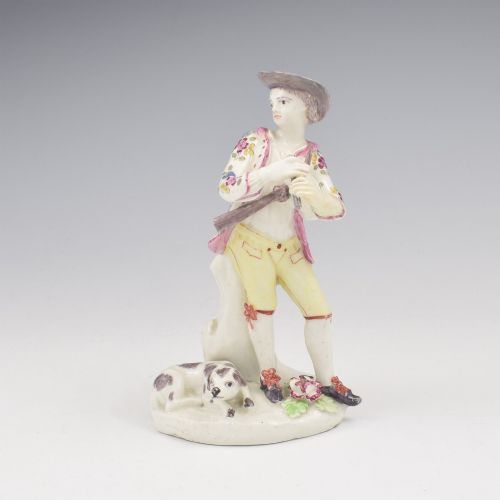
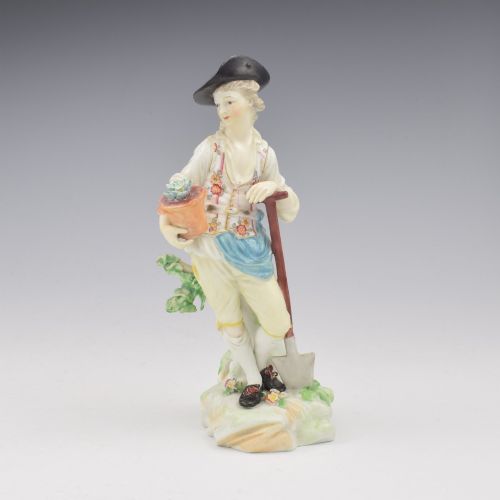
When you search for a porcelain figurine statue, you enter a world of modelled figures and sculptural groups created across centuries of ceramic history.
Porcelain Figurine Statue
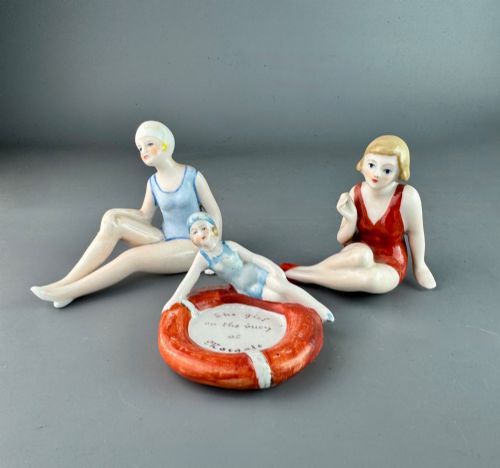
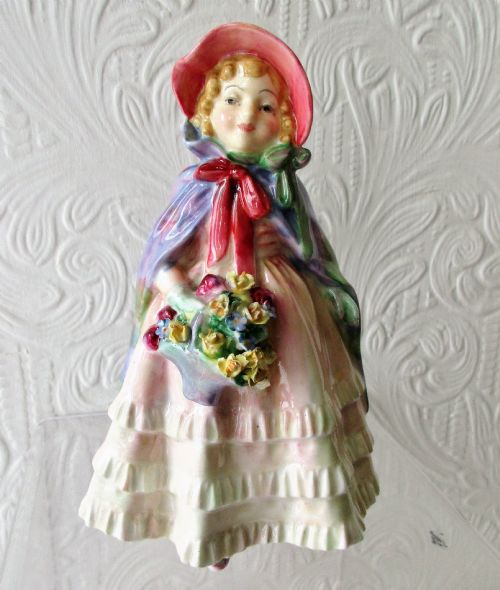
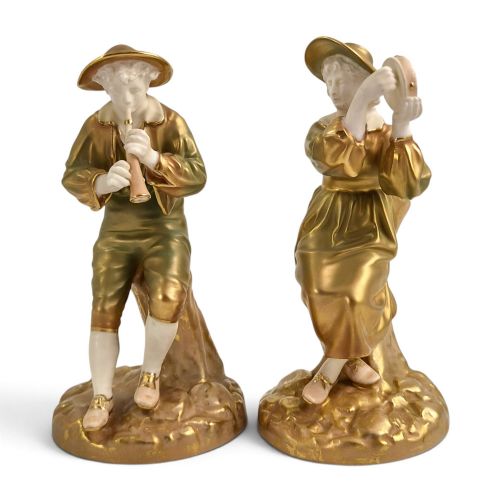
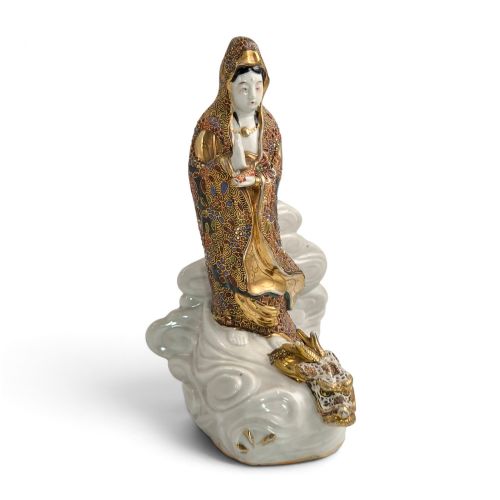
The selection on this page draws together pieces from diverse origins including Japanese Kutani and Arita kilns, German factories such as Meissen and Volkstedt, and English potteries like Royal Doulton and Royal Worcester. These objects function primarily as decorative cabinet pieces or mantel ornaments, displaying specific stylistic traits of the Victorian, Edwardian, and Art Deco eras.
How they were made
Makers shaped these porcelain figurine statues using liquid slip cast into moulds or through intricate hand-modelling in clay bodies. The pieces were then fired at high temperatures to achieve a durable ceramic structure.
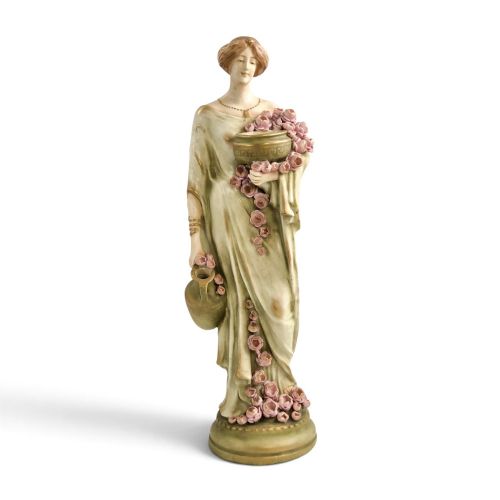
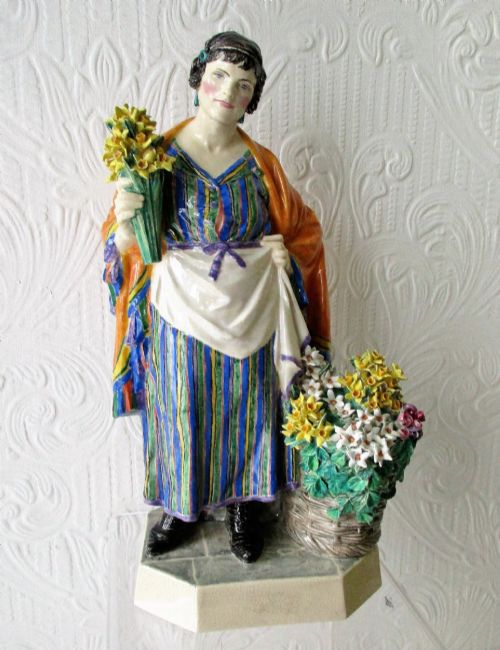
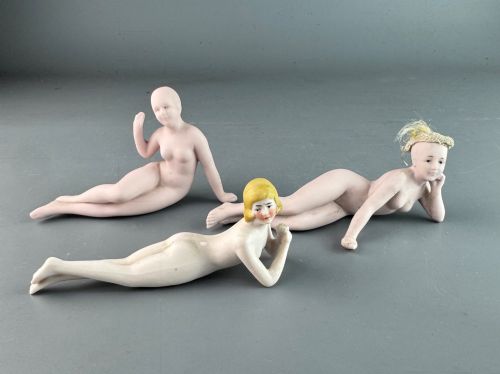
Surface decoration frequently involves hand-painted enamels, gilding with gold leaf, and applied details such as moriage or delicate floral garlands. Many unglazed examples rely on biscuit porcelain or parian ware to accentuate the sculptural form through matte textures rather than coloured glaze.
Porcelain Figurine Statue Retail Price Guide 2026
Typical asking prices for porcelain figurine statue among the pieces listed under this phrase on Sellingantiques today, from the lower quarter to the upper quarter. They describe what is for sale here now, not the wider market.
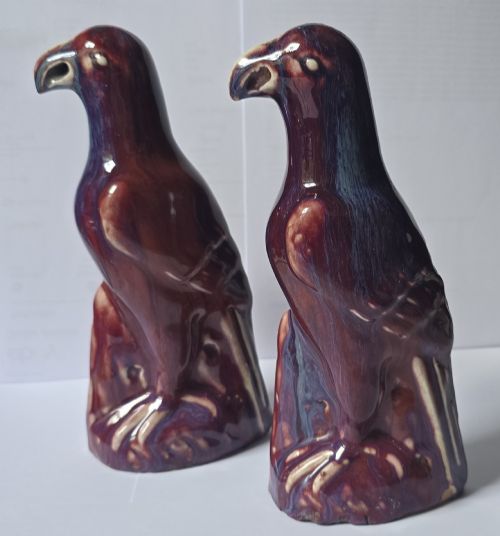
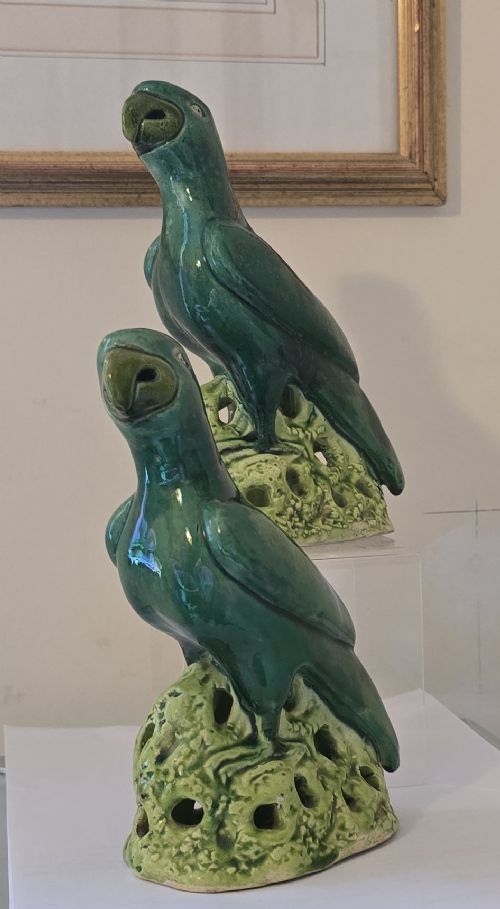
Parrots perch steadfastly across multiple centuries of porcelain production, watching room occupants with unwavering ceramic expressions.
What varies in quality
The application of pigment and the precision of the firing process also determine excellence. Superior pieces display smooth glaze surfaces without kiln flaws, subtle control of enamel colours, and intact applied decorative elements such as delicate foliage or lace.
Royal Worcester·James Hadley·Luca Madrassi·Royal Doulton·Karl Ens·Nymphenburg·Volkstedt Rudolstadt Factory·John Bevington
The Porcelain Figurine Statue Glossary
- Parian ware
- A fine-grained, unglazed porcelain developed in the nineteenth century to imitate white marble. It was frequently utilised for classical figure groups and portrait busts.
- Biscuits
- Unglazed porcelain that has been fired once, producing a matte, porous surface resembling marble. It is also known as bisque.
- Moriage
- A decorative technique associated with Japanese ceramics where slip is piped onto the surface to create raised designs. This method often appears in combination with enamel and gilding.
- Blanc-de-Chine
- A term applied to white porcelain produced at Dehua in China, celebrated for its milky glaze and smooth, uniform body. Pieces typically depict religious or mythological figures.
- Enamel
- Vitreous colours applied over the glaze or fired onto the surface of the ceramic body. These pigments provide the vibrant hues seen on garments and naturalistic details.
Porcelain Figurine Statue: Frequently Asked Questions
What is parian ware?
Parian ware is a specific type of unglazed white porcelain designed to resemble carved marble. It gained immense popularity during the Victorian era for reproducing classical sculptures and literary groups.
The material allows for sharp surface details and a matte finish that highlights the modelling work of the sculptor without the distraction of glossy coloured glazes.
How do I care for antique figures?
Antique porcelain figures require gentle handling and placement away from direct sunlight and heavy foot traffic. Dust them regularly with a soft, dry brush to prevent dirt accumulation on delicate surfaces.
Avoid using water or chemical cleaners, particularly on pieces with applied elements or delicate enamels, as moisture can damage fragile joints and old repairs.
Are Meissen figures marked?
Meissen figures generally feature underglaze blue crossed swords on the base, a mark introduced in the eighteenth century to indicate factory origin. Variations in the mark help specialists date the production period.
Some early or specific pieces may also include press numbers, painter ciphers, or incised model numbers that correspond to factory ledgers.
What subjects are most common?
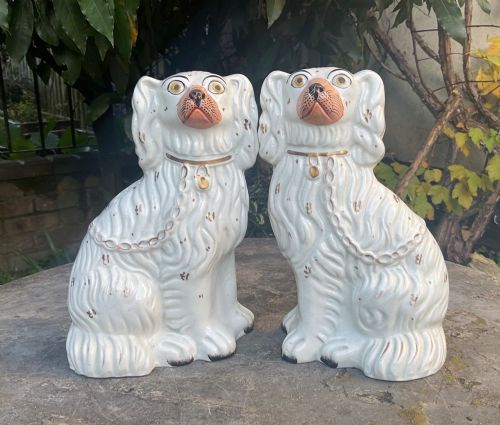
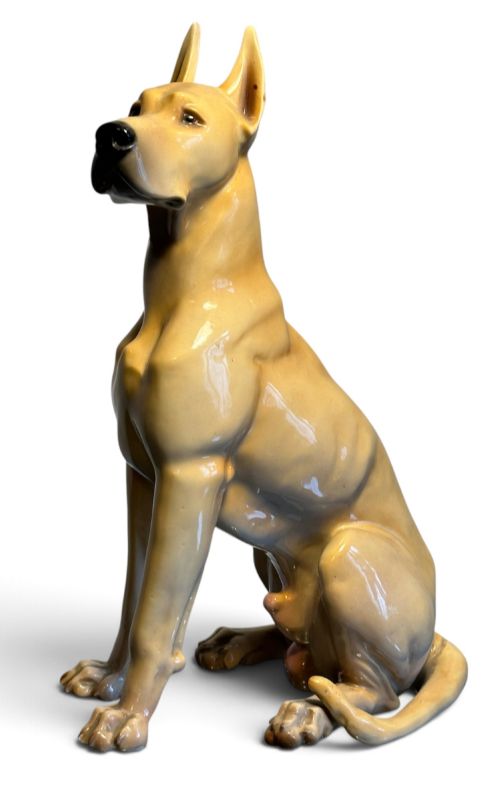
Common subjects include pastoral couples, allegorical figures representing the seasons, literary characters, and domestic animals such as parrots and dogs. Human representations often draw from mythology, historical events, or contemporary genre scenes.
Figurines also reflect regional traditions, from Japanese deities and courtesans to European gallant figures and Victorian military leaders.