


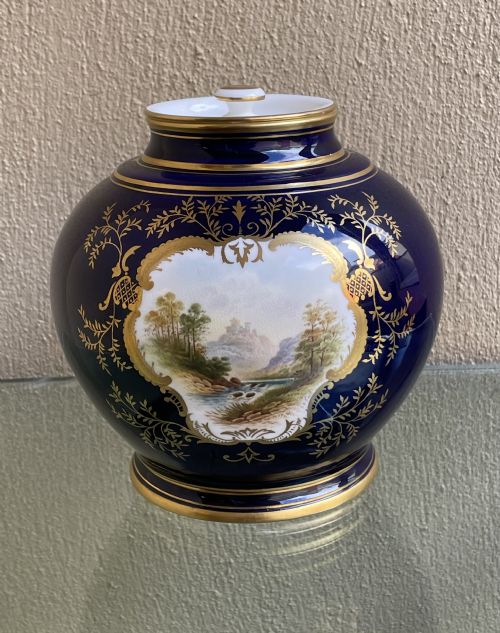


Porcelain Display Urns
Porcelain display urns bring decorative presence to a room, offering grand forms and painted surfaces produced across European and Asian workshops.
Porcelain Display Urns
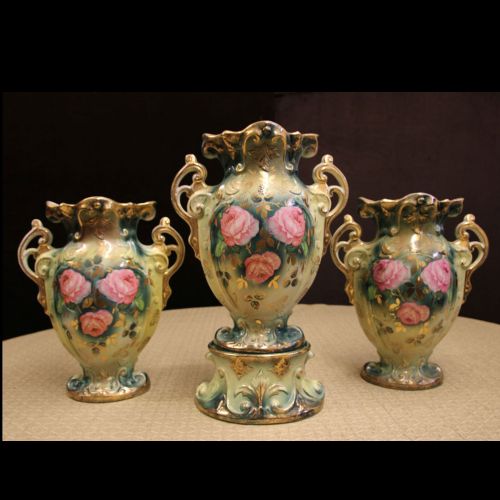
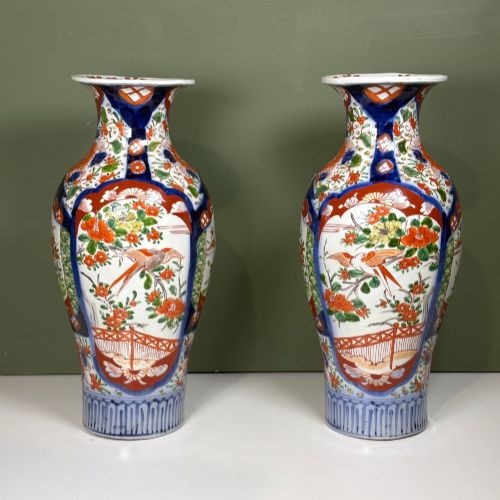
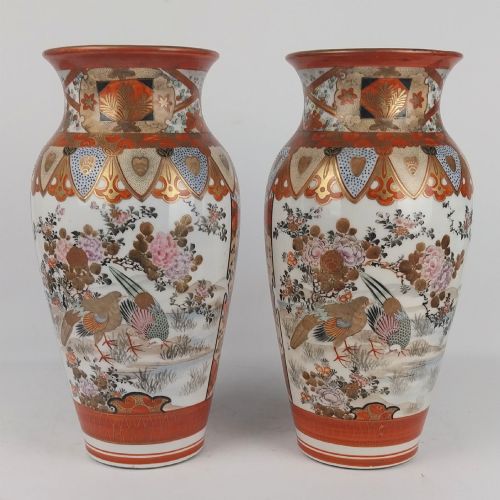
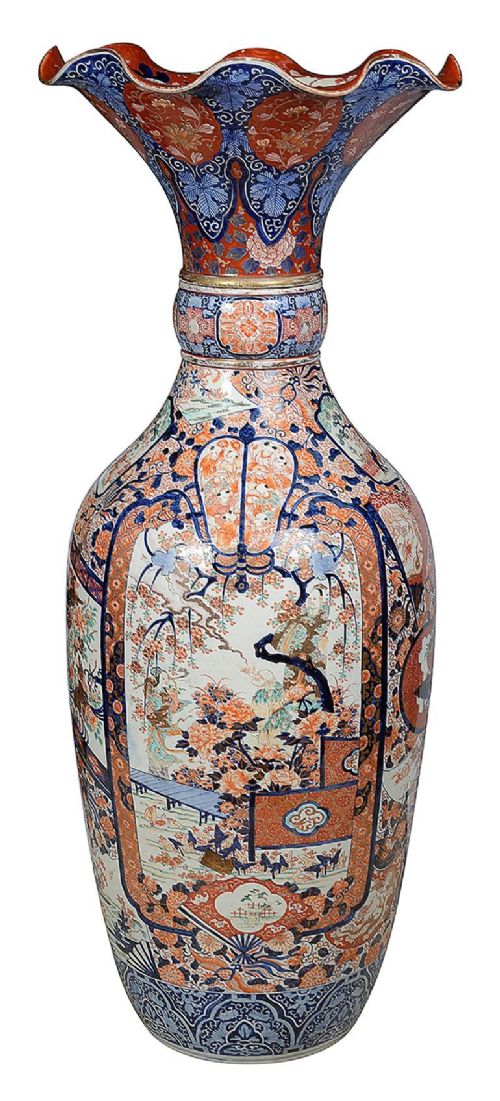
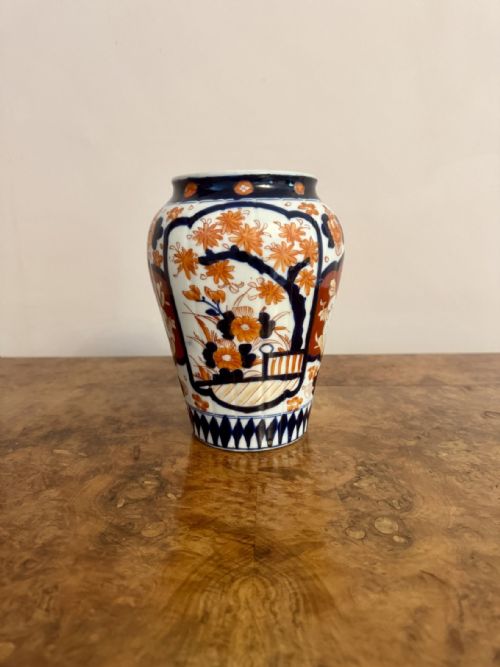
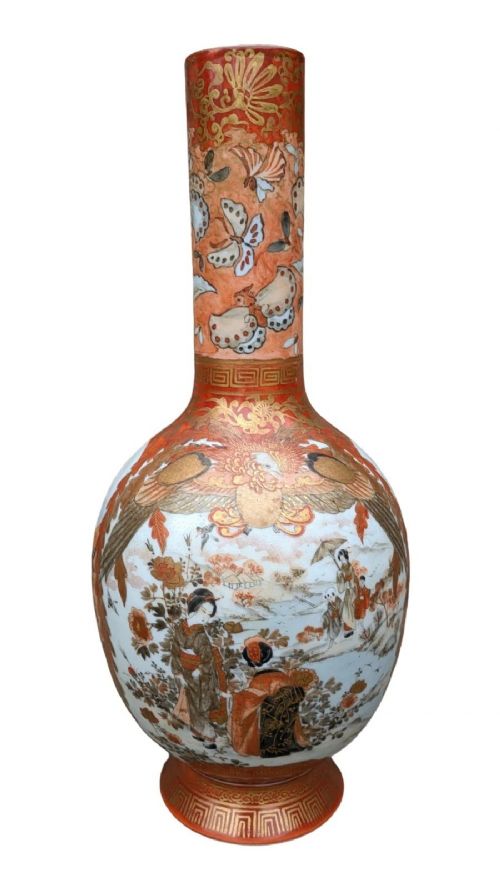
Porcelain display urns encompass large decorative vases, lidded jars, and monumental vessels designed primarily for visual impact rather than practical utility. When exploring porcelain display urns, buyers frequently encounter substantial Japanese Imari and Satsuma ceramics alongside European factory productions from the nineteenth century.
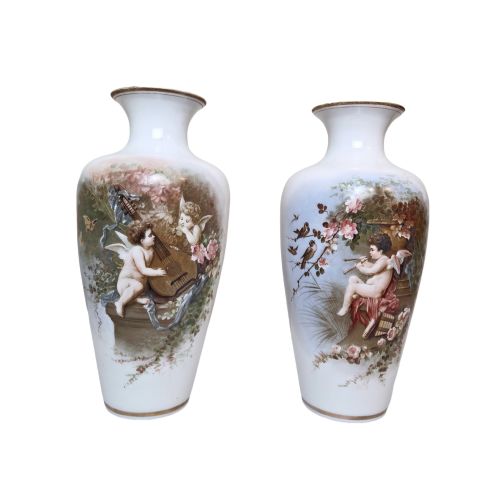
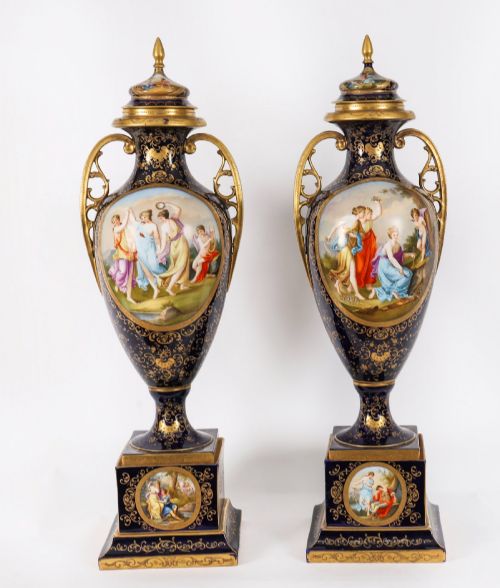
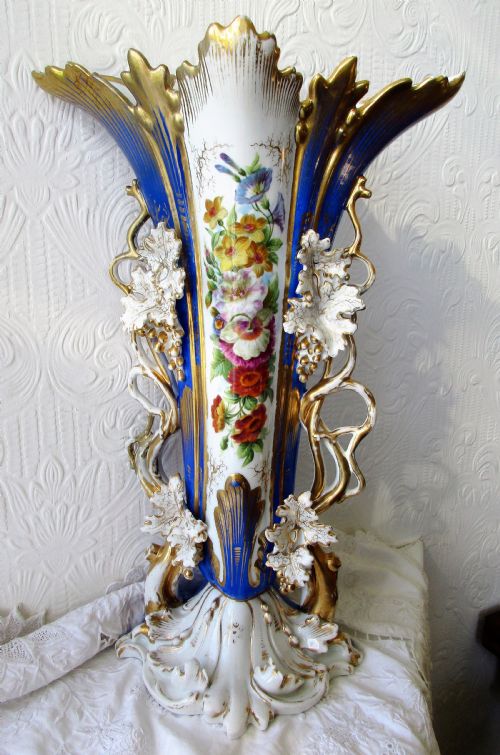
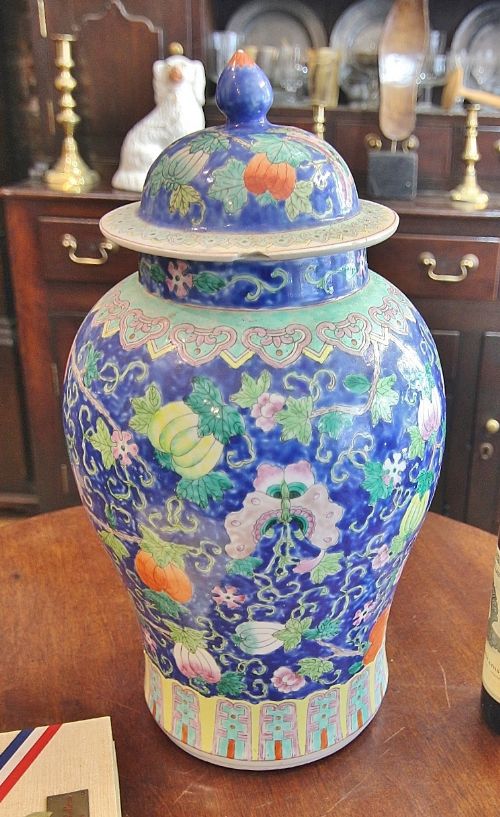
The selections span distinct periods from the seventeenth century onward, featuring Japanese Meiji period creations, Chinese Qing dynasty jars, and English or continental porcelain. Forms range from towering floor-standing shapes down to miniature cabinet pieces, often supplied in matched pairs.
Materials and Techniques
Potters shaped these vessels from fine ceramic bodies, applying complex glazes, underglaze cobalt blue, and overglaze enamel pigments before firing. Workshops enhanced the surfaces with extensive hand-painting, raised moriage relief work, and applied gold leaf or gilding.
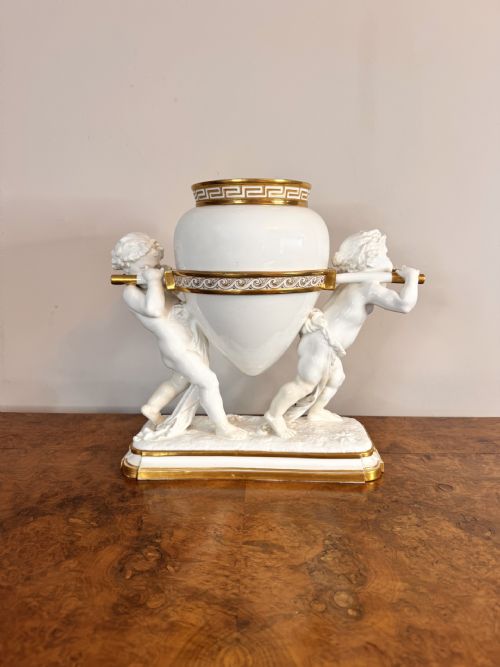
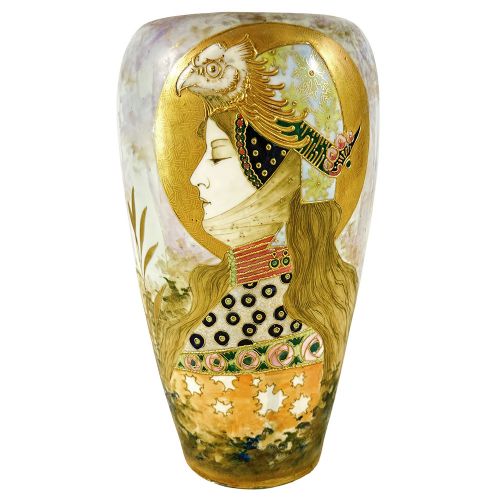
European makers utilised specialised techniques such as pate-sur-pate, building up translucent layers of slip to create cameo-like reliefs on coloured grounds. Japanese kilns relied on precise brushwork and local mineral pigments to define intricate figurative and floral panels.
Porcelain Display Urns Retail Price Guide 2026
Typical asking prices for porcelain display urns among the pieces listed under this phrase on Sellingantiques today, from the lower quarter to the upper quarter. They describe what is for sale here now, not the wider market.
Listings feature porcelain display urns from the seventeenth century through the early twentieth century, spanning English, European, and Japanese traditions.
Evaluating Quality
Quality rests upon the crispness of the hand-painted detail, the precision of the gilding, and the architectural balance of the vessel's form. Superior pieces exhibit deliberate, confident brushwork in complex figural scenes rather than mechanical transfer printing.
The depth and brilliance of the enamel colours and the preservation of delicate raised relief elements or handles separate standard production items from exhibition-grade works. Signed pieces from documented workshops or notable artists command greater consideration for their recorded provenance.
Reissner Stellmacher and Kessel·Royal Vienna·Coalport·Minton·Royal Worcester
The Porcelain Display Urns Glossary
- Imari
- A style of Japanese export porcelain characterised by a palette of underglaze blue, iron red, and gold. These pieces were produced in Arita and shipped through the port of Imari.
- Satsuma
- Earthenware pottery from Japan featuring a finely cracked ivory glaze decorated with intricate polychrome enamels and gold. Production expanded significantly during the Meiji period for international export.
- Moriage
- A decorative technique in Japanese ceramics where slip is piped onto the surface to create raised textural designs. This method often frames detailed court scenes or floral motifs.
- Pate-sur-pate
- A ceramic manufacturing method where successive layers of liquid white porcelain slip are painted onto a coloured clay body. The technique builds a low relief design with subtle translucent effects.
- Doucai
- A Chinese porcelain decorating technique combining underglaze blue outlines with overglaze polychrome enamels. The painted designs are filled in and fired a second time at a lower temperature.
Porcelain Display Urns: Frequently Asked Questions
How were display urns used?
These large vessels served as ornamental focal points within nineteenth-century interiors, placed on mantelpieces, pedestals, or dedicated tables.
They functioned primarily as decorative statements of wealth and taste rather than functional containers for cut flowers.
How do I identify Meiji period Satsuma?
Look for a finely crazed creamy earthenware glaze combined with dense polychrome enamel painting and gilt highlights. Many pieces feature signature panels on the base naming the studio or artist.
Subject matter often includes traditional court processions, samurai, or dense floral compositions typical of late nineteenth-century Japanese export wares.
What is the difference between Imari and Kutani?
Imari wares rely on a distinct palette dominated by underglaze cobalt blue, iron red, and abundant gold gilding on porcelain bodies. Their patterns frequently incorporate brocade motifs and panels of natural subjects.
Kutani ceramics utilise a wider range of vibrant enamel colours, often featuring deep greens and golds, executed on heavier earthenware or porcelain bodies.
How should I display large porcelain urns?
Position monumental floor vases or heavy urns on stable, level surfaces away from high-traffic pathways to prevent accidental impacts. Pairing pieces symmetrically on either side of a fireplace or entryway echoes historical interior arrangements.