






Porcelain Display Bowl
These porcelain display bowl pieces bring hand-painted motifs and rich glazes from centuries of global kilns straight into a room.
Porcelain Display Bowl
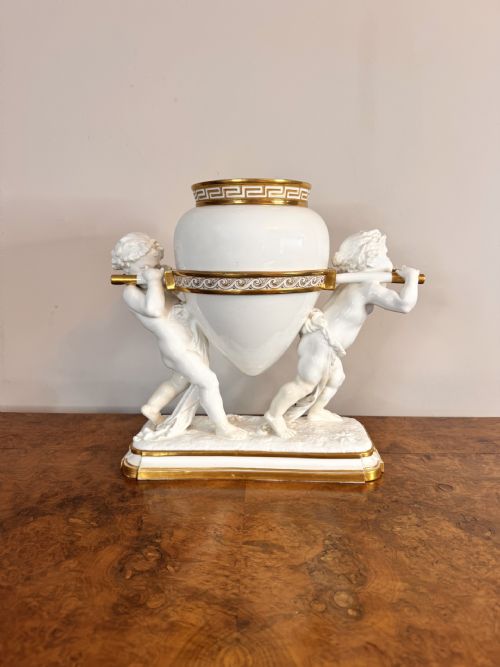
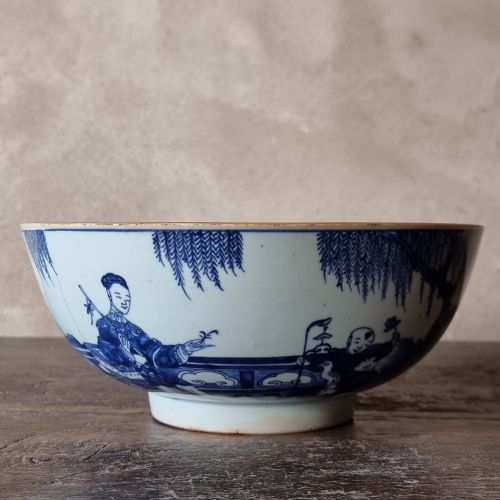
A porcelain display bowl is a decorative vessel intended for visual appreciation rather than daily utility, appearing across this page in forms such as punch bowls, cabinet dishes, and centre bowls. Buyers searching for a porcelain display bowl encounter historic items spanning the eighteenth through the early twentieth centuries, originating from diverse traditions like Japanese Imari, Chinese export ware, and English factories.
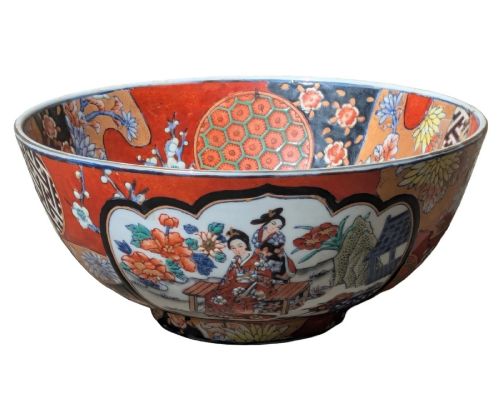
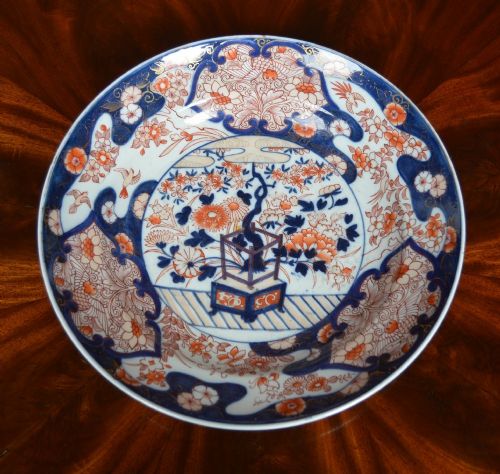
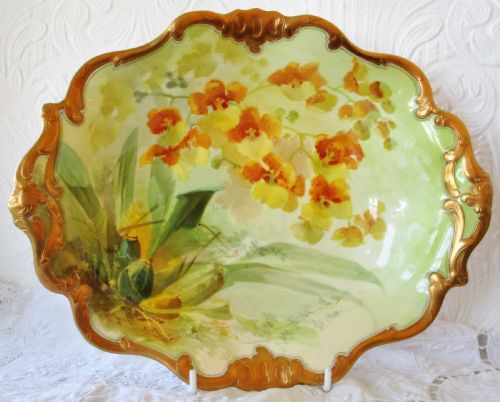
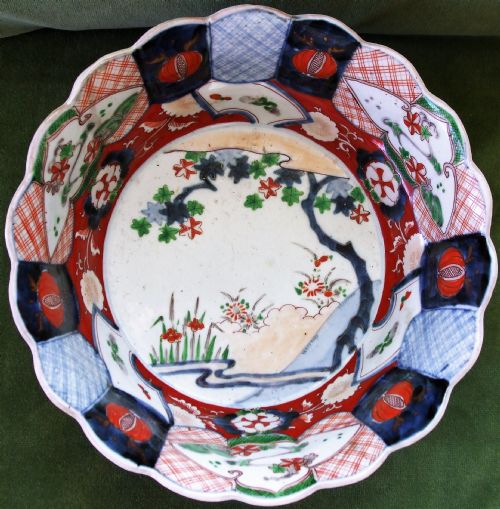
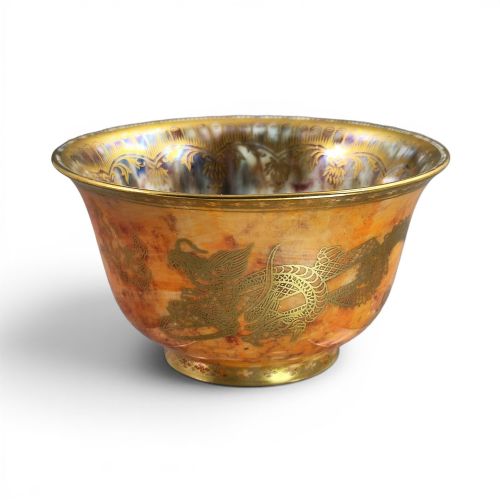
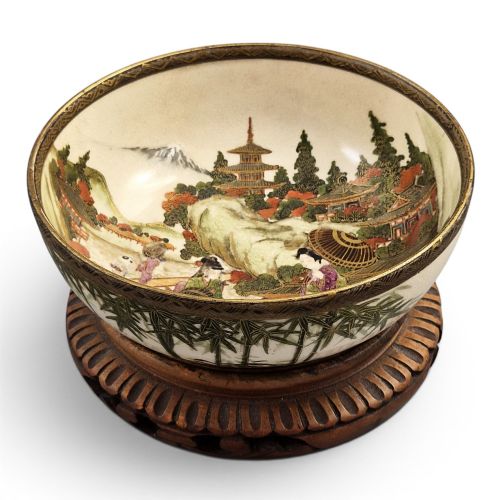
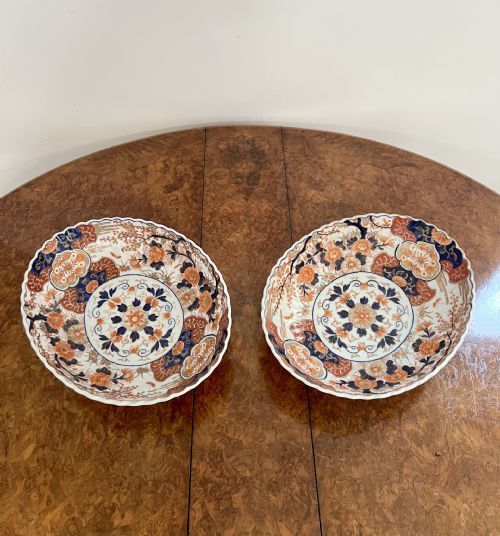
The most common examples on this platform are Japanese Imari bowls and plates featuring scalloped edges and distinct cobalt blue and iron red palettes alongside Chinese porcelain bowls decorated in famille rose enamels. Pieces range from large nineteenth-century centre vessels to delicate Edwardian lustre bowls, often accompanied by matching stands or saucer sets.
How they were made
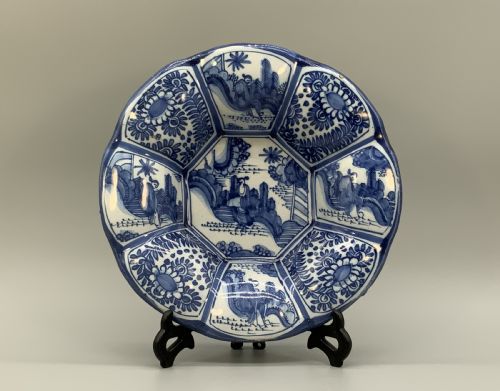
Potters built these vessels using fine ceramic pastes fired at high temperatures to achieve durable porcelain and earthenware bodies, which were then coated in translucent or opaque glazes. Artisans applied cobalt blue pigments under the glaze before firing, or added overglaze enamels, gold leaf, and elaborate gilding in subsequent low-temperature firings.
Specialised techniques varied by region and era, from the crackled earthenware glazes of Satsuma wares to the intricate lustre formulas developed by English potteries like Wedgwood. Painters utilised fine brushes to execute detailed botanical, figurative, and geometric motifs across the curved surfaces of plates, bowls, and dishes.
Porcelain Display Bowl Retail Price Guide 2026
Typical asking prices for porcelain display bowl among the pieces listed under this phrase on Sellingantiques today, from the lower quarter to the upper quarter. They describe what is for sale here now, not the wider market.
Listings feature porcelain display bowl items spanning the seventeenth to the twentieth centuries, with Japanese Imari and Chinese export wares forming the largest groups.
What varies in quality
Quality separates through the precision and delicacy of the hand-painted brushwork, where master artists achieved crisp outlines, balanced compositions, and vivid enamel saturation without muddying. Superior vessels display cleanly potted forms with uniform glaze coverage and minimal kiln imperfections, whereas simpler productions show heavier lines and minor pooling.
The sophistication of the palette and the presence of artist signatures or specific kiln marks indicate higher execution standards, particularly in Satsuma and Imari pieces. Furthermore, the crispness of moulded elements such as scalloped rims, lobed panels, and tripod feet distinguishes standard domestic items from exhibition-grade works.
Royal Doulton·Wedgwood·Kinkozan Kyoto·Royal Worcester·Coalport·Samson Of Paris
The Porcelain Display Bowl Glossary
- Imari
- A style of Japanese porcelain featuring a tripartite palette of underglaze cobalt blue, iron red, and added gold highlights. This decorative tradition originated in Arita and gained immense popularity across European export markets.
- Famille Rose
- A prominent palette of Chinese porcelain enamels dominated by opaque pink or rose colours, introduced during the Qing dynasty. Artisans applied these soft tones to render intricate floral and figurative scenes.
- Lustre
- A type of ceramic glaze containing metallic oxides that produce an iridescent, shimmering surface effect when fired in a reduced oxygen atmosphere. Wedgwood famously utilised this technique on early twentieth-century decorative vessels.
- Cabinet Dish
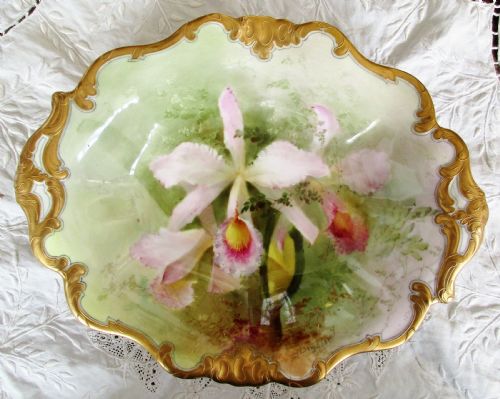
- A shallow decorative plate or bowl intended for display inside a glass-fronted cabinet rather than for serving food. These pieces frequently showcase elaborate hand-painted botanical or pictorial subjects.
- Satsuma Ware
- A type of Japanese earthenware characterised by a pale, ivory-coloured cracked glaze decorated with finely detailed polychrome enamels and raised gold. Kyoto workshops produced many of the most elaborate examples.
Porcelain Display Bowl: Frequently Asked Questions
What is a porcelain display bowl?
A porcelain display bowl is an ornamental ceramic vessel created primarily for visual presentation rather than everyday dining use. These pieces feature hand-painted glazes, enamels, and gilding from various historic periods.
They serve as focal points on tables, sideboards, or within cabinets, showcasing traditional craft techniques from Europe and Asia.
How do I identify Japanese Imari?
Japanese Imari is readily identified by its characteristic colour scheme combining deep underglaze cobalt blue and vibrant iron red, frequently accented with gold leaf. The porcelain bodies often feature distinctive scalloped or lobed edges.
These patterns draw inspiration from traditional Japanese textile designs and were produced extensively in the Arita region for both domestic and export markets.
Where should I place a display bowl?
Display bowls look best positioned on stable flat surfaces where adequate lighting highlights their surface glazes and painted details. Many larger examples include carved wooden stands that elevate the vessel and protect furniture.
Placing them away from direct foot traffic ensures the safety of delicate edges and overglaze enamel decorations over time.
What does Satsuma mean?
Satsuma refers to a distinct style of Japanese pottery featuring a warm, ivory-coloured earthenware body covered in a fine network of crackled glaze. These surfaces provide a canvas for dense polychrome and gilt decoration.
Historically associated with the Satsuma province, the finest examples were later produced in urban centres like Kyoto by master workshops.