
Polychrome Tin Glazed Ceramic
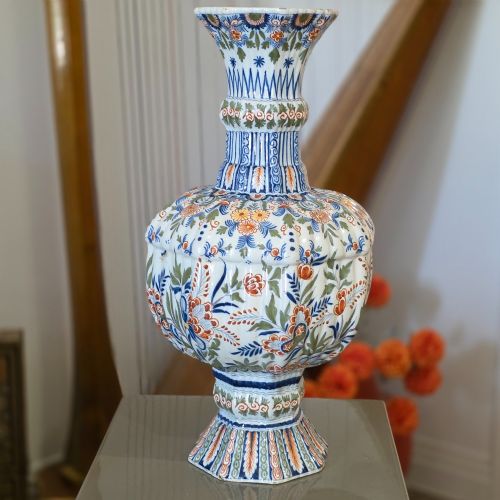
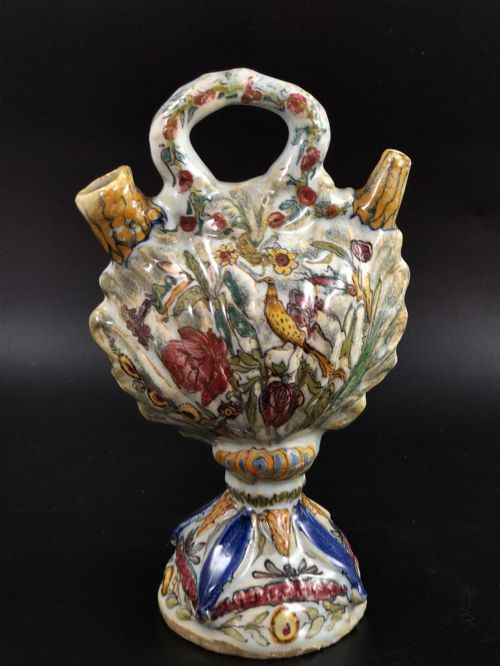
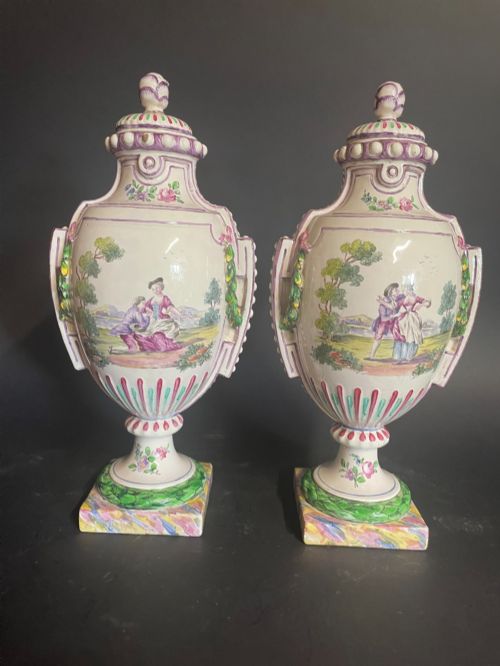
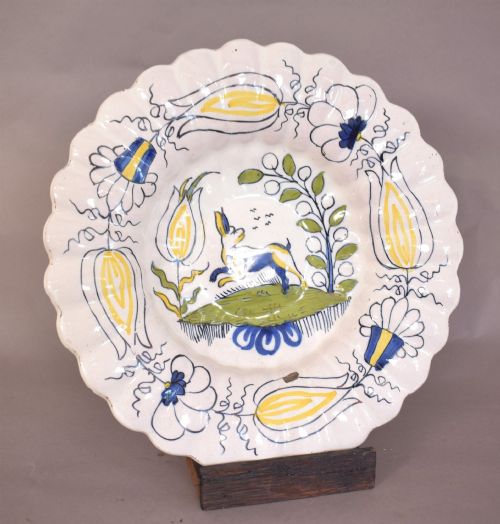
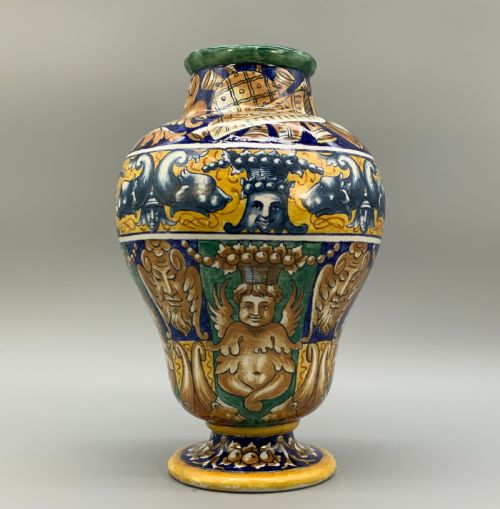
These pieces of polychrome tin glazed ceramic bring together hand-painted pigment and opaque white glaze on earthenware bodies from across European centres.
Polychrome Tin Glazed Ceramic
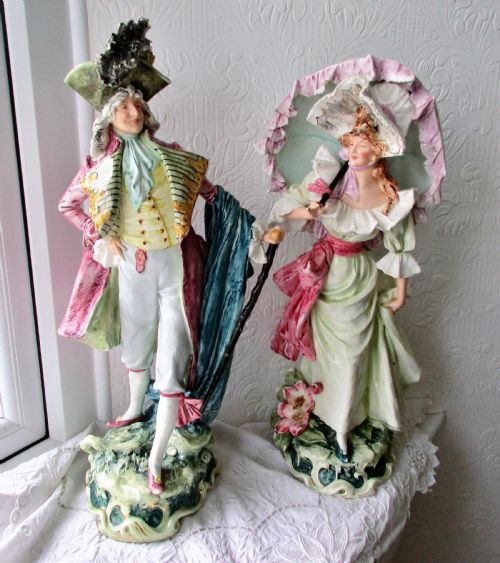
When you search for polychrome tin glazed ceramic, you are looking at earthenware vessels, chargers, and figures coated in an opaque tin-based glaze and painted in multiple colours. The selection on this page spans from the seventeenth century through to the early twentieth century, originating from workshops in England, the Netherlands, France, Italy, Spain, and Germany.
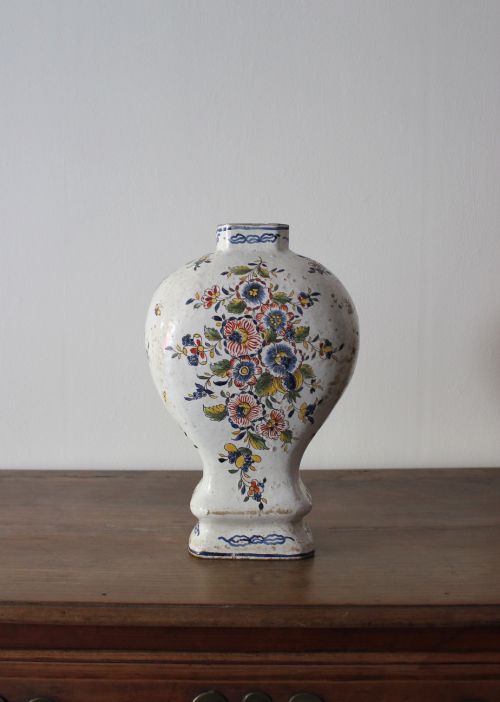
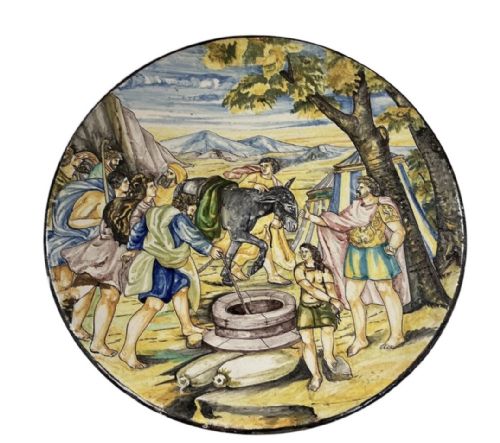
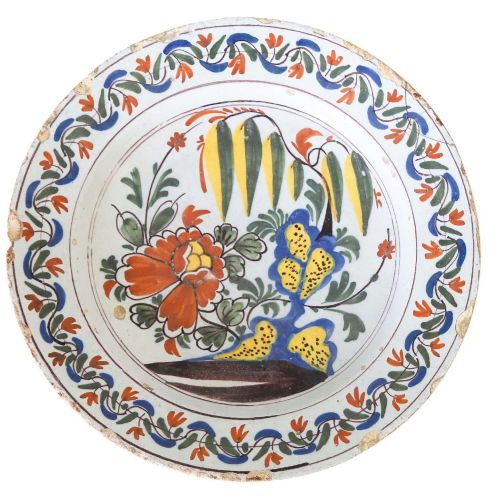
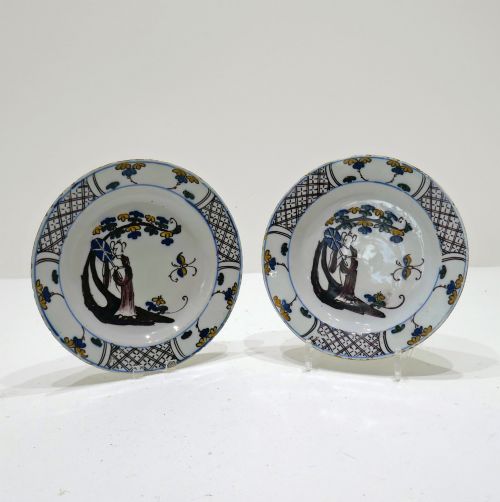
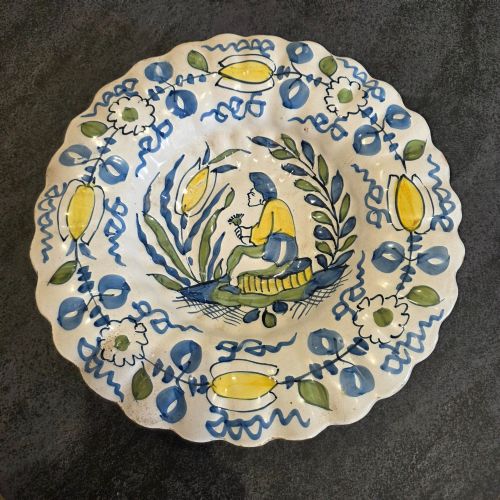
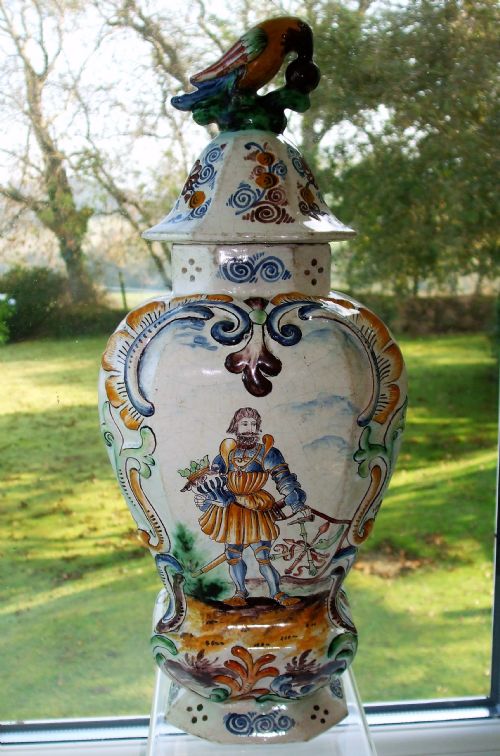
The most common forms you will encounter are large chargers, apothecary jars, vases, and plates decorated with floral motifs, geometric patterns, or figurative scenes. These pieces served both decorative display purposes and practical functions in domestic and apothecary settings.
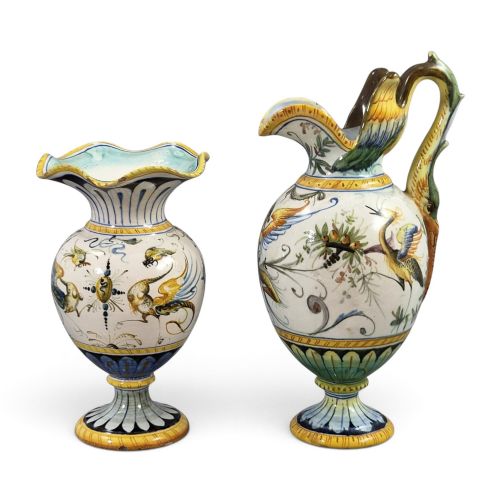
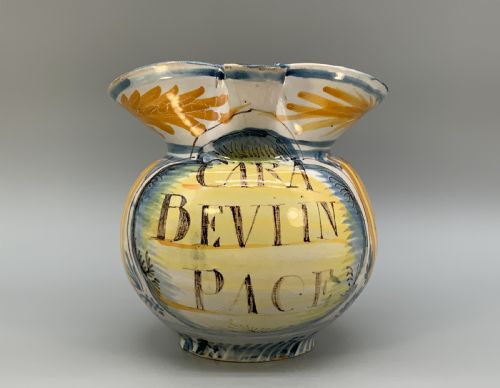
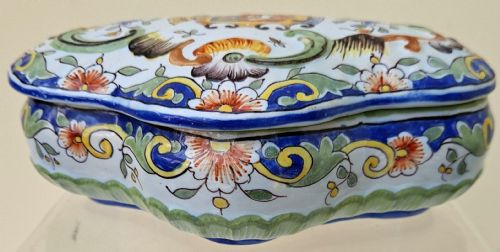
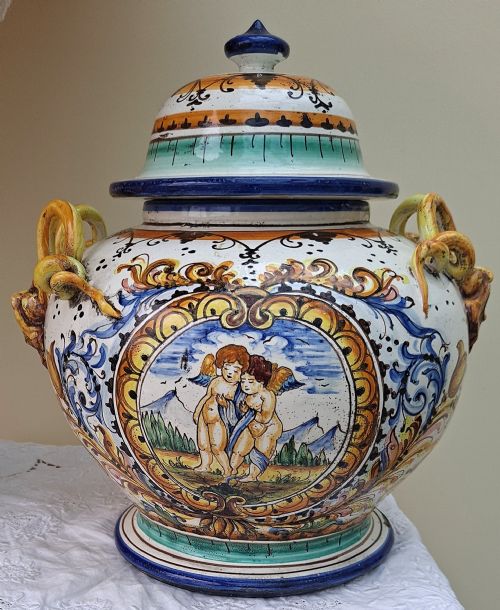
Regional variations define the grouping, from Dutch Delft dishes and English Lambeth plates to Italian majolica pharmacy jugs and French faience boxes. Each centre developed distinct palettes and firing methods that distinguish their output within the wider category.
How they were made
The foundation of every piece is a buff or earthenware clay body shaped on a wheel or pressed into a mould, then bisque fired. Artisans then dipped the dried body into a liquid glaze containing tin oxide, which dried to a chalky white surface ready to receive pigment.
Painters applied metal oxide pigments directly onto this porous unfired glaze, where the liquid was absorbed instantly, making corrections impossible. Cobalt provided blue, copper gave green, antimony or iron supplied yellow, and manganese yielded purple or brown tones.
Many items underwent a second high-temperature kiln firing known as grand feu, which fused the pigments permanently into the glossy white glaze. Others received an additional lead glaze overcoat or low-temperature firing for specific enamel colours.
Object forms include chargers, apothecary wet drug jars, pilgrim flasks, lidded vases, snuff boxes, and figural candlesticks.
What varies in quality
The crispness and confidence of the brushwork separate standard production from superior examples. Master painters achieved fluid, assured lines in their floral sprays and figures, whereas lesser pieces display hesitation or hurried execution in the pigment application.
The stability of the glaze and the success of the kiln firing also determine standard. Top-tier specimens show an even, opaque white ground without excessive crawling, pitting, or pooling of the tin glaze, alongside clear, vibrant delineation of the polychrome pigments.
Form and proportion dictate desirability, particularly in sculptural items such as pilgrim flasks, pharmacy albarelli, and lidded vases. Pieces that maintain symmetrical balance and sharp moulding details outrank distorted or sluggishly modelled vessels.
Cantagalli Florence
The Polychrome Tin Glazed Ceramic Glossary
- Tin-glazed earthenware
- Pottery coated with a lead glaze made opaque by the addition of tin oxide. This white surface serves as a canvas for hand-painted decoration.
- Majolica
- Italian tin-glazed earthenware decorated with colourful metal oxide pigments. The term also encompasses later revival pieces produced in the nineteenth century.
- Faience
- The French and general continental term for tin-glazed earthenware. Production centres such as Rouen, Desvres, and Sceaux developed distinct regional styles.
- Charger
- A large ornamental or serving plate. These wide surfaces provided artisans with ample space for elaborate narrative or floral compositions.
- Albarello
- A cylindrical earthenware jar used by apothecaries to store dried herbs, ointments, and drugs. They often feature painted label panels surrounded by floral scrollwork.
Polychrome Tin Glazed Ceramic: Frequently Asked Questions
What is polychrome tin glazed ceramic?
These objects are earthenware items covered in an opaque white tin glaze and painted with multiple mineral pigments. Makers across Europe produced them from the seventeenth century onwards.
The category includes plates, chargers, pharmacy jars, and figurines from English, Dutch, French, Italian, and Spanish potteries.
How were these ceramics used originally?
Many pieces served practical domestic functions as tableware, food storage vessels, or drinking steins. Apothecaries relied on jars and jugs to hold medicinal preparations and dry ingredients.
Larger chargers and ewers were primarily intended for decorative display on sideboards or walls within prosperous homes.
How do I care for antique tin glazed pieces?
Keep these items away from modern dishwashers, as harsh detergents and high heat will damage the porous earthenware body and historic glaze. Dust them gently with a dry, soft cloth.
Display them in stable environments away from direct moisture and extreme temperature fluctuations to protect the glaze surface.
How can I tell English Delft from Dutch Delft?
English potteries, such as those in Bristol and Lambeth, often utilised slightly different clay bodies and pinker earthenware fabrics beneath the glaze. Their palette and floral motifs also reflect local interpretations of imported styles.
Dutch makers in Delft frequently produced thinner, crisper forms with distinct blue and polychrome geometric or landscape borders.