


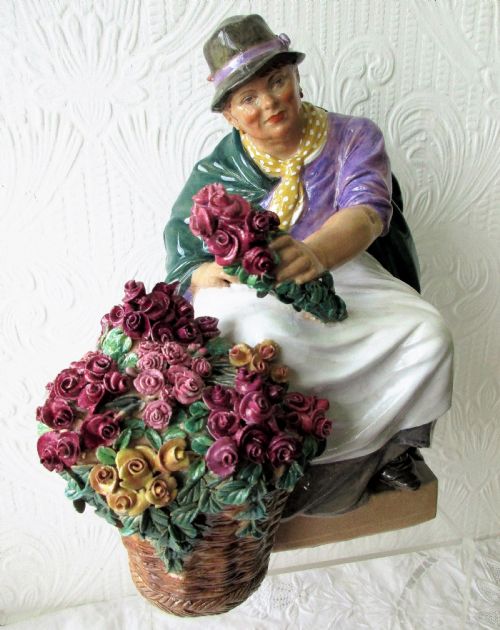
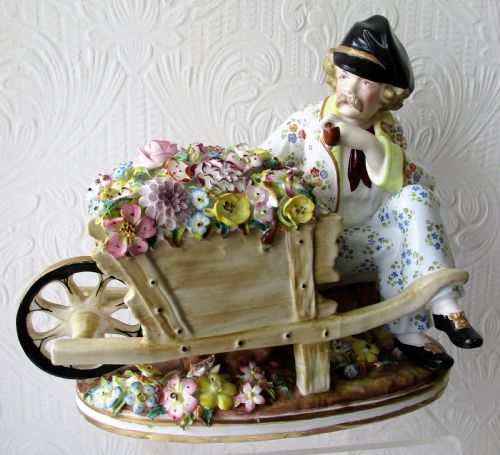
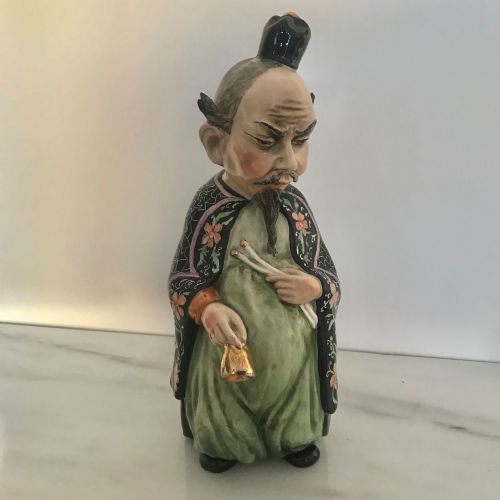


Polychrome Pottery Sculpture
Polychrome pottery sculpture brings colour and human form into a room, drawing the eye with painted glazes and modelled detail across centuries of craft.
Polychrome Pottery Sculpture
When you search for polychrome pottery sculpture, you encounter figures, groups, and animals shaped from clay and finished in bright pigments and glazes. These works span English studio pottery, Victorian figures, Staffordshire groups, and delicate figures from Chinese and Japanese traditions.
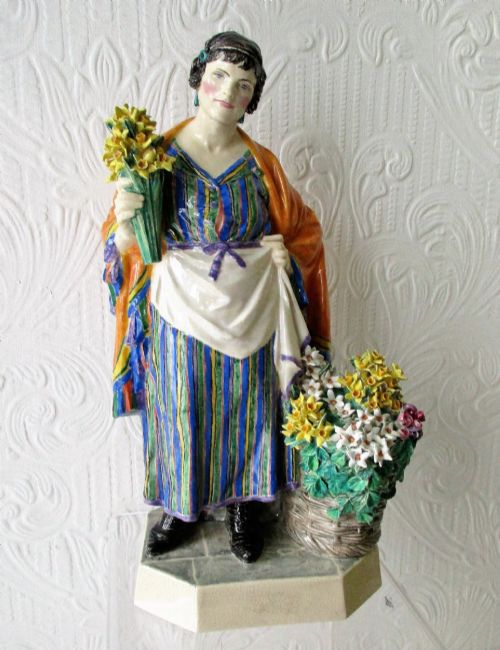
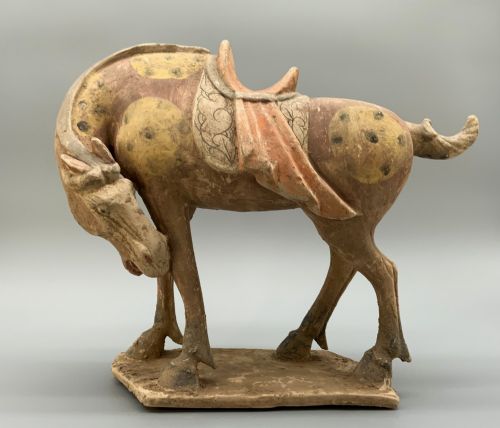
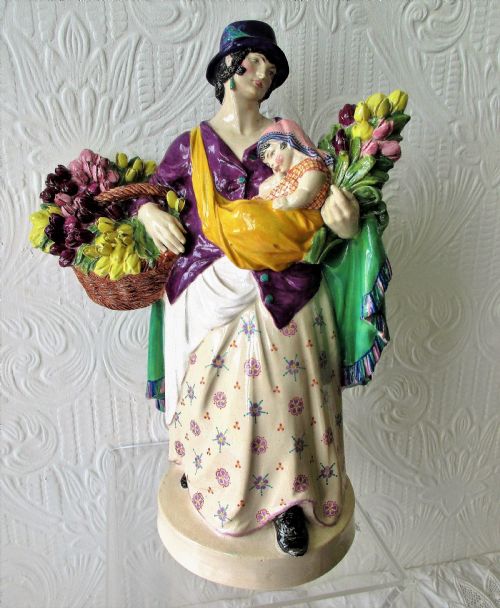
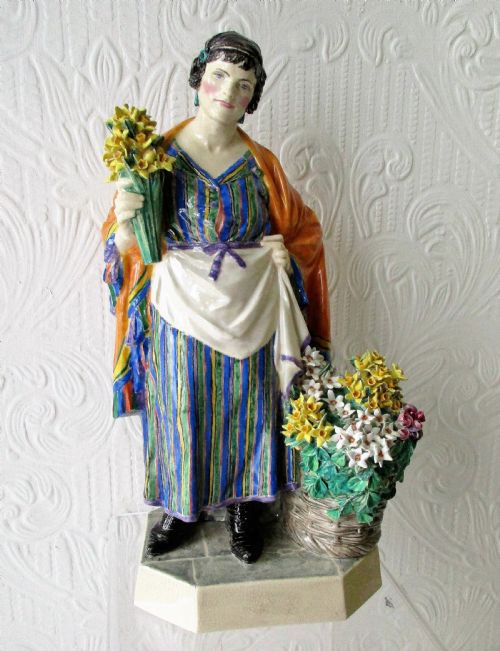
The pieces on this page range from early earthenware and pearlware to porcelain, terracotta, and studio ceramics. Forms include human figures such as flower sellers and monks, alongside ducks, horses, and musicians modelled in distinct regional styles.
Makers and regional workshops from the eighteenth century through to the Art Deco period appear alongside earlier Chinese pottery. Each piece uses baked clay as the canvas for coloured glazes, enamel paint, and occasional gold leaf.
Materials and technique
Potters shape earthenware, porcelain, and terracotta before applying mineral glazes or enamel paint to the surface. Sancai glazes permit amber, green, and cream colours to run across the clay body during firing.
Makers layer enamel paint over fired ceramic bodies to achieve fine detail on faces and garments. Some pieces incorporate gold leaf highlights to accentuate the modelled surface and decorative borders.
Studio potters throw or hand-model their figures, while factory pieces utilise moulds to ensure consistent shape before skilled hands paint each individual surface.
Polychrome Pottery Sculpture Retail Price Guide 2026
Typical asking prices for polychrome pottery sculpture among the pieces listed under this phrase on Sellingantiques today, from the lower quarter to the upper quarter. They describe what is for sale here now, not the wider market.
Monks, ducks, and flower sellers share shelf space with cheeky tortoises and roguish deities.
Judging the quality
The stability and richness of the glaze or enamel paint finish matter greatly. Smooth application without pooling or dull patches indicates superior kiln control and skilled handwork.
Charles Vyse·John Bevington·Ralph Wood·Makuzu Kozan II·Goldscheider
The Polychrome Pottery Sculpture Glossary
- Earthenware
- Porous pottery fired at lower temperatures, requiring a glaze to hold water and provide a smooth surface. It forms the base of many historical figures and studio pieces.
- Sancai
- A three-colour glaze tradition originating in China, typically employing amber, green, and creamy white tones that blend on the pottery surface during firing.
- Okimono
- A Japanese decorative ornament intended for display on a shelf or tokonoma. These carved or modelled figures depict deities, figures, and animals.
- Pearlware
- A refined earthenware developed in the eighteenth century featuring a thin bluish glaze that pooled white over a pale body, closely associated with Staffordshire makers.
- Moriage
- A Japanese ceramic technique of applying slip in raised dots or lines to create textured surface decoration before glazing and firing.
Polychrome Pottery Sculpture: Frequently Asked Questions
What is polychrome pottery sculpture?
Polychrome pottery sculpture encompasses three-dimensional modelled figures and animals made from clay and decorated with multiple coloured glazes, enamels, or paints. The category includes European studio pottery, Asian ceramics, and historical Staffordshire figures.
These pieces rely on the interaction between fired clay bodies and applied pigments to create enduring visual depth. Every item uses distinct regional traditions to shape and finish the form.
How were these sculptures used?
Historical figures served as mantelpiece ornaments, decorative table centrepieces, or expressions of cultural and narrative themes. Japanese okimono occupied display spaces in traditional interiors.
European figures commemorated contemporary events, depicted street vendors, or provided domestic decoration during the Victorian and Art Deco eras. Their primary purpose remained visual display and the enrichment of living spaces.
How do I live with them?
Position these sculptures away from direct sunlight to protect enamel paint and delicate glazes from fading over time. Place them on stable shelves or cabinets where their detailed modelling can be viewed closely.
Keep pieces away from high-traffic areas to prevent accidental knocks, as fired clay and porcelain remain vulnerable to impact. Dust them gently with a dry, soft brush rather than liquid cleaners.