



Polychrome Porcelain Dogs
Polychrome porcelain dogs are glazed ceramic figures painted in multiple colours, offering collectors charming representations of hounds and pets from centuries past.
Polychrome Porcelain Dogs
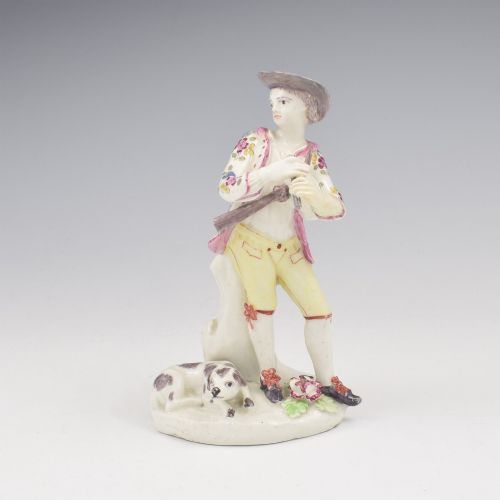
Polychrome porcelain dogs appear primarily as figurines and figure groups across this selection, capturing domestic animals alongside human figures like hunters and bagpipers. The earliest examples hail from the Georgian period, created by factories such as Derby and Meissen.
Later Victorian interpretations emerge in Staffordshire pottery traditions, maintaining the enduring appeal of canine subjects in ceramic art. These pieces range from small table ornaments to larger mantle figures produced in European and Asian workshops.
What varies in quality
The sophistication of the palette and the precision of the firing process separate standard production pieces from exceptional factory outputs. Preservation of original gilding and enamels also plays a significant role in determining the standing of an individual antique.
Polychrome Porcelain Dogs Retail Price Guide 2026
Typical asking prices for polychrome porcelain dogs among the pieces listed under this phrase on Sellingantiques today, from the lower quarter to the upper quarter. They describe what is for sale here now, not the wider market.
Listings feature porcelain, enamel, gold leaf, and gilt bronze across pieces dating from the seventeenth through the twentieth centuries.
Derby Porcelain·Meissen Porcelain·Royal Capodimonte Factory·Samson Paris
The Polychrome Porcelain Dogs Glossary
- Polychrome
- Decoration executed in several colours. This multi-coloured approach defines the vibrant painted surfaces seen on these ceramic figures.
- Enamel
- Opaque vitreous composition applied as a colour layer. Fused by heat, it provides the rich hues found across these painted wares.
- Soft-paste porcelain
- Early translucent ceramic body composed of clay and glass frit. It possesses a warmer tone compared to true hard-paste porcelain.
- Gilding
- Application of gold leaf or gold powder to a surface. It highlights specific architectural or decorative elements on the pieces.
- Figurine
- Small modelled statue representing a human or animal. These ceramic sculptures form the core of the canine subjects.
Polychrome Porcelain Dogs: Frequently Asked Questions
How do I identify a Georgian porcelain dog?
Georgian porcelain dog figures typically originate from 18th-century English factories like Derby, exhibiting characteristic soft-paste bodies and fine hand-painted enamel detailing. They often appear alongside human figures in hunting or pastoral scenes rather than as standalone ornaments.
Examine the base and glaze characteristics closely, as earlier pieces feature specific potting marks and unglazed foot rims common to the period. Comparing the modelling style to documented museum references helps confirm the exact era.
What is the difference between hard-paste and soft-paste?
Hard-paste porcelain is a true ceramic composition fired at very high temperatures, resulting in a dense, vitreous body that resists scratching. Soft-paste is an artificial composite fired at lower temperatures, yielding a slightly warmer appearance and a softer glaze.
Distinguishing between the two often involves observing the translucency and how the enamel colours have sunk into the respective glazes during firing.
How should I display antique porcelain figures?
Display these delicate ceramic pieces in enclosed cabinets away from direct sunlight to protect the fragile enamel colours and any applied gold leaf. Ensure they rest on stable, level surfaces where accidental knocks are minimised.
Maintain a consistent indoor climate to prevent thermal shock or humidity damage to the antique porcelain bodies.
How do I clean polychrome porcelain dogs?
Dust these figures gently with a soft, dry artist's brush to remove surface particles without abrading the painted enamel decoration. Avoid using water, chemical cleaners, or abrasive cloths, particularly on pieces featuring delicate gilding or cold-painted highlights.
Professional conservation advice should be sought if an item requires deeper cleaning due to historic grime.