


Polychrome Light Fitting
These polychrome light fitting examples bring colour and character to a room through painted metal, porcelain, and wrought iron.
Polychrome Light Fitting
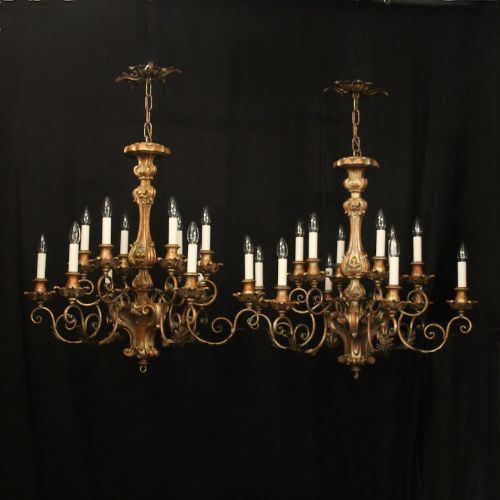
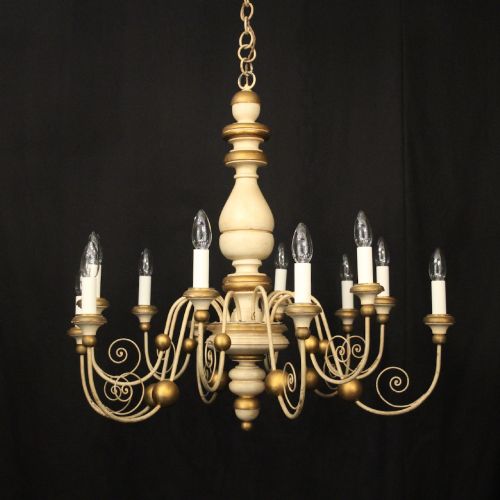
A polychrome light fitting provides illumination combined with hand-painted or multicoloured decoration, ranging from grand chandeliers to decorative wall sconces and table lamps. When searching for a polychrome light fitting, collectors encounter pieces originating across the nineteenth and early twentieth centuries, notably from French and Florentine workshops.
How They Were Made
Makers utilised wrought iron, brass, and gilt metal to form the structural framework of chandeliers and wall lights, often shaping iron into floral and scroll motifs. Painted metal and toleware surfaces received hand-applied pigments to create floral details and rich surface finishes.
Porcelain elements, including famille rose and rose medallion vases, were fired and painted with intricate coloured enamels before later conversion into table lamps. Gilt accents were frequently applied over metal or wood to highlight carved and forged details.
Materials recorded on this page include wrought iron, porcelain, gilt metal, fabric, glass, painted metal, toleware, and brass.
What Varies in Quality
The distinction between standard examples and finer pieces lies in the execution of the hand-painting and the subtlety of the polychrome palette. Superior items display crisp brushwork on toleware and porcelain, with harmonious colour blending that remains vibrant across the entire object.
Structural integrity also separates the range, as heavier wrought iron frames and well-preserved gilt metal mounts require precise blacksmithing and casting. Finer pieces retain their original surface decoration with minimal intervention, whereas lesser items often show crude overpainting or lost detail.
The Polychrome Light Fitting Glossary
- Polychrome
- Decorated in multiple colours. This term describes items featuring varied painted pigments across their surface.
- Toleware
- Painted or enamelled sheet metalware. Artisans shaped and painted tinplate to resemble luxury decorative objects.
- Famille Rose
- A palette of Chinese porcelain enamels dominated by pink. This style developed during the Qing dynasty and inspired later European adaptations.
- Chandelier
- A branched ceiling-mounted lighting fixture. These large pieces hold multiple light sources and dominate a room's interior scheme.
Polychrome Light Fitting: Frequently Asked Questions
What periods do these lights come from?
The pieces span the late nineteenth century through to the 1930s. They encompass varied European and Asian decorative movements.
Items date from the 1880s up to 1930, reflecting both Victorian production and twentieth-century interpretations of earlier styles.
How were these light fittings used originally?
Chandeliers and wall sconces provided primary illumination in grand reception rooms and dining spaces. Their decorative painted surfaces contributed to the interior aesthetic even when unlit.
Table lamps often started life as decorative porcelain vases before conversion for domestic lighting during later decades.
How do I identify a Florentine piece?
Florentine lights often feature carved wood or gilded metal work with distinct Italian baroque characteristics. They frequently incorporate rich polychrome gilding.
Look for twelve-light or six-light chandelier formats that emphasise ornate floral and scrollwork typical of Tuscan workshops.
What materials make up these fittings?
Common materials include wrought iron, brass, gilt metal, porcelain, and painted toleware. Fabric components also appear on certain lighting configurations.
Combinations of metal framing with painted tin or ceramic elements define the visual texture of these objects.