




Polychrome Lidded Vases
Polychrome lidded vases bring together vibrant painted palettes and fitted covers, offering striking focal points for any room through centuries of decorative traditions.
Polychrome Lidded Vases
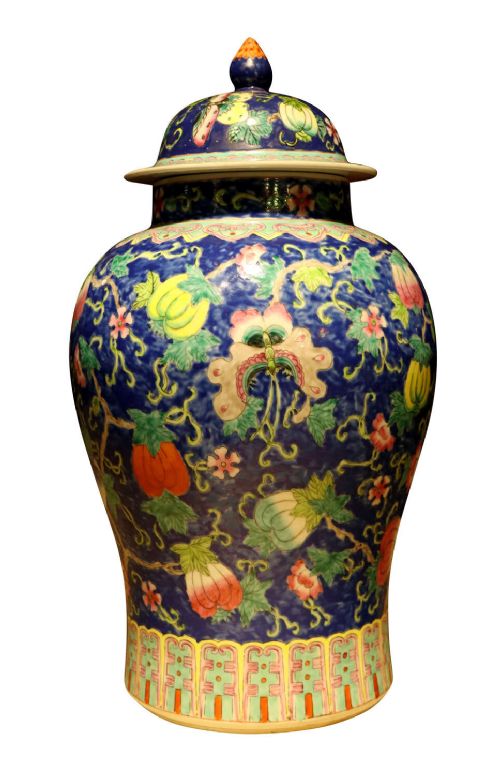
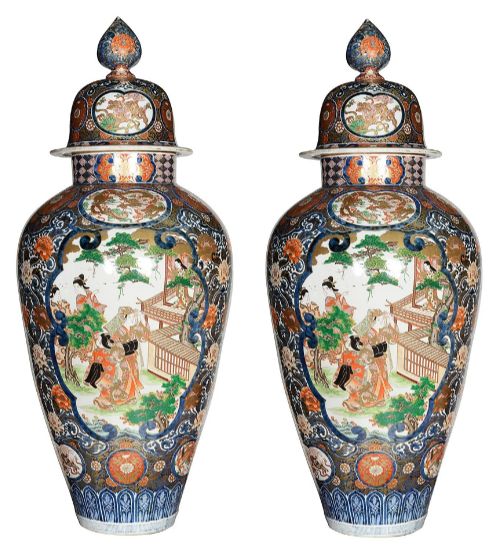
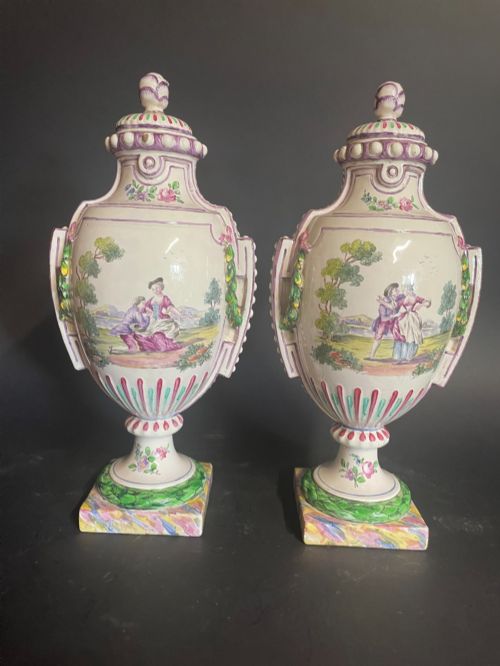
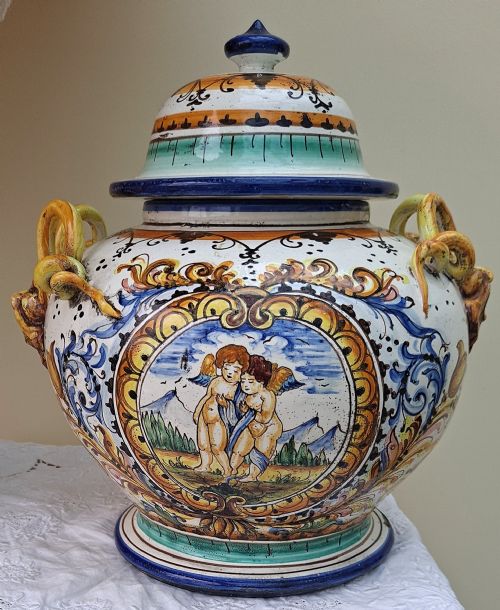
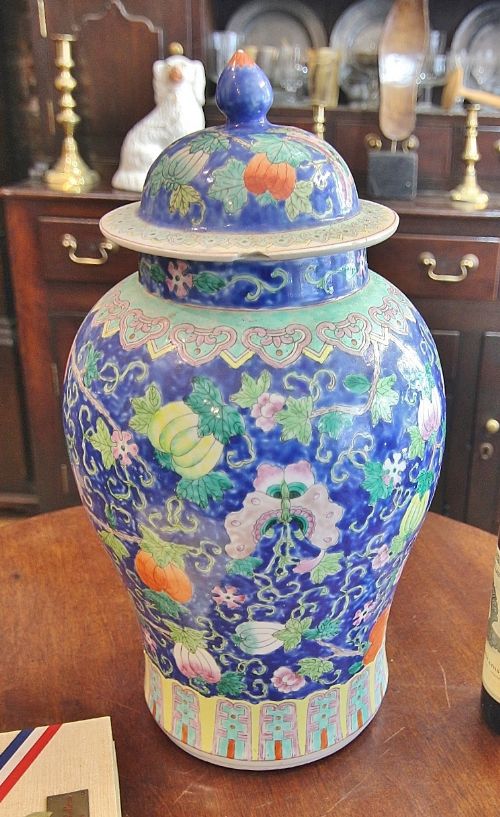
Polychrome lidded vases span numerous decorative traditions, encompassing Chinese porcelain ginger jars, Japanese Imari pieces, and European earthenware. When exploring polychrome lidded vases on this page, buyers frequently encounter items from the eighteenth and nineteenth centuries alongside later twentieth-century studio and factory productions.
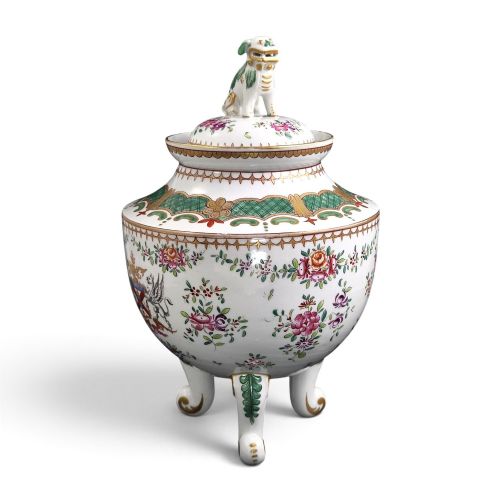
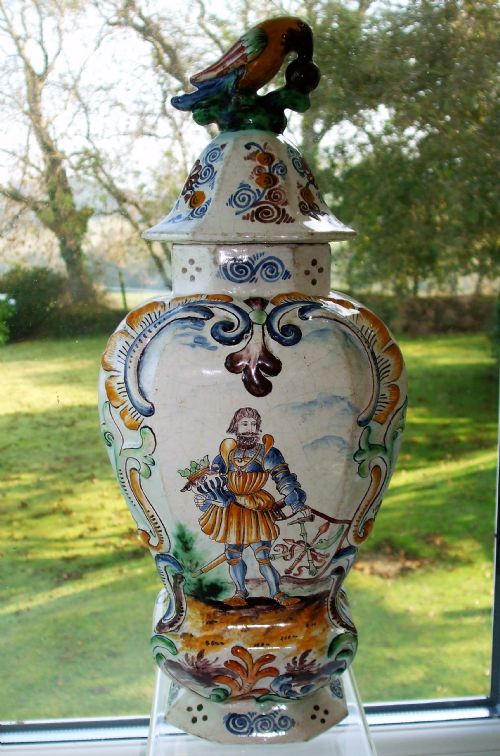
Forms range from baluster urns and pot pourri vessels to large ginger jars fitted with matching covers. These pieces serve primarily as decorative ornaments, often displaying detailed figurative scenes, armorial motifs, or floral patterns executed in rich palettes.
Origins stretch from European centres like Delft, Berlin, and Staffordshire potteries to Asian traditions including Cantonese, Kutani, and Arita wares. This geographical diversity provides collectors with broad choices in scale, glaze texture, and ornamental style.
Materials and construction
Makers utilised ceramic body pastes ranging from soft-paste porcelain and ironstone to tin-glazed earthenware and stoneware. These varied foundational bodies dictated the firing temperatures and the specific glaze types applied to each vessel.
Decoration relied on multi-coloured enamel pigments, often enhanced with gold leaf or surface gilding applied over or beneath the glaze. Painters employed fine brushes to execute intricate Chinoiserie scenes, floral sprays, and panel designs before final kiln firings.
Polychrome Lidded Vases Retail Price Guide 2026
Typical asking prices for polychrome lidded vases among the pieces listed under this phrase on Sellingantiques today, from the lower quarter to the upper quarter. They describe what is for sale here now, not the wider market.
Pierced pot pourri covers were originally engineered to let dried rose petals secretly perfume whole drawing rooms.
Assessing quality and execution
Quality rests heavily on the precision of the hand-painted brushwork and the complexity of the palette. Superior examples demonstrate crisp detail in figurative scenes and careful application of gilding.
The survival of the matching original cover significantly influences desirability. Vessels retaining their proper, period-correct lid command greater attention from collectors than those matched later.
Samson Paris·Royal Worcester·Coalport
The Polychrome Lidded Vases Glossary
- Polychrome
- Decorated in multiple colours. This multi-coloured approach defines the vibrant palettes seen across Asian and European ceramics.
- Imari
- A style of Japanese export porcelain featuring iron red, cobalt blue, and gold. These pieces were widely exported to Europe from the seventeenth century onward.
- Pot pourri
- A vase designed with a pierced cover to release scent from dried flower petals and spices. Such vessels often feature elaborate mouldings.
- Tin-glazed earthenware
- Pottery covered with a tin-opacified glaze that provides a white background for painting. Dutch Delftware is a prominent example of this technique.
- Famille rose
- A palette of Chinese porcelain decoration characterised by opaque pink enamel. Introduced in the Qing Dynasty, it allowed for subtle tonal gradations.
Polychrome Lidded Vases: Frequently Asked Questions
How do I identify a reproduction lid?
Original covers typically match the exact wear patterns, glaze crazing, and potting technique of the vase body. Subtle discrepancies in colour or paste density often indicate a replacement.
Examining the interior rim of both the lid and the neck under magnification reveals consistency in manufacture that later copies struggle to replicate.
What is the difference between Imari and Kutani?
Imari wares rely on a distinct palette of underglaze blue, iron red, and added gold, often arranged in intricate geometric and floral panels. Kutani pieces frequently showcase bolder pictorial scenes dominated by greens, yellows, and purples.
Understanding these regional Japanese aesthetic shifts helps collectors separate nineteenth-century production styles at a glance.
Where were pot pourri vases placed?
These vessels stood in reception rooms and parlours where circulating air could disperse fragrances from dried herbs and spices. Their pierced covers allowed scent to escape gradually.
Their decorative presence made them centrepieces on mantelpieces and side tables during the eighteenth and nineteenth centuries.