

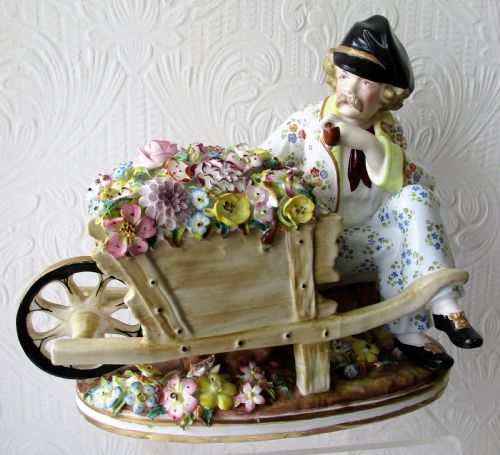


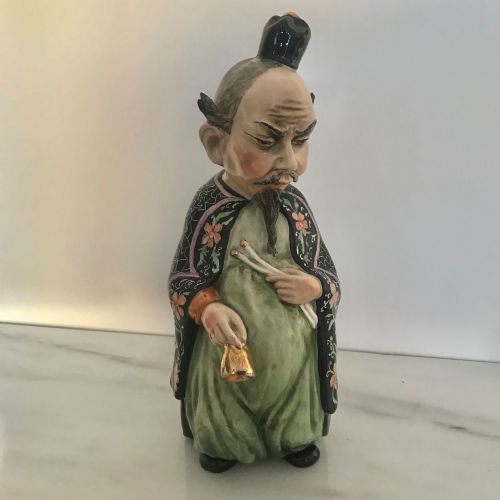


Polychrome Enamel Ceramic Figure
A polychrome enamel ceramic figure brings vibrant colour and modelled detail to a room, drawing the eye instantly.
Polychrome Enamel Ceramic Figure
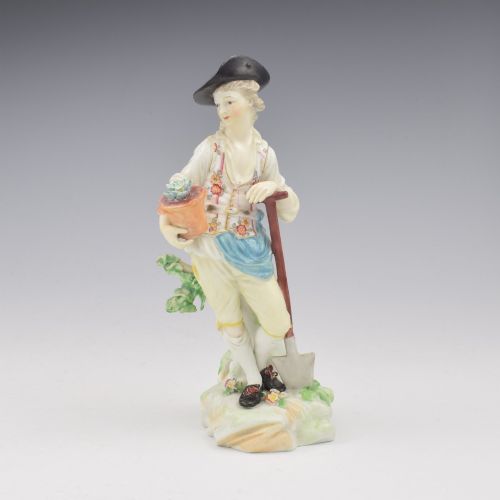
A polychrome enamel ceramic figure is a modelled representation of a person, deity or animal decorated in multiple enamel colours, spanning centuries of global craftsmanship. When you search for a polychrome enamel ceramic figure, you encounter works ranging from eighteenth-century English porcelain factories to Qing Dynasty Chinese porcelain and Meiji period Japanese ceramics.
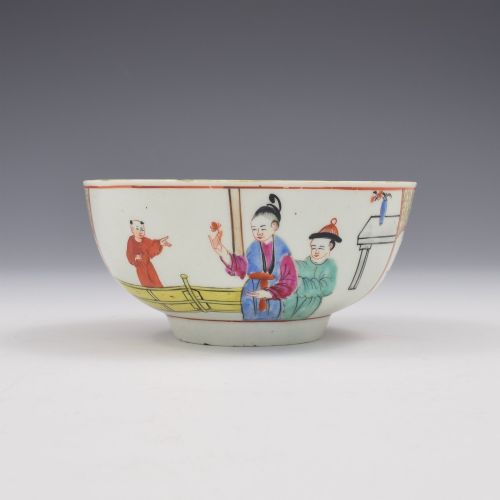
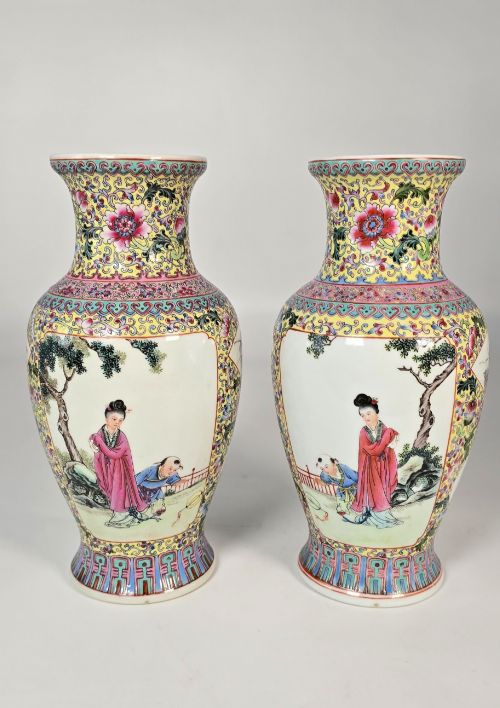
The selections available here lean heavily towards eighteenth-century English figures from factories like Derby and Bow, alongside nineteenth-century Chinese Famille Rose porcelain and Japanese Kutani or Satsuma wares. These objects take the form of figurines, auspicious deities, and figural tableware such as sauce boats and snuff bottles.
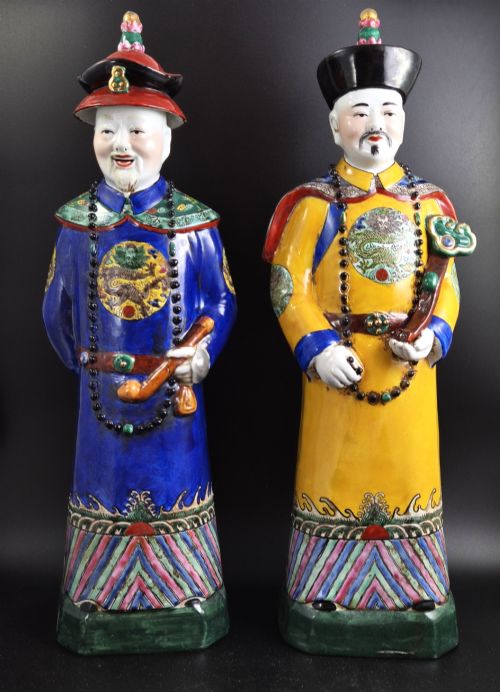
European examples often depict allegorical subjects, musicians or seasonal figures in rococo styles, while Asian pieces represent figures like Budai, Jurojin and imperial emperors. Each tradition brings distinct modelling conventions and palette choices to the ceramic surface.
Materials and production methods
Makers shaped soft-paste or hard-paste porcelain and ceramic bodies by hand or in moulds before firing them to create the solid base. Artisans then applied overglaze enamels in varied hues, sometimes incorporating gold leaf for decorative highlights.
The pieces underwent subsequent firings to fuse the vitreous enamel colours and glazes to the ceramic body. This technique allowed for bright, lasting palettes that define the appearance of these figures.
Polychrome Enamel Ceramic Figure Retail Price Guide 2026
Typical asking prices for polychrome enamel ceramic figure among the pieces listed under this phrase on Sellingantiques today, from the lower quarter to the upper quarter. They describe what is for sale here now, not the wider market.
Some figures depict deities of longevity and laughing Buddhas, ensuring your shelf is permanently watched over by cheerful immortals.
Distinctions in quality
Quality rests upon the precision of the modelling and the finesse of the hand-painted enamel work across the ceramic surface. Superior examples display crisp facial expressions, careful drapery folds, and securely applied pigments without pooling or fading.
The presence of factory marks, such as those from Derby or specific Chinese halls, separates standard production pieces from notable works. The complexity of the figural grouping and the preservation of the original glaze and enamels further distinguish the finer specimens.
John Bevington·Zhu Mao Ji
The Polychrome Enamel Ceramic Figure Glossary
- Famille Rose
- A palette of opaque rose-pink and other soft enamel colours introduced in Chinese ceramics during the Qing dynasty. This grouping dominates many nineteenth-century export wares.
- Overglaze enamel
- Pigments applied on top of a fired and glazed ceramic surface, requiring an additional low-temperature firing to bond the colours. It permits a wide spectrum of bright hues.
- Soft-paste porcelain
- A ceramic composition made from white clay mixed with ground glass and other materials, fired at lower temperatures than hard-paste porcelain. English factories such as Bow and early Derby relied on this formula.
- Vitreous enamel
- Glass-powder fused to a ceramic or metal base through firing, creating a glossy, durable finish. It gives the surface its characteristic sheen and resilience.
Polychrome Enamel Ceramic Figure: Frequently Asked Questions
How do I clean my ceramic figure?
Dust the surface gently with a soft, dry brush to prevent dirt accumulation without disturbing delicate enamel or gold leaf details.
Avoid using water, chemical cleaners, or immersion, as older glazes and overglaze enamels can be sensitive to moisture.
Are these figures English or Asian?
The inventory includes both European and Asian pieces, reflecting distinct regional traditions in ceramic production.
English factories like Derby and Bow produced modelled figures, while Chinese and Japanese workshops created porcelain figures, vases, and bottles with detailed enamel decoration.
What is the difference between Famille Rose and Famille Verte?
Famille Rose relies on an opaque pink enamel derived from colloidal gold, introduced during the eighteenth century.
Famille Verte uses a dominant transparent green enamel palette along with other colours, characteristic of earlier Qing dynasty periods.
How can I date an antique porcelain figure?
Examine the base for factory marks, paste composition, and the wear patterns on the unglazed foot rim.
Compare the modelling style, clothing details, and enamel palette with documented examples from periods such as the eighteenth century or the Meiji era.