



Polychrome Delft
Polychrome delft comprises tin-glazed earthenware painted in multiple colours, offering collectors vibrant historical ceramics that bridge functional ware and decorative art.
Polychrome Delft
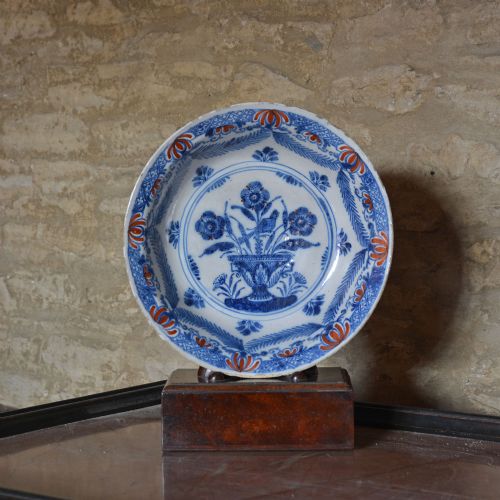
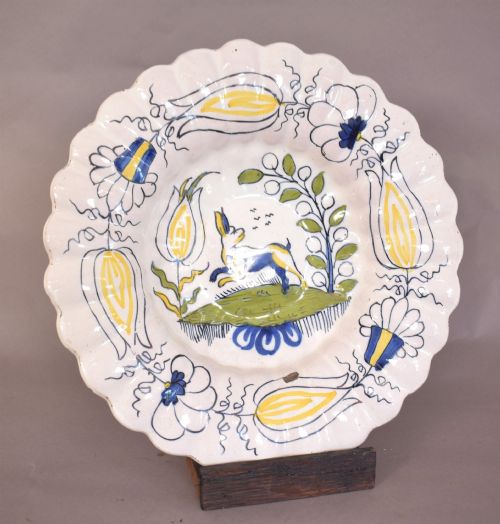
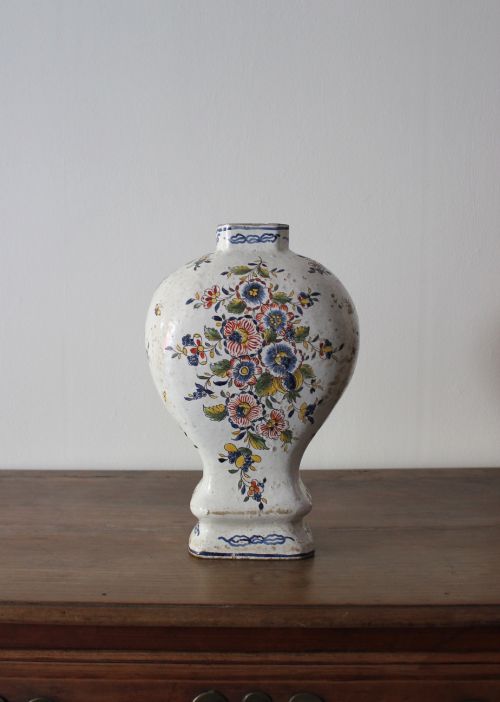
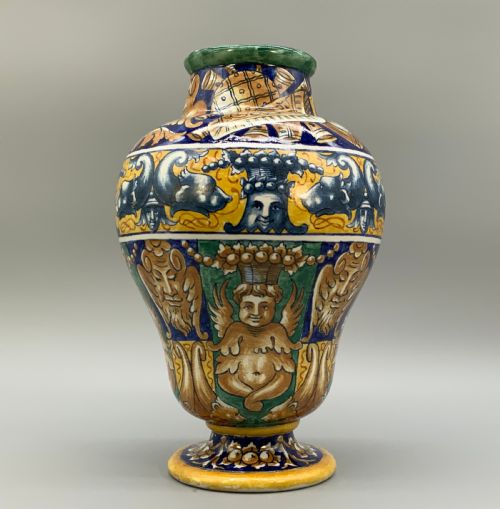
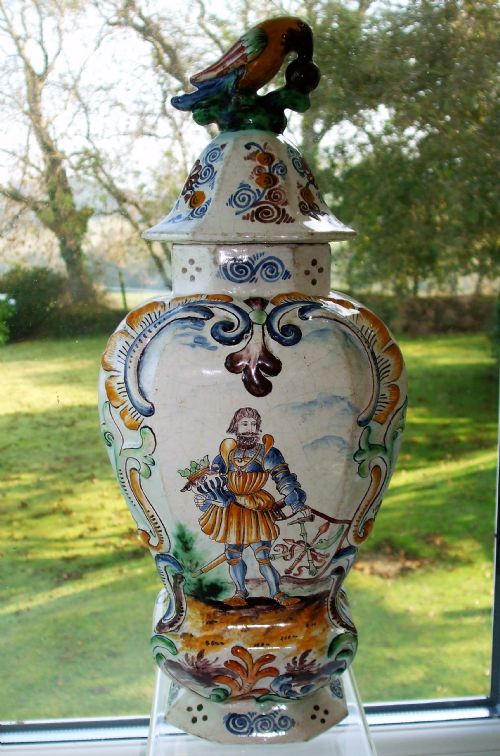
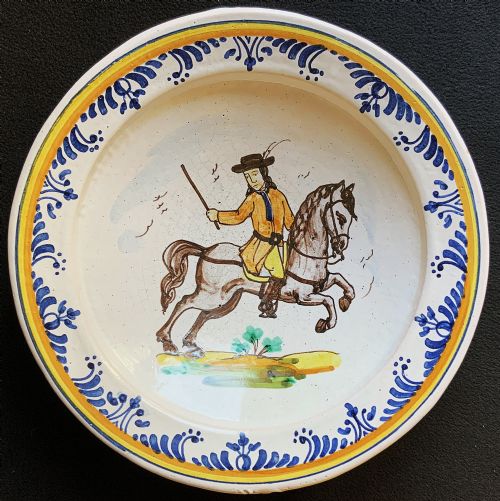
Polychrome delft pieces include chargers, plates, vases, apothecary jars, and figural objects originating from Dutch, English, Spanish, and German workshops. These items range from seventeenth-century dishes to later revival forms, capturing diverse regional traditions across Europe.
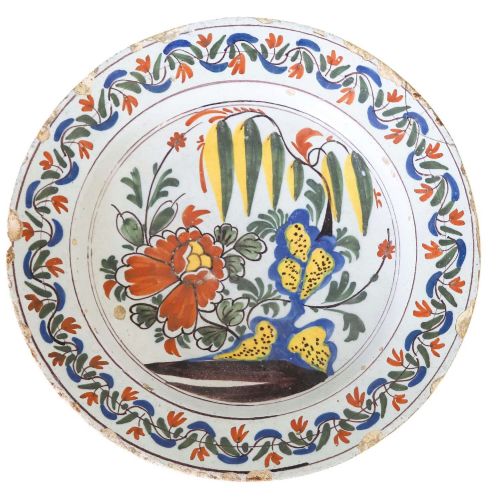
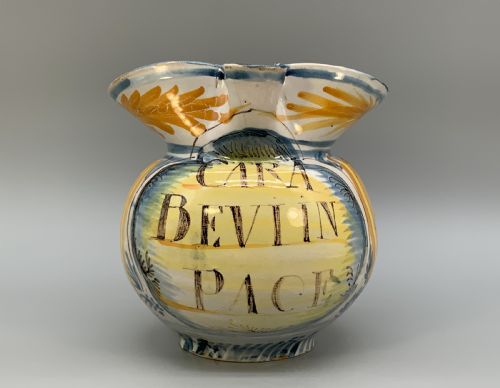
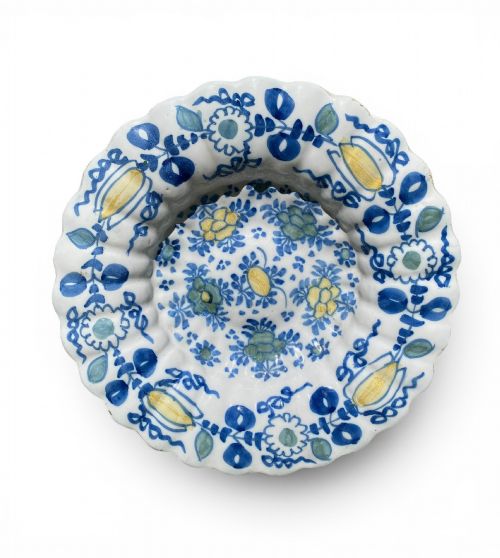
The most common items met on this page are eighteenth-century chargers and plates featuring hand-painted floral or Chinoiserie decoration. Buyers frequently encounter Dutch and English examples alongside occasional apothecary jugs and lidded vases.
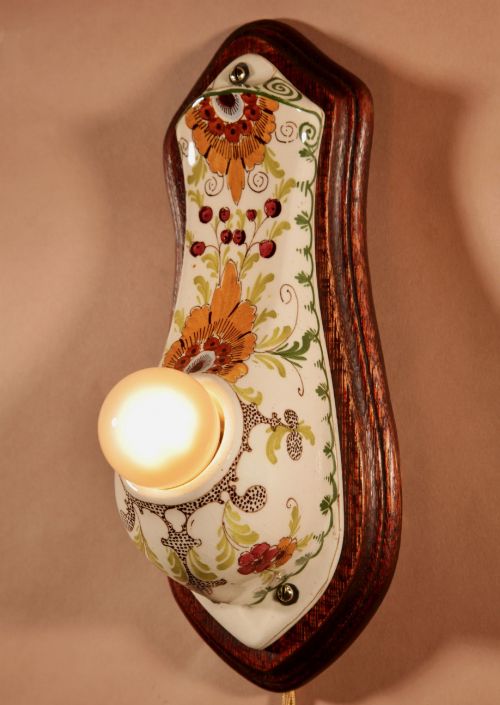
Forms span domestic vessels like coffee pots and beer steins, as well as wall lights and night lights. The inventory reflects a broad chronological span from the seventeenth century through to early twentieth-century decorative pieces.
Materials and production techniques
Makers formed these objects from clay, shaping them into tableware, vases, and figures before applying a tin glaze that provided an opaque white surface. This tin-glaze ground served as the canvas for subsequent pigment application.
Artisans applied metallic oxide pigments directly onto the unfired or fired glaze, often utilising grand feu techniques or subsequent low-temperature firings to fix the colours. Manganese, yellow, and various polychrome pigments created the distinctive palette seen on floral and geometric designs.
Polychrome Delft Retail Price Guide 2026
Typical asking prices for polychrome delft among the pieces listed under this phrase on Sellingantiques today, from the lower quarter to the upper quarter. They describe what is for sale here now, not the wider market.
Listings feature ceramics spanning the seventeenth, eighteenth, and nineteenth centuries, executed in tin-glazed earthenware, clay, and pigment.
Evaluating quality and execution
Quality in these ceramics rests upon the crispness of the hand-painted brushwork and the complexity of the design, such as detailed Chinoiserie motifs or geometric floral patterns. Superior pieces display confident pigment control and balanced compositions across the tin-glazed surface.
The stability of the earthenware body and the evenness of the glaze application also distinguish finer examples from standard production. Well-preserved tin glaze with minimal chipping and vibrant, unfaded pigment preservation elevates the standing of an individual piece.
The Polychrome Delft Glossary
- Charger
- A large decorative plate designed for display on a wall or dresser rather than for dining. These large ceramic dishes often carry the most ambitious polychrome painting.
- Tin-Glaze
- An earthenware glaze containing tin oxide that dries to an opaque white finish. It forms the smooth absorbent background required for painting delftware.
- Chinoiserie
- European artistic interpretations of Chinese decorative motifs and styles. This style appears frequently on eighteenth-century plates and plaques.
- Grand Feu
- A high-temperature firing technique used for fixing pigments into the glaze. It requires considerable skill to prevent running of the colours.
- Apothecary Jar
- A ceramic vessel historically used to store medicines, drugs, or spices in a dispensary or shop. Many surviving examples feature labelled panels amidst decorative foliage.
Polychrome Delft: Frequently Asked Questions
How do I identify eighteenth-century English delft?
English delft from the eighteenth century typically exhibits specific body characteristics, glaze tones, and palette choices associated with factories in London, Bristol, or Liverpool. Examination of the foot ring and underlying earthenware fabric helps distinguish English output from continental equivalents.
Decoration often relies on distinct floral or Chinoiserie motifs executed in soft polychrome pigments. Comparing piece profiles and glaze thickness against established museum examples aids precise attribution.
What is a delft charger?
A charger is a large circular decorative plate intended primarily for wall hanging or ceremonial display on furniture. Measuring significantly larger than standard tableware, these dishes provided artisans a wide canvas for narrative or floral scenes.
Owners mounted them using wire rims or displayed them on dressers to showcase wealth and taste. They remain some of the most visually striking items in tin-glazed earthenware collections.
How should I clean my delftware?
Cleaning historic tin-glazed earthenware requires gentle dusting with a soft, dry brush to remove surface particulate. Harsh chemical cleaners, scouring pads, and immersion in water must be avoided to protect the fragile glaze and pigment layers.
Because the earthenware body is porous beneath the tin glaze, moisture ingress can cause flaking or staining. Professional conservation advice should be sought for any deeper cleaning requirements.
Are these ceramics safe for food?
Historic polychrome delft pieces are generally not recommended for modern food use due to the porous nature of the earthenware body and potential instability in the glaze. Centuries of ageing create microscopic fissures where bacteria and moisture can lodge.
Furthermore, some historical glazes contain mineral compounds that are unsuitable for contact with consumables. These items are best preserved as decorative works of art.