




Polychrome Chinese Plate
A polychrome chinese plate brings vibrant painted colour and intricate narrative scenes into a room, capturing centuries of ceramic artistry.
Polychrome Chinese Plate
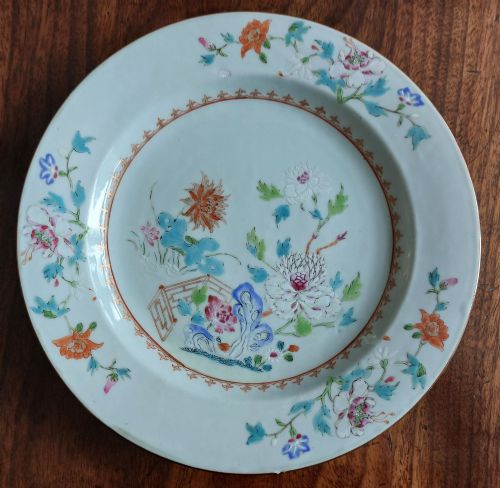
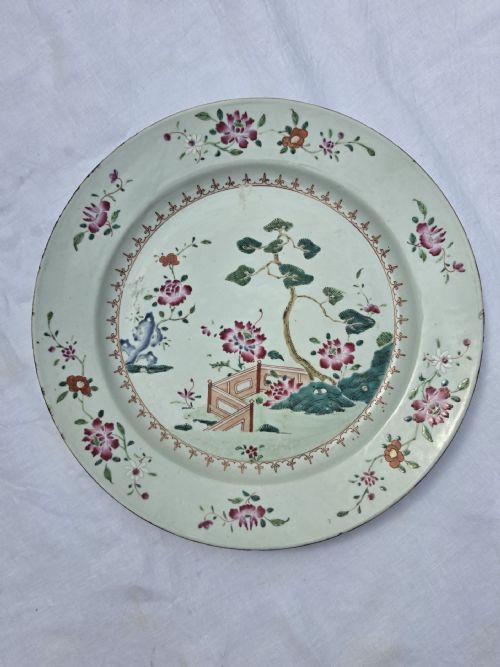
A polychrome chinese plate offers a glimpse into historic East Asian ceramic production, spanning periods from the seventeenth century through to the twentieth century. These pieces encompass various forms including chargers, dishes, and bowls alongside standard plates.
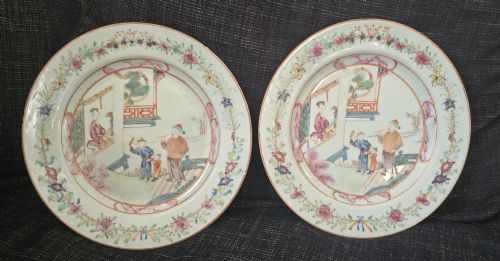
The most common examples you will encounter here belong to the eighteenth century, particularly pieces associated with the Qing Dynasty and the Qianlong period. Chinese export porcelain forms a major portion of these listings, often featuring distinct patterns destined for Western markets.
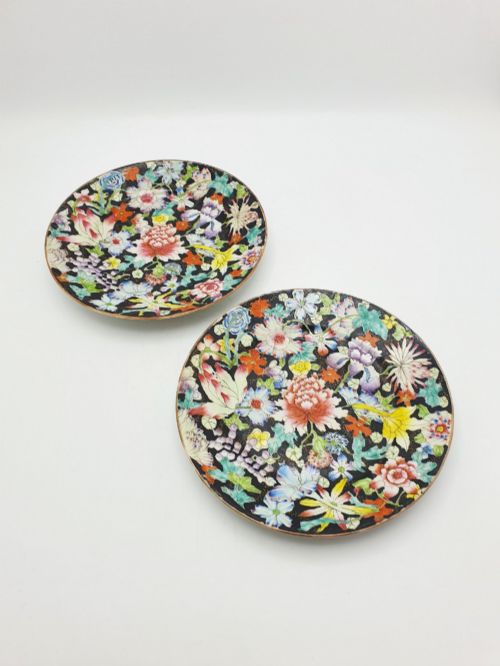
Later nineteenth century pieces, particularly from the Canton region, also appear regularly with their characteristic dense panel decoration. European interpretations inspired by these aesthetics, such as nineteenth century French or Regency Chinoiserie works, sit alongside the authentic oriental examples.
Assessing quality in polychrome ceramics
The precision and crispness of the hand-painted brushwork dictate the visual success of the piece, separating rapid commercial production from superior artistic output. Enamels that retain their glossy finish and dense pigmentation without fading show greater care in initial kilning.
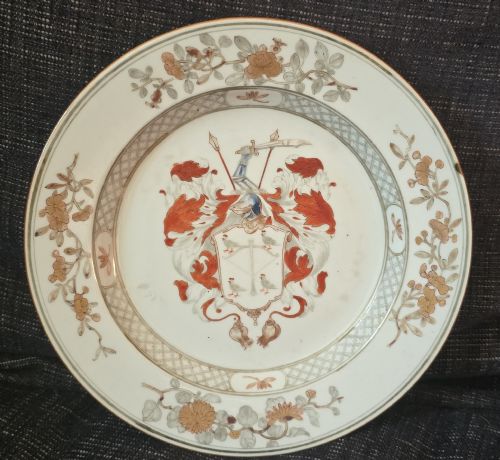
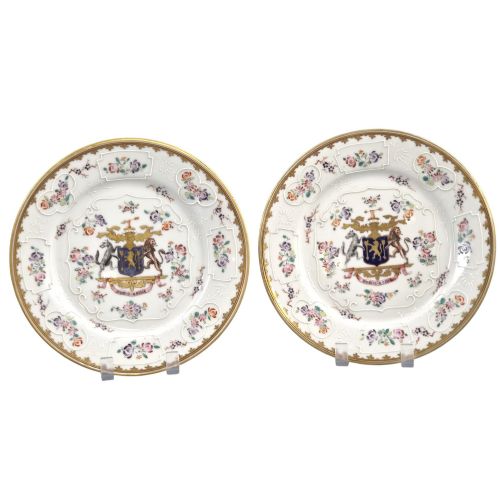
Provenance and specific armorial details elevate certain examples, particularly where noble family crests or documented historical patterns are identifiable on export porcelain. The structural integrity of the hard-paste body and the completeness of any applied gilding also determine the standing of individual items.
Polychrome Chinese Plate Retail Price Guide 2026
Typical asking prices for polychrome chinese plate among the pieces listed under this phrase on Sellingantiques today, from the lower quarter to the upper quarter. They describe what is for sale here now, not the wider market.
Acrobats and circus scenes tumble across eighteenth-century saucers, proving that historic artisans enjoyed a touch of theatrical fun.
Edmé Samson & Cie·C.J. Mason·Minton
The Polychrome Chinese Plate Glossary
- Famille Rose
- A palette of opaque enamels dominated by pink or rose colours, introduced during the Qing Dynasty. This scheme allowed for nuanced shading of floral and figural subjects.
- Famille Verte
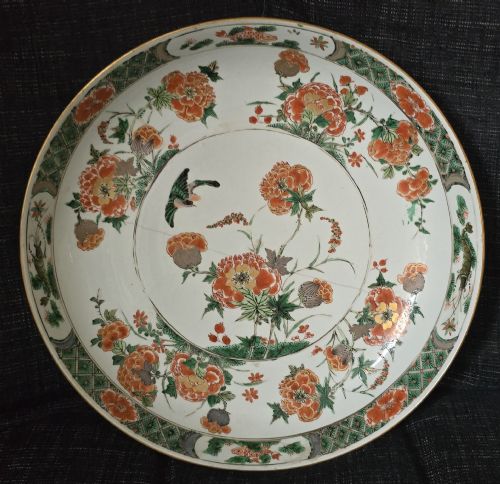
- A palette characterised by green enamel as the predominant colour, supplemented by iron red, yellow, and blue. It represents an earlier major decorative style preceding the rose palette.
- Canton
- A style of export porcelain produced in the nineteenth century, known for panels alternating between figures and birds or flowers. The borders are typically heavily patterned with gilt and butterflies.
- Armorial
- Porcelain painted with a specific European family coat of arms, commissioned by aristocratic buyers through the trade. These custom services form a distinct and collectible category.
- Hard-paste porcelain
- A true porcelain made from kaolin and petuntse fired at very high temperatures, producing a dense and vitreous material. It resists scratching and possesses a clear ringing tone when tapped.
Polychrome Chinese Plate: Frequently Asked Questions
How do I date a polychrome chinese plate?
Dating relies on examining the painting style, palette characteristics, and the physical qualities of the porcelain body. Eighteenth-century pieces often display finer potting and specific palettes like Qianlong famille rose, whereas nineteenth-century Canton items feature denser panel borders.
Backstamps are rarely present on early export wares, so attribution depends on stylistic markers, historical context, and the type of enamel used.
What is the difference between famille rose and famille verte?
Famille rose uses an opaque pink enamel derived from colloidal gold, allowing for soft tonal gradations in petals and garments. This style gained prominence during the eighteenth century.
Famille verte relies on a transparent green enamel accompanied by iron red, blue, and yellow, creating a brighter and more contrasting visual effect typical of earlier periods.
Were these plates made for everyday use?
Most high-end export porcelain and armorial services were created for dining, display, and social prestige among wealthy Western households. Their survival in decorative condition suggests many were kept on display or used sparingly.
Tea bowls, saucers, and smaller dishes served functional roles in the consumption of imported tea and luxury commodities during the Georgian and Victorian eras.
How should I display or care for antique porcelain?
Antique porcelain benefits from stable indoor environments away from direct sunlight, which can fade delicate overglaze enamels and gilding over time. Secure plate hangers or padded display stands protect the edges from chips.
Cleaning should be limited to gentle dusting with a soft brush, avoiding harsh modern detergents that might damage nineteenth-century or earlier enamel surfaces.