



Polychrome Ceramic Boy Figure
These polychrome ceramic boy figures are hand-modelled and painted decorative works spanning the eighteenth to twentieth centuries, offering delightful historical character for display.
Polychrome Ceramic Boy Figure
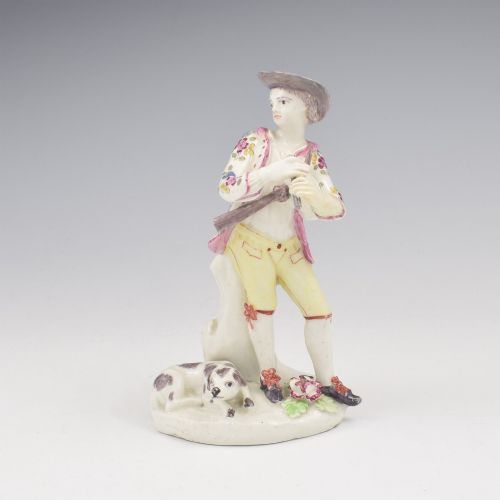
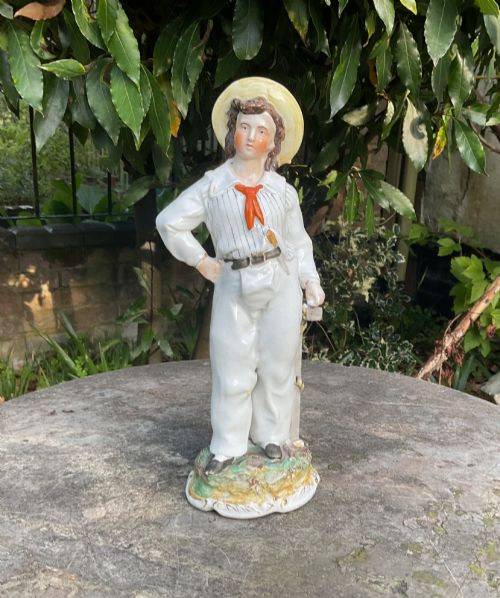
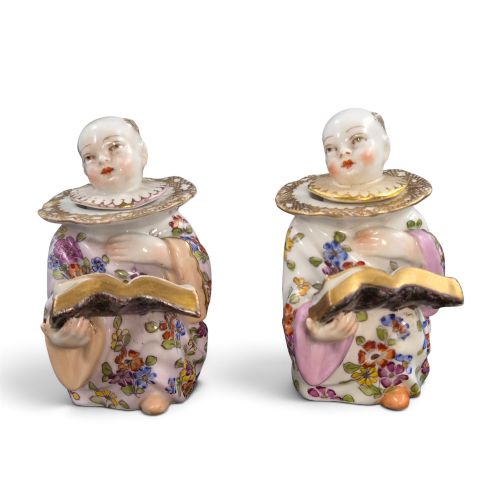
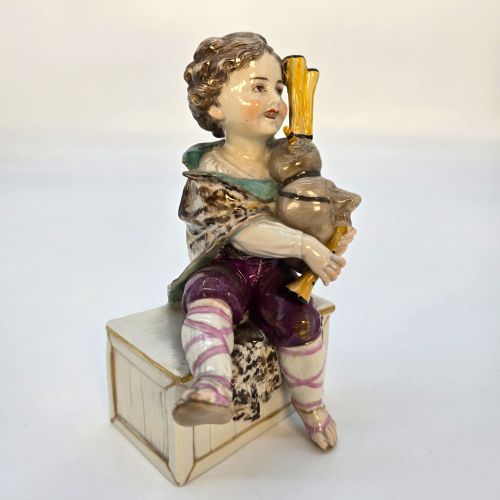
A polychrome ceramic boy figure brings sculptural charm and hand-painted detail from European and Chinese kilns into the home. These decorative works and functional pieces, such as inkwells and incense holders, depict young boys in various historical and theatrical guises.
Buyers meet examples ranging from eighteenth-century soft-paste porcelain figures to nineteenth-century earthenware and hard-paste porcelain productions. Forms span single figurines, pairs of singing or harvesting youths, and figural groups involving animals or companions.
Origin points stretch across English, French, German, and Chinese traditions, reflecting distinct regional modelling styles and glaze palettes. Victorian, Rococo, and Chinoiserie aesthetics dominate the selection available on this page.
Materials and production methods
Makers utilised soft-paste and hard-paste porcelain, earthenware, and enamel colours applied beneath or over the glaze. Figures were slip-cast or hand-modelled in clay bodies before receiving meticulous hand-painting in pastel or vibrant hues.
Gilding and gold leaf often accent the borders and garments of eighteenth and nineteenth-century examples. Firing took place in kilns designed to fix both the ceramic body and the complex multi-coloured enamels.
Polychrome Ceramic Boy Figure Retail Price Guide 2026
Typical asking prices for polychrome ceramic boy figure among the pieces listed under this phrase on Sellingantiques today, from the lower quarter to the upper quarter. They describe what is for sale here now, not the wider market.
Several figures hold unusual objects, including musical instruments, animal companions, and inkwells.
Assessing quality and craftsmanship
Quality rests in the crispness of the modelling and the precision of the hand-painted enamels across the face, hair, and clothing. Finer examples retain delicate facial expressions and sharp fingers or accessories without clumsy restoration.
The sophistication of the glaze and the restraint or richness of the gilding separate standard production pieces from major factory output. Superior works demonstrate careful kiln placement and clean base finishes that reveal the true character of the paste.
Edmé Samson·Volkstedt Rudolstadt Factory·Meissen Porcelain·C. G. Schierholz·Niderviller·Shelley·Bow Porcelain·Helena Wolfsohn·Royal Worcester·Royal Berlin
The Polychrome Ceramic Boy Figure Glossary
- Polychrome
- Decorated in several colours. This term describes ceramics painted with a varied palette of enamel pigments.
- Hard-Paste Porcelain
- A durable ceramic composed of kaolin and petuntse. It fires at high temperatures to produce a dense, vitrified body.
- Enamel
- Opaque glass fused to the surface of ceramics during firing. It provides the bright, permanent colours seen on painted figures.
- Gilding
- The application of gold leaf or powdered gold to ceramic surfaces. It highlights decorative details on garments and bases.
Polychrome Ceramic Boy Figure: Frequently Asked Questions
How do I date an old ceramic figure?
Dating relies on examining the paste, glaze characteristics, factory marks, and painting style. Comparing the modelling conventions to known period examples helps narrow the decade of production.
Factory marks, when present, provide specific clues, though unmarked eighteenth and nineteenth-century pieces require stylistic analysis of the clothing and posture.
Where should I display my figures?
These decorative works suit stable surfaces away from direct sunlight and heavy foot traffic. Glass cabinets protect delicate painted details and protruding ceramic elements from accidental knocks.
Ensure the display location experiences minimal temperature fluctuations to protect the antique glaze and ceramic body over time.
How should I clean my ceramic figures?
Dusting gently with a soft, dry brush removes surface particles without risking the painted enamel or gilding. Avoid using abrasive cloths, chemical cleaners, or submerging antique pieces in water.
Professional conservation advice should be sought if deeper cleaning becomes necessary due to accumulated grime.