
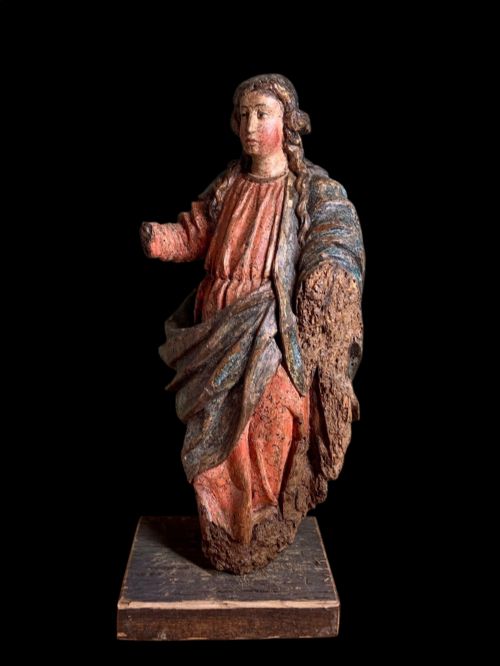
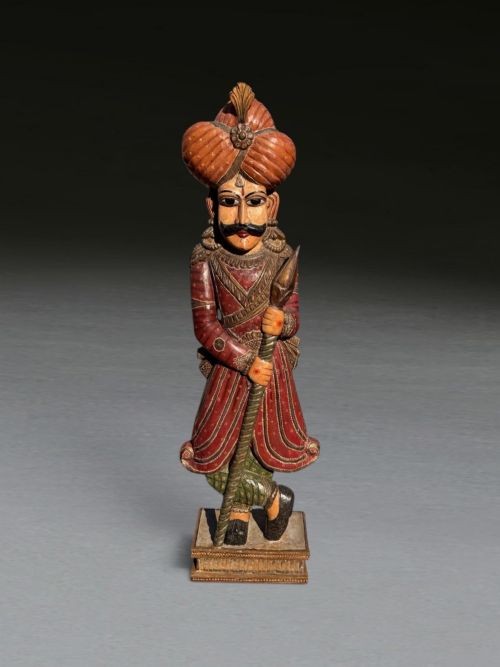
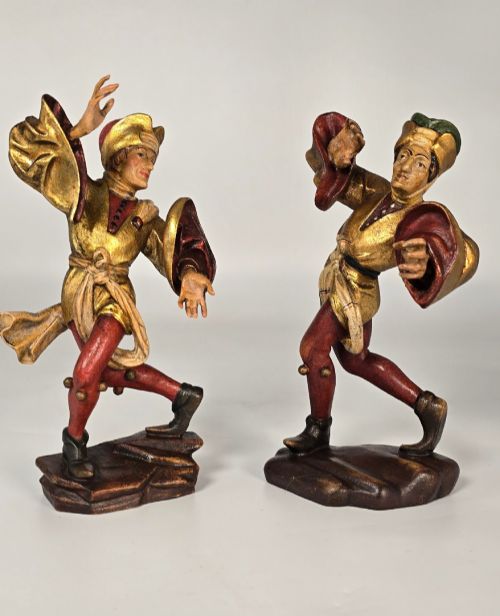
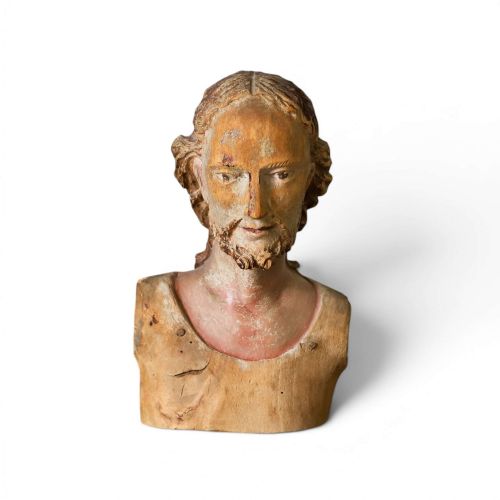
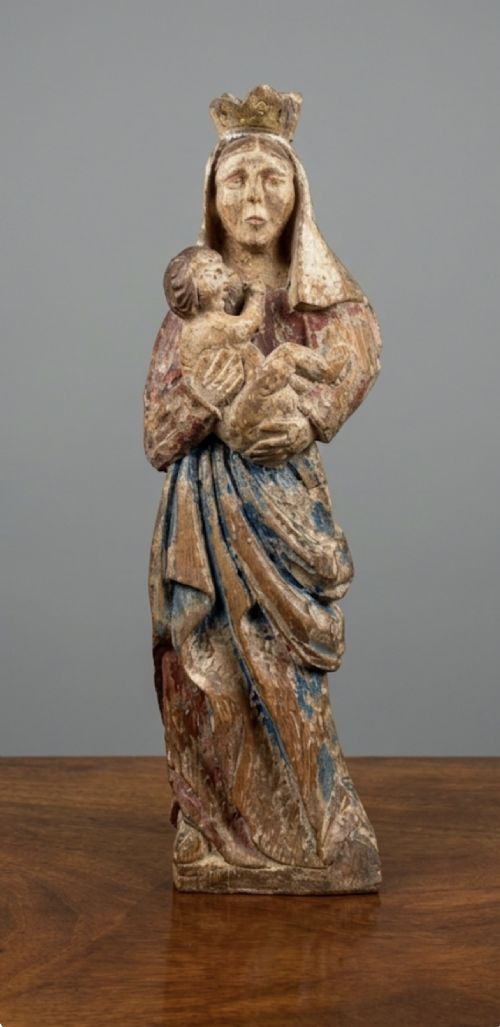
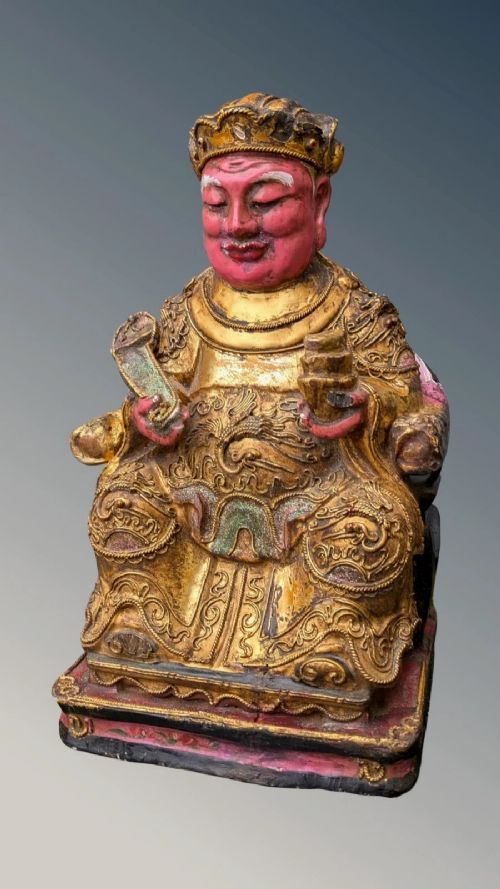

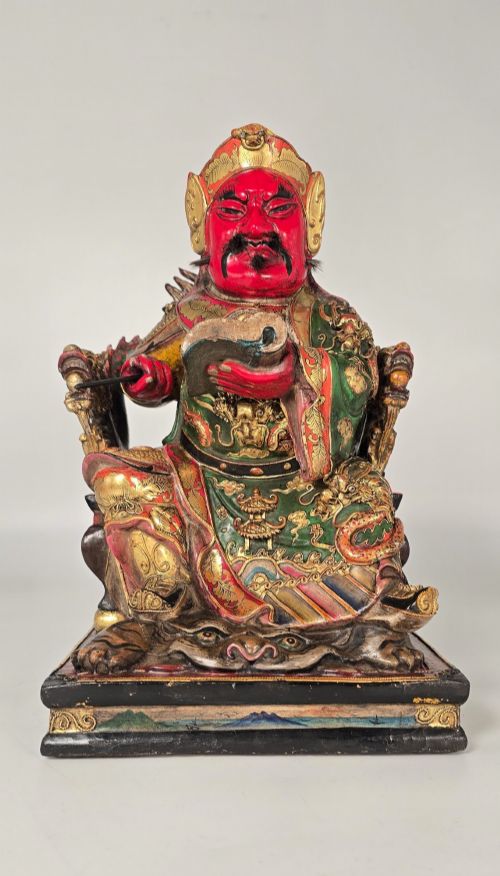
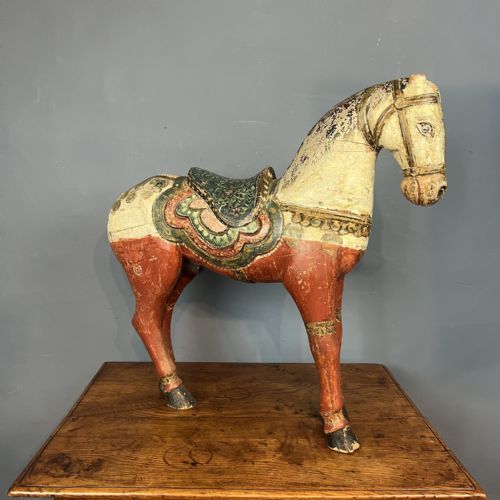
Polychrome Carved Wooden Figure
A polychrome carved wooden figure brings centuries of pigment and chisel work straight into a room, offering rich historical character.
Polychrome Carved Wooden Figure
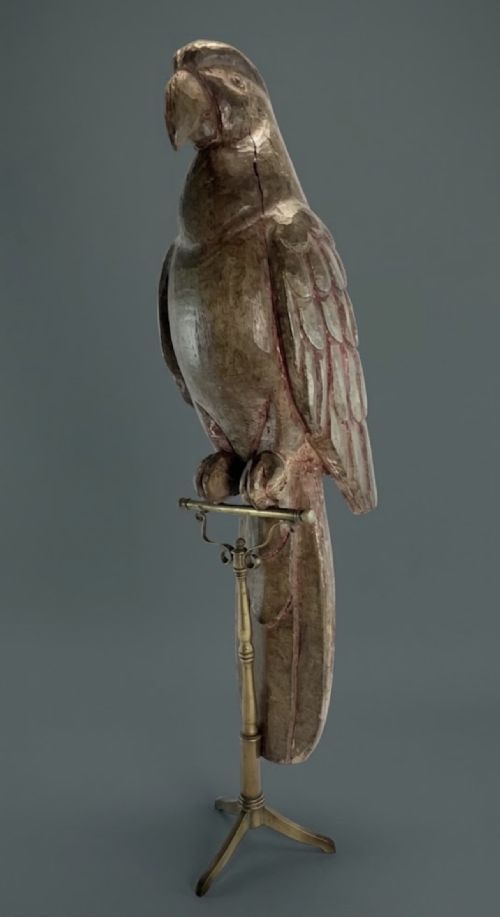
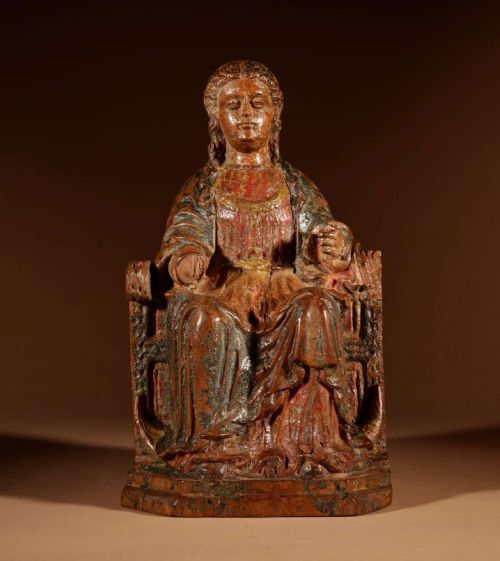
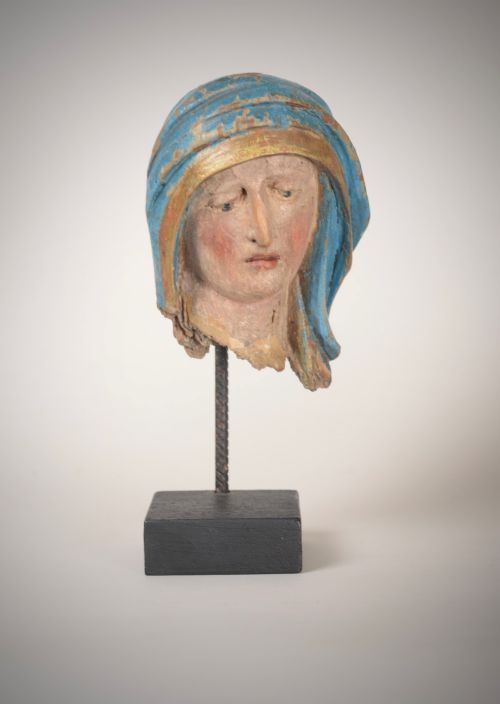
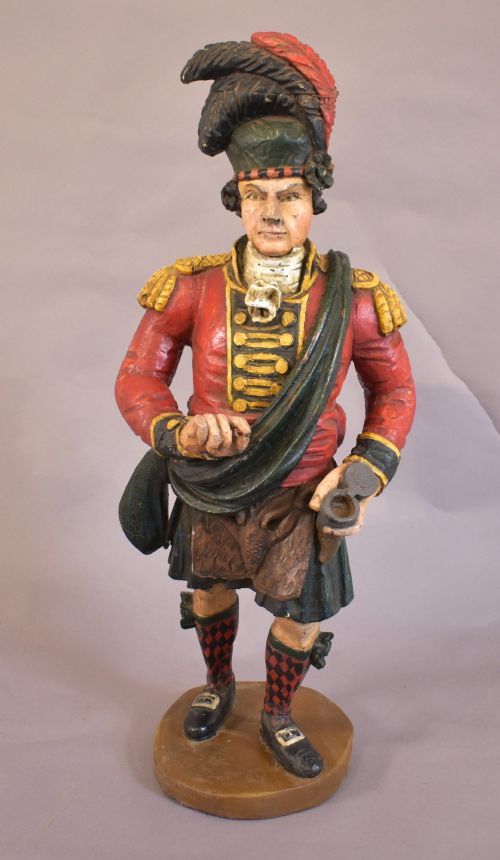
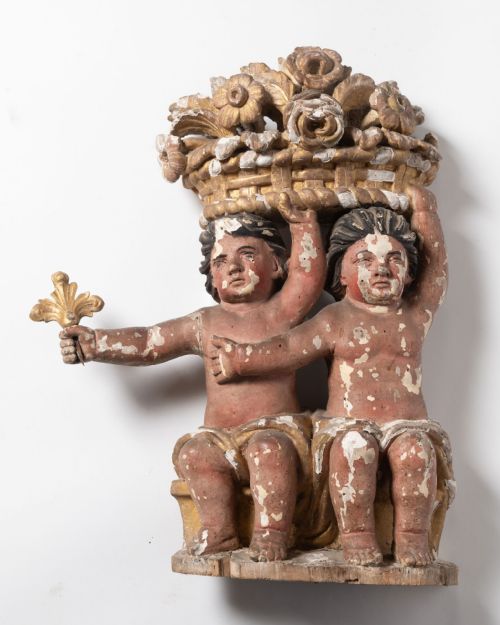
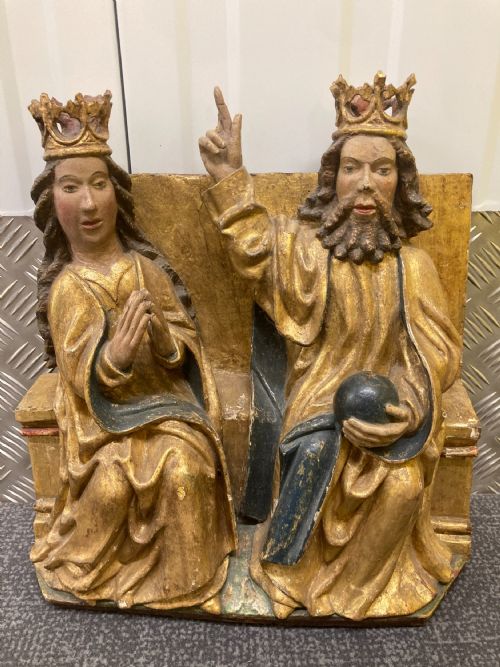
When you search for a polychrome carved wooden figure, you are looking at carved sculptures finished with paint, gesso, or gold leaf across multiple centuries. The selection spans religious icons, saints, angels, and secular subjects like trade signs, soldiers, and scholars.
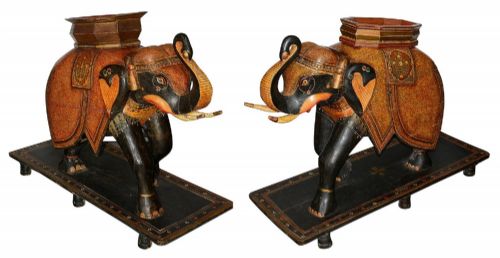
The version you are most likely to meet on this page is a nineteenth-century or eighteenth-century piece, often originating from European or Chinese workshops. These range from small devotional busts and fragments to large temple guardians and floor figures.
How They Were Made
Carvers shaped native timbers such as oak, walnut, olive wood, and limewood using gouges and chisels before applying surface decoration. Artisans then built up details with gesso layers, which accepted rich polychrome paint schemes and gold leaf gilding.
Many Eastern and European examples incorporate lacquer work alongside hand-painted pigments to seal and colour the timber. The resulting surfaces demonstrate how makers combined structural carving with layered decorative finishes.
Listings include European and Asian origins, spanning sixteenth-century religious carvings to twentieth-century folk art and trade signs.
What Varies in Quality
Quality rests upon the sensitivity of the carving and the original integrity of the polychrome surface. Finer examples display confident facial expressions, fluid drapery folds, and harmonious pigment application that has aged naturally with the wood.
The distinction between ordinary workshop output and superior pieces lies in anatomical proportion and the depth of relief work. Pieces retaining undisturbed early gilding and original paint layers command greater interest than heavily repainted surfaces.
The Polychrome Carved Wooden Figure Glossary
- Polychrome
- Decorated in multiple colours. This term describes statues and carvings finished with various painted pigments.
- Gesso
- A plaster-like mixture applied to wood as a base for paint or gold leaf. It creates a smooth surface for detailed decoration.
- Giltwood
- Wood that has been coated with gold leaf or gold paint. It frequently appears alongside polychrome pigments on religious figures.
- Capipote
- A Spanish devotional figure with a carved head and hands attached to a dressed wooden framework. These statues often wore real fabric garments.
- Lacquer
- A clear or coloured varnish applied in thin coats to produce a hard, durable finish. It is common on Asian carved figures.
Polychrome Carved Wooden Figure: Frequently Asked Questions
What is a polychrome carved wooden figure?
These pieces are three-dimensional sculptures carved from timber and decorated with painted pigments, gesso, or gold leaf. They encompass religious icons, folk art, and decorative figures from various global traditions.
Craftsmen produced them for churches, temples, domestic shrines, and public trade displays. Each item combines sculptural form with layered surface artistry.
How were these figures originally used?
Many served devotional purposes in European churches and Chinese temples, acting as focal points for prayer or ritual. Others functioned as secular trade signs, architectural ornaments, or decorative furnishings in wealthy homes.
Religious examples often depicted saints, madonnas, and deities, while secular pieces represented soldiers, scholars, or folk characters. Their context dictated their scale, attire, and placement.
How do I live with a wooden figure?
Place these sculptures away from direct sunlight and sudden temperature shifts to protect the underlying timber and painted surfaces. Stable indoor conditions prevent the wood from splitting and safeguard fragile gesso layers.
Allow sufficient space around larger statues or temple guardians so their form and surface detail remain visible. Gentle dusting with a dry cloth maintains the finish without moisture damage.
How can I tell the period apart?
Dating relies on stylistic clues, costume details, tool marks, and the ageing characteristics of the wood and paint. Earlier medieval and Renaissance pieces often display heavier religious iconography and dense hardwoods.
Later nineteenth-century items frequently show broader stylistic influences, including folk art and Asian trade pieces. Examining the preparation layers beneath the paint helps clarify the age of the construction.