


Pollard Oak Cupboard
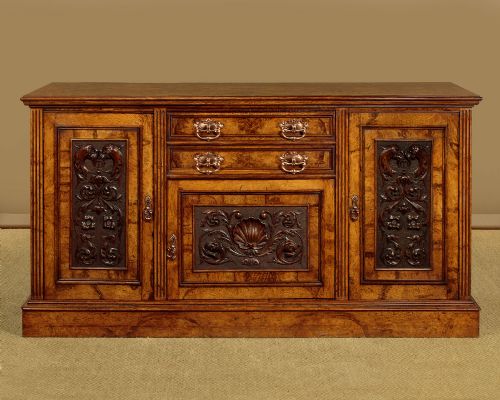
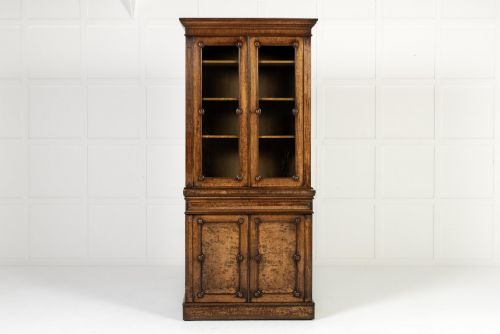
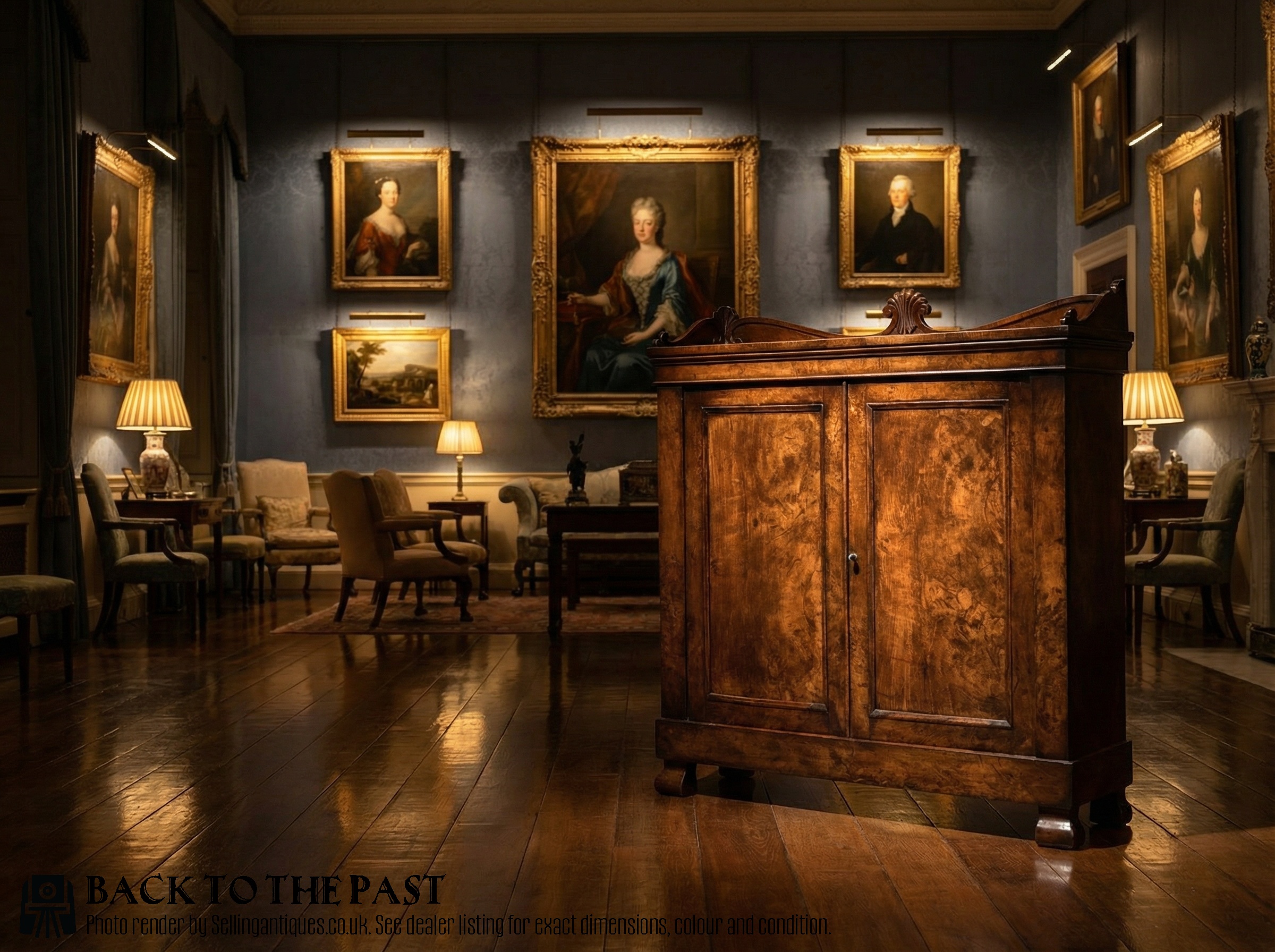
These pollard oak cupboard pieces are striking storage items defined by their distinctive timber growth patterns, prized by collectors for their rich figuring.
Pollard Oak Cupboard
When searching for a pollard oak cupboard, buyers encounter substantial timber storage furniture spanning several distinctive historical periods. These pieces include bookcases, sideboards, wardrobes, and credenzas.
The examples most commonly met on this page date from the Victorian era and the nineteenth century, alongside Regency pieces. They utilise timber taken from pollarded trees, which creates clustered knots and dense, swirling grain.
Forms range from small bedside cupboards and low three-door units to large glazed bookcase cupboards and grand credenzas. Each item showcases the remarkable decorative potential of this figured British hardwood.
How they were made
Cabinet makers constructed these pieces using solid oak and pollard or burr oak veneers to display the mottled, knotty grain patterns. Carpenters frequently combined this timber with contrasting materials such as ebony inlay, brass fittings, and glass panels.
The joinery matches the substantial proportions of the furniture, utilising sturdy framing to support heavy timber doors and shelving. Workshops shaped the wood into Gothic revival designs, Regency forms, and Aesthetic movement pieces.
Tree pollarding started as a practical method to gather wood for fencing without felling the entire tree, accidentally creating cabinet maker treasure.
What varies in quality
Quality rests primarily upon the density and visual impact of the timber figuring across the visible surfaces. Finer examples display an even distribution of knots and rich colour variation throughout the pollard oak veneer.
Construction standards also separate the range, with superior items retaining original brass hardware, undamaged ebony inlay, and well-fitted glazed doors. The skill of the cabinet maker determines how cleanly the veneers align at the corners and panels.
A Blain & Son Liverpool·William Trotter
The Pollard Oak Cupboard Glossary
- Pollard oak
- Timber harvested from trees that were cut back near the main trunk to encourage dense branch growth. This pruning method produces clustered knots and a highly decorative, mottled grain pattern.
- Credenza
- A large sideboard or cabinet used for display and storage. These substantial pieces often feature glazed doors or extensive cupboard space.
- Gothic revival
- A nineteenth century design style inspired by medieval architecture. Pieces in this style incorporate pointed arches, heavy moulding, and structural verticality.
- Press cupboard
- A traditional tall storage unit featuring internal shelving or hanging space enclosed by doors. They were widely used for linen and garments.
- Burr oak
- A woody outgrowth on an oak tree containing numerous dormant buds. When sliced into veneer, it yields a swirling, highly figured surface.
Pollard Oak Cupboard: Frequently Asked Questions
What is pollard oak?
Pollard oak is timber taken from trees that were periodically pruned close to the trunk to stimulate dense branch growth. This process creates tight clusters of knots and a distinctive, speckled grain.
The resulting wood produces highly decorative surfaces that cabinet makers utilised for statement furniture.
How do I date a cupboard?
Dating relies on stylistic clues, construction methods, and prevailing design movements. Pieces from the Regency era feature classical restraint, while Victorian and Gothic revival examples display heavier ornamentation.
Examining the secondary timbers inside the cupboard also helps determine the exact period of manufacture.
Where were these placed?
These cupboards served as prominent storage and display furniture in principal rooms of grand nineteenth century houses. Bookcases and credenzas stood in libraries and dining rooms, while smaller units served bedrooms.
Their striking timber figuring ensured they functioned as decorative centerpieces as well as practical storage.
How should I care for it?
Maintenance involves keeping the timber away from direct heat sources and sudden humidity changes to protect the veneer. Regular dusting with a soft, dry cloth preserves the polished surface.
Avoid modern silicone polishes and use traditional beeswax sparingly to maintain the natural lustre of the oak.