

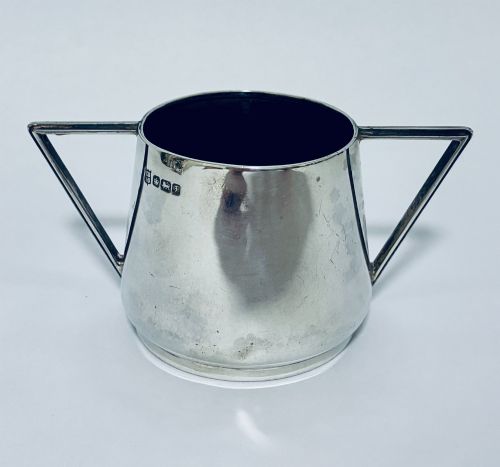
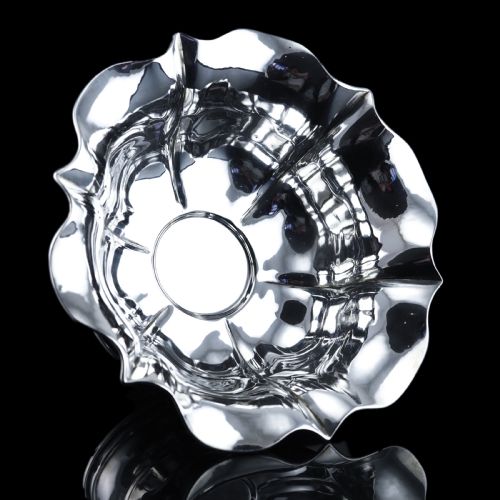


Polished Silver Bowl
A polished silver bowl brings bright metal and clean reflection to a table, combining utility with decorative grace across centuries of design.
Polished Silver Bowl
When you search for a polished silver bowl, you encounter a wide variety of domestic vessels spanning multiple eras from Georgian pedestal dishes to Art Deco sugar basins. These items serve primarily as table wares or decorative centrepieces, shaped to catch the light and hold everything from fruit to bread.
The pieces on this page appear in numerous forms, including pedestal bowls, quaichs, bread baskets, and salad servers incorporating oak or ceramic elements. Such vessels reflect the prevailing tastes of their respective periods, moving from ornate nineteenth-century repousse work to the geometric lines of the 1920s and 1930s.
How they were made
Maker's workshops constructed these vessels predominantly using sterling silver, solid silver, and silver plate over base metals, occasionally pairing the metal with polished oak or ceramic bodies. Artisans employed techniques such as piercing and repousse work to create decorative relief patterns on the exterior walls of the bowls.
Interiors frequently received a layer of vermeil or gilt finish to contrast with the bright exterior metal, while handles and rims utilised cast or applied elements. Construction methods varied from hand-beaten solid silver forms to plated assemblies produced by established manufacturing firms.
Polished Silver Bowl Retail Price Guide 2026
Typical asking prices for polished silver bowl among the pieces listed under this phrase on Sellingantiques today, from the lower quarter to the upper quarter. They describe what is for sale here now, not the wider market.
Listings on this page span several eras including the eighteenth, nineteenth, and twentieth centuries, featuring sterling silver, silver plate, and mixed media like oak.
What varies in quality
The distinction between standard domestic items and finer examples rests on the crispness of the chased or pierced decoration and the overall weight of the metal. Heavier gauge silver provides a more substantial feel in the hand and resists distortion better than thinner alternatives.
Execution of design details, such as the neatness of figural mounts or the retention of original gilt interiors, separates ordinary production from exceptional work. Pieces bearing clear hallmarks and attribution to recognised makers or retailers carry distinct advantages in craftsmanship.
Goldsmiths & Silversmiths Co·William Padley
The Polished Silver Bowl Glossary
- Quaich
- A traditional Scottish drinking vessel featuring two flat handles, often adapted into shallow bowl forms. It sits low on a base and usually displays clean, symmetrical lines.
- Repousse
- A metalworking technique where the artisan hammers the design from the reverse side to form a raised pattern on the front. This creates textured, three-dimensional surface decoration.
- Pedestal bowl
- A vessel elevated on a raised foot or stem rather than resting directly on its base. This form lifts the bowl to a more prominent position on a dining table or sideboard.
- Vermeil
- A layer of gold plating applied over sterling silver or solid silver. It provides a warm golden interior contrast against the polished silver exterior.
Polished Silver Bowl: Frequently Asked Questions
What were polished silver bowls used for?
These vessels served diverse domestic functions, ranging from holding sugar and bread at the dining table to acting as decorative display pieces and salad bowls.
Heavier examples accommodated wet or dry foods, while lighter baskets held bread or fruit for guests during formal meals.
How do I care for a polished silver bowl?
Regular maintenance involves gentle cleaning with appropriate silver polishes to maintain the reflective surface without removing the underlying plating or metal.
Storing the vessel in a dry environment prevents rapid tarnishing and keeps the polished finish bright for daily use or display.
How do I identify an Edwardian silver bowl?
Edwardian pieces often display stylistic links to earlier Georgian and Victorian traditions while incorporating lighter, refined mounts characteristic of the early twentieth century.
Assay office marks and date letters stamped onto the silver provide precise verification of the manufacturing period.
What is the difference between solid silver and silver plate?
Solid silver and sterling silver consist of precious metal all the way through the piece, offering enduring material value and longevity.
Silver plate involves a thin layer of silver bonded over a base metal core, which allows for substantial decorative vessels at a different production cost.