

Pocket Watch Chain with Fob
A pocket watch chain with fob is a functional link between timepiece and waistcoat, offering collectors a wearable piece of period engineering.
Pocket Watch Chain with Fob
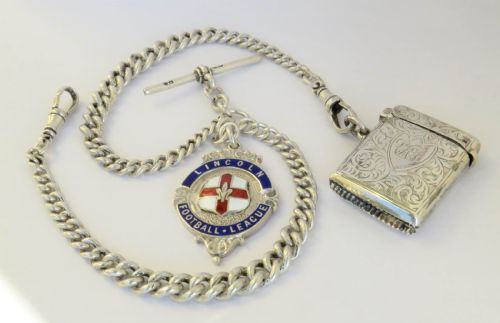
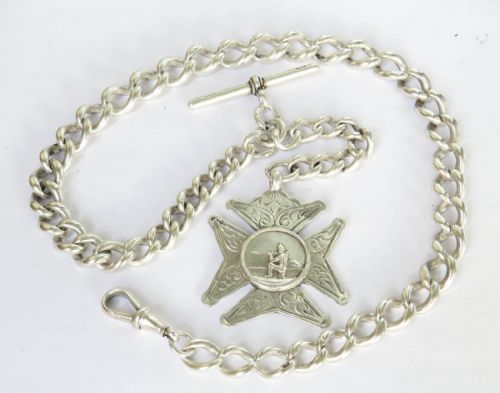
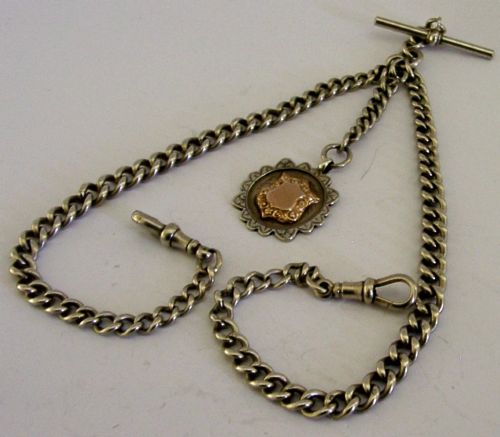
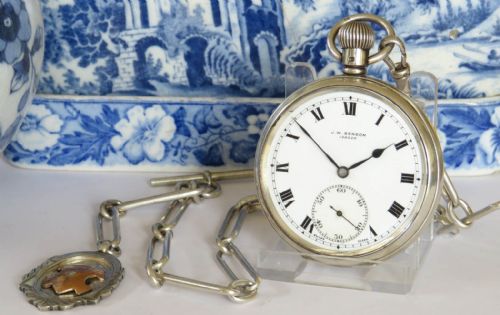
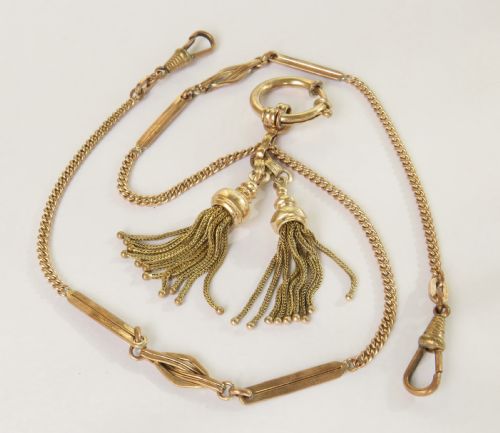
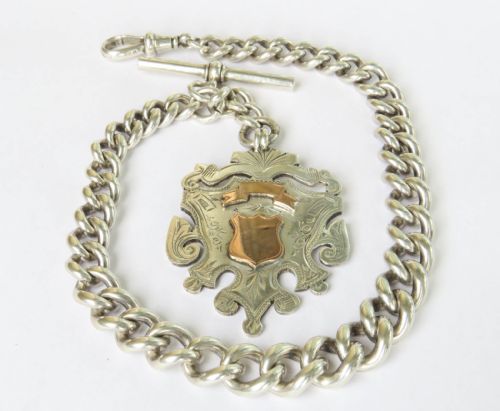
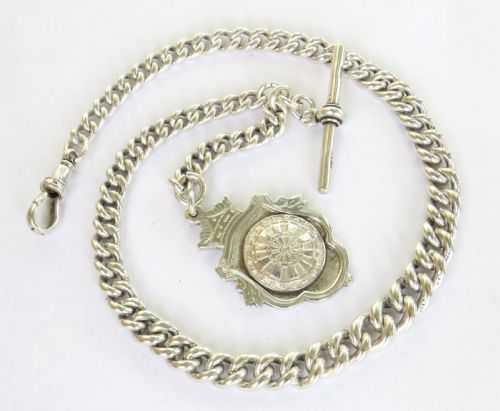
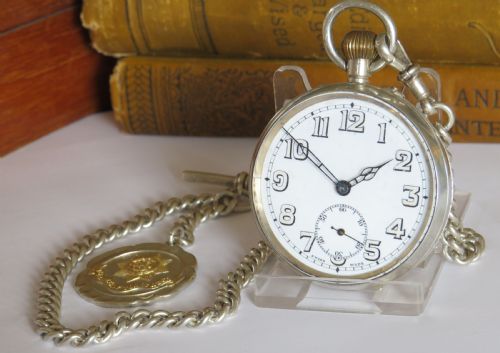
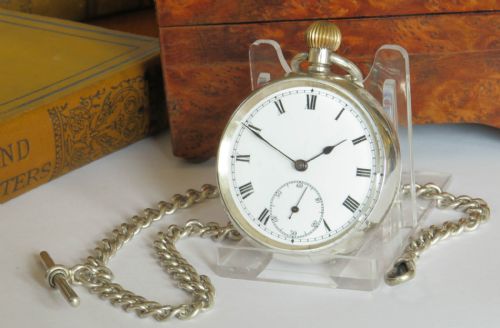
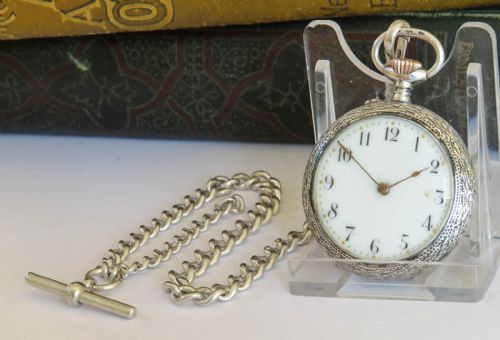
A pocket watch chain with fob brings together the flexible security of an albert or watch chain and the decorative weight of a dangling pendant. These pieces emerge from the Victorian, Edwardian, and Art Deco eras, spanning the opening decades of the twentieth century. Most examples on this page pair a linked metal chain with a swivel, T-bar, and a distinct hanging fob.
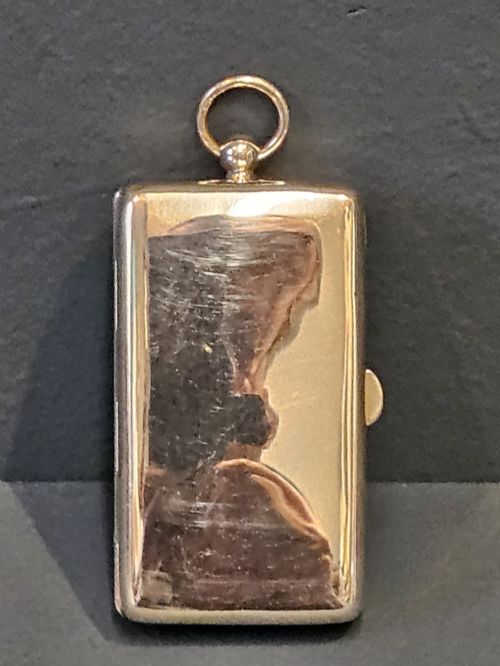
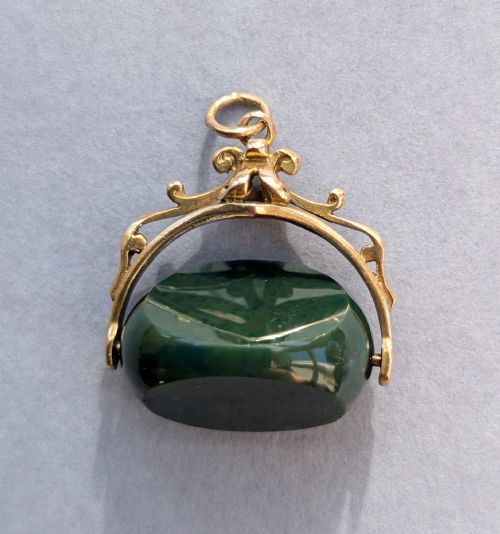
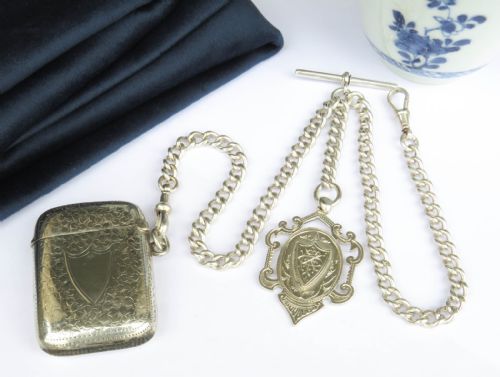
The objects take several forms, from single strands to robust double albert chains designed to span two waistcoat pockets. Hanging elements range from simple metal seals and compasses to bloodstone swivel fobs, tassels, and specialised commemorative medallions. Buyers encounter these arrangements alongside complete pocket watch sets or as standalone lengths of jewellery.
How They Were Made
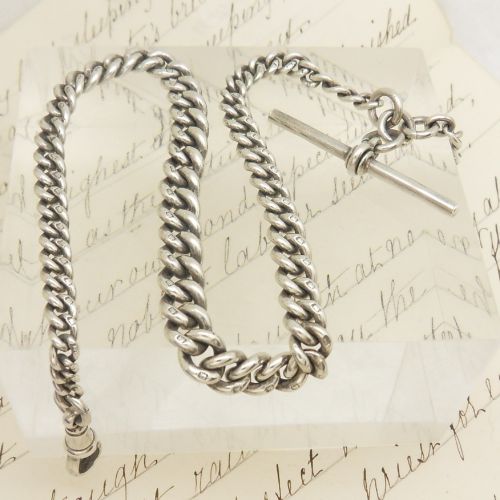
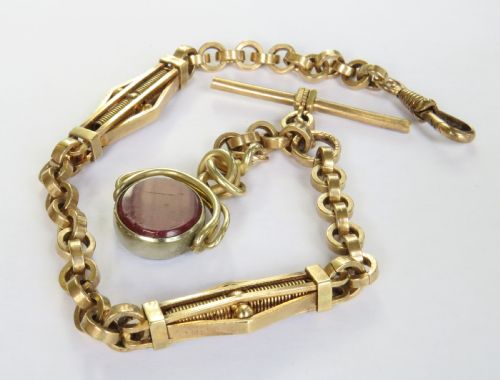
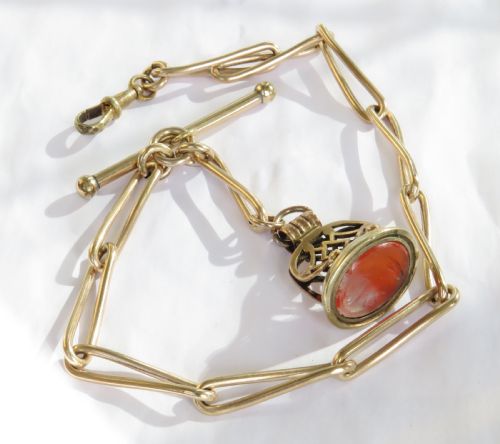
Silversmiths and jewellers constructed these chains using varied links, such as trombone patterns, love knots, or solid curb links, fastened with dog clips and T-bars. Metal selection defines the physical weight of each piece, moving from solid sterling silver and gold to gold filled, rolled gold, nickel, steel, and base metal. Fobs incorporate decorative hardstones like bloodstone alongside glass and enamel details.
Makers fashioned components to withstand daily wear while maintaining ornamental detail, utilising stamped metalwork, cast swivel mounts, and soldered jump rings. The construction methods vary according to the metal grade, with solid precious metals displaying crisp hallmarks and base metals relying on durable plating or alloy mixtures.
Pocket Watch Chain with Fob Retail Price Guide 2026
Typical asking prices for pocket watch chain with fob among the pieces listed under this phrase on Sellingantiques today, from the lower quarter to the upper quarter. They describe what is for sale here now, not the wider market.
Listings feature items from the Victorian, Edwardian, and Art Deco periods, utilising materials from base metal and steel to sterling silver and gold filled.
What Varies in Quality
Quality rests in the material substance and the integrity of the individual links, moving from standard plated base metals up to heavy solid sterling silver and gold. A superior chain demonstrates uniform link construction, secure spring in the dog clips, and robust hinges on swivel fobs.
The distinction between ordinary and exceptional pieces lies also in the character of the attached fob. A standard metal disc lacks the presence of a finely turned bloodstone swivel or a detailed commemorative medallion, which elevates the entire assembly.
Waltham·Omega·Horos·Doxa·Electa·J W Benson
The Pocket Watch Chain with Fob Glossary
- Albert chain
- A heavy pocket watch chain designed to pass through a waistcoat buttonhole, named after Prince Albert. Single versions anchor on one side while double versions span across the front.
- Albertina
- A finer, more delicate variant of the albert chain, frequently woven from multiple strands of silver or gold. These pieces were traditionally worn by women.
- T-bar
- The small horizontal metal bar attached to the centre of a watch chain. It slips through a buttonhole to secure the chain safely in the pocket.
- Swivel fob
- A pendant mounted on a pivoting axis that allows the wearer to display two different faces, such as a polished stone and an engraved crest.
- Dog clip
- A spring-loaded snap hook attached to the end of the chain. It fastens directly to the loop of a pocket watch.
Pocket Watch Chain with Fob: Frequently Asked Questions
How do I wear a pocket watch chain with fob?
The T-bar fastens through a central buttonhole of a waistcoat, allowing the chain to drape across the front. The watch sits in one pocket while the fob hangs from a separate drop.
Modern wearers often adapt these chains as necklaces or secure them to belt loops and jacket lapels using the existing dog clips.
What metals are these chains made from?
Surviving examples use sterling silver, solid gold, and gold filled wire alongside more utilitarian metals like nickel, steel, and base alloys. Hallmarks stamped onto the links often indicate the silver standard and year of assay.
Fobs frequently introduce secondary materials including glass, enamel, and natural stones such as bloodstone.
How do I date a watch chain and fob?
Dating relies on hallmark stamps, stylistic markers, and any accompanying timepieces. Victorian and Edwardian pieces lean towards ornate silver work and gemstone fobs, while later 1930s examples often reflect Art Deco geometry.
Companions like compasses or specific trade fobs provide historical context for when the assembly was compiled.