

Pocket Card Holder
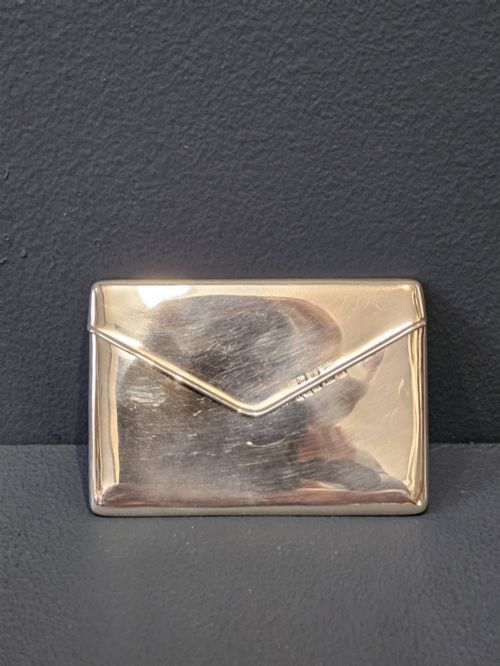
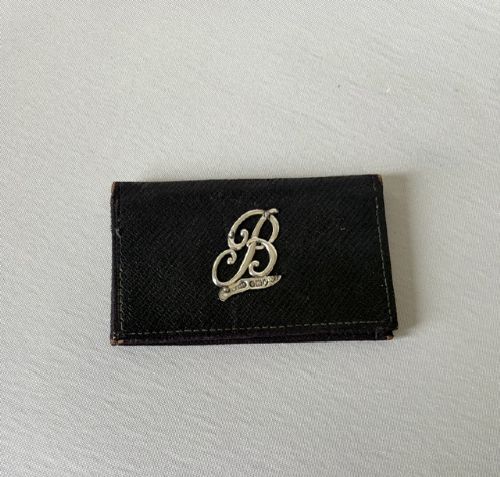
A pocket card holder is a portable silver or tortoiseshell case designed to carry visiting cards, cigarettes, or notes, combining practical pocket storage with decorative artistry.
Pocket Card Holder
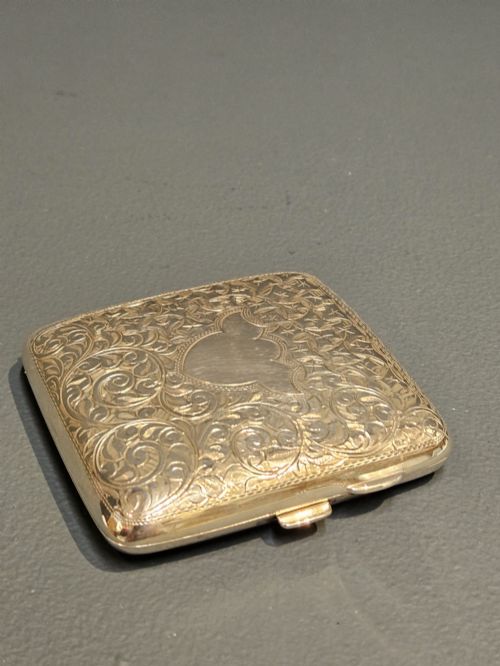
When you search for a pocket card holder on this page, you encounter small personal cases originating predominantly from the Victorian and Edwardian eras, alongside Art Deco and early twentieth-century examples.
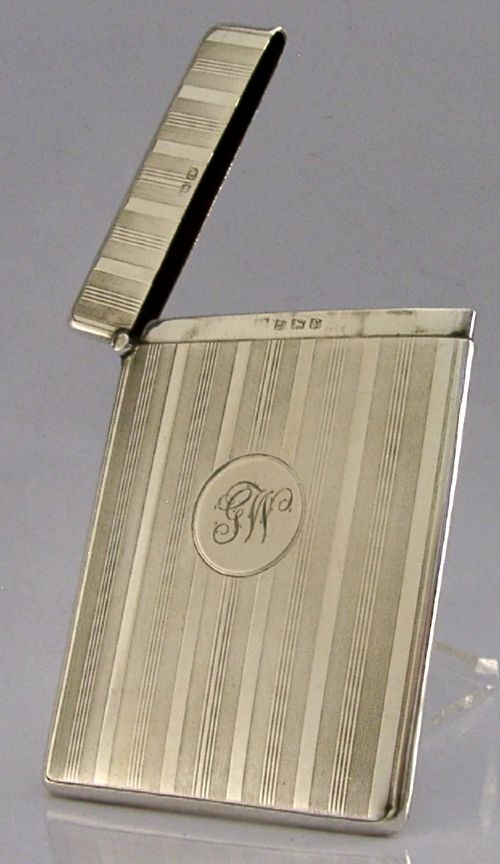
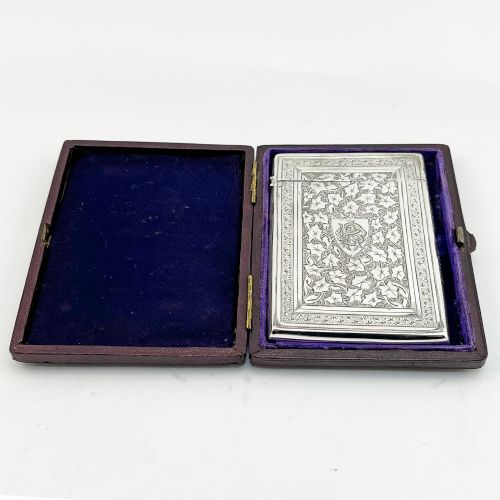
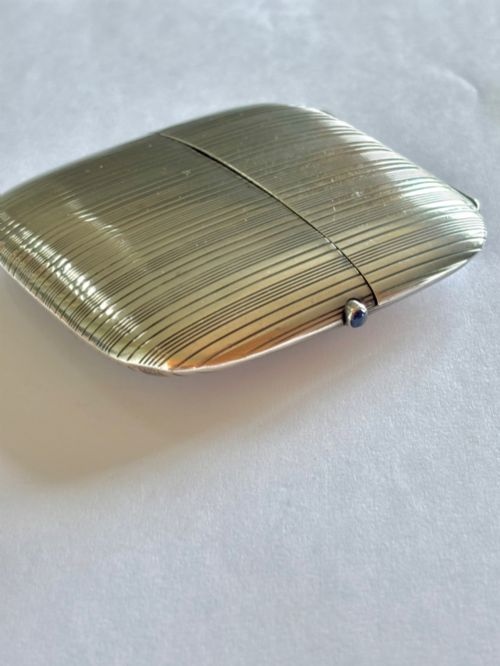
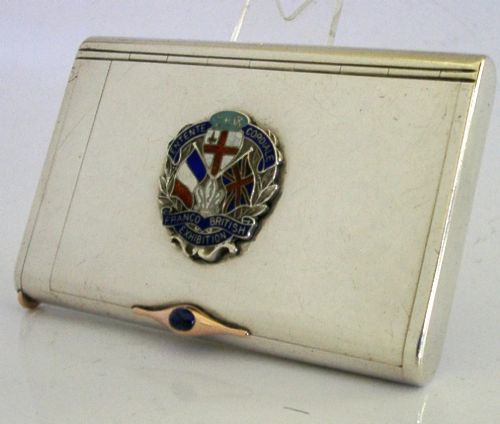
The objects take several distinct forms, functioning as visiting card cases, cigarette cases, aide-mémoires, and combined stamp or notelet cases.
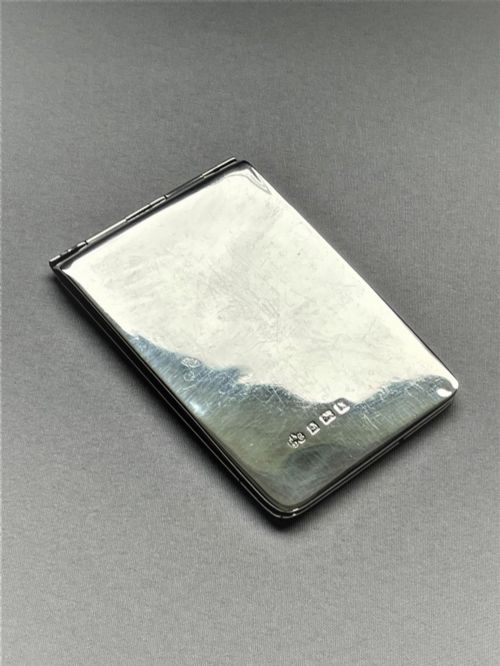
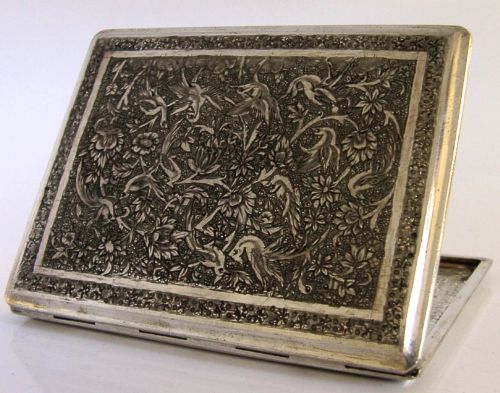
The selection ranges from British sterling silver pieces marked by makers in Birmingham and Chester to continental silver-gilt items, tortoiseshell constructions, and eastern decorative styles.
Materials and Technique
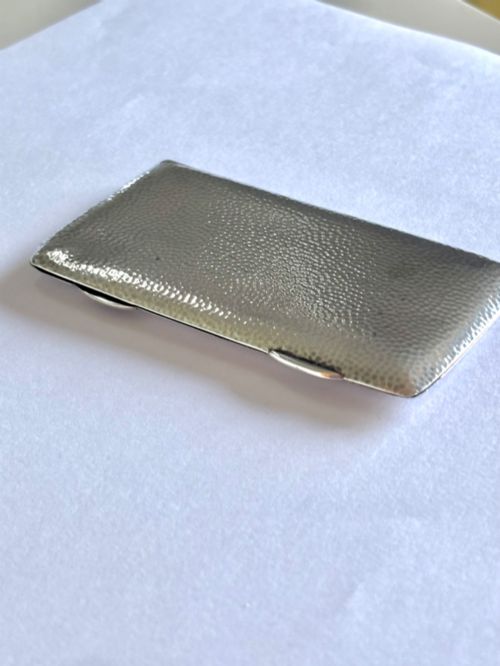
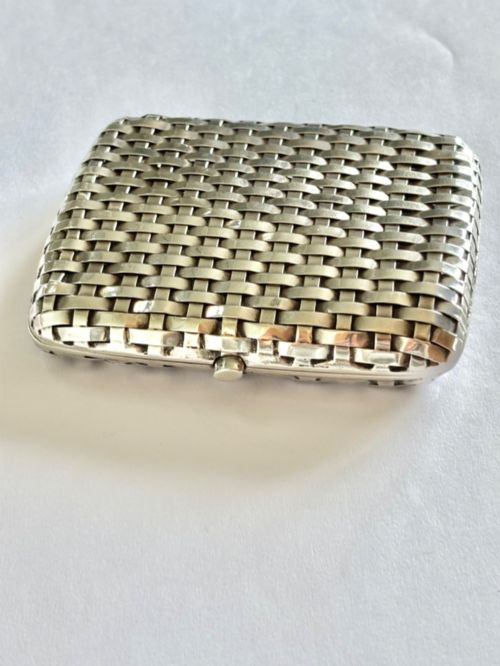
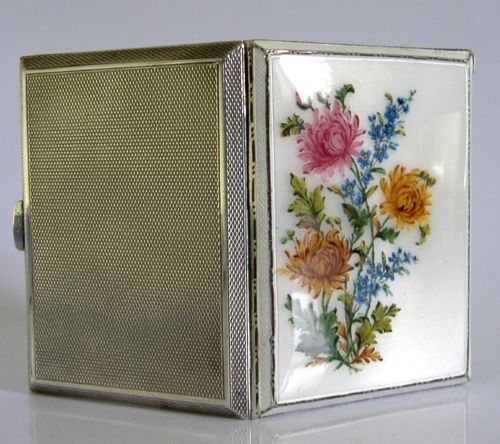
Makers utilised sterling silver, silver gilt, and high-purity continental silver as the primary structural metals, frequently shaping them through hammering, engine turning, and basket-weave designs.
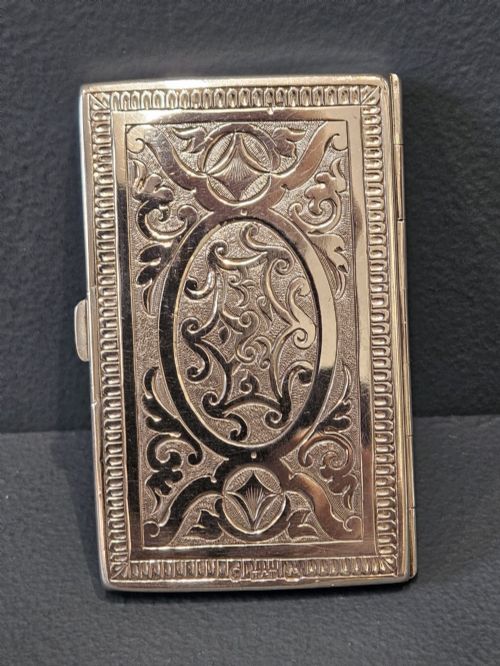
Surface ornamentation relies heavily on hand-painted enamel, intricate repoussé work, and applied gold, alongside natural materials such as tortoiseshell, mother-of-pearl, gemstone cabochons, and Connemara marble.
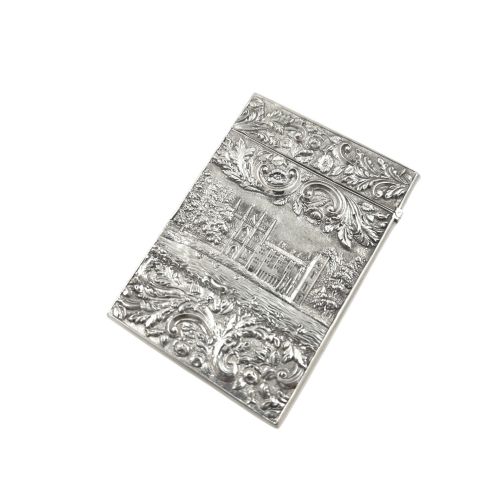
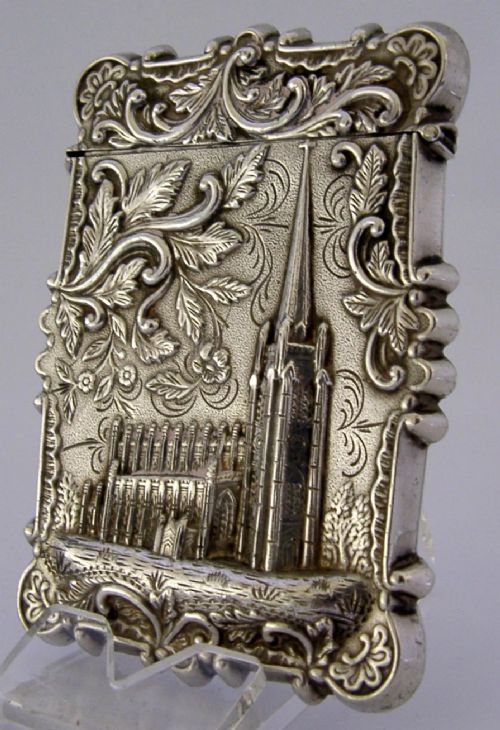
Many items incorporate specialised production techniques, including castle-top engravings depicting architectural landmarks and hinged mechanisms designed for secure opening.
Pocket Card Holder Retail Price Guide 2026
Typical asking prices for pocket card holder among the pieces listed under this phrase on Sellingantiques today, from the lower quarter to the upper quarter. They describe what is for sale here now, not the wider market.
Geographic origins range from British provincial assay offices to continental European workshops, Soviet-era makers, and Anglo-Indian silversmiths.
Distinctions in Quality
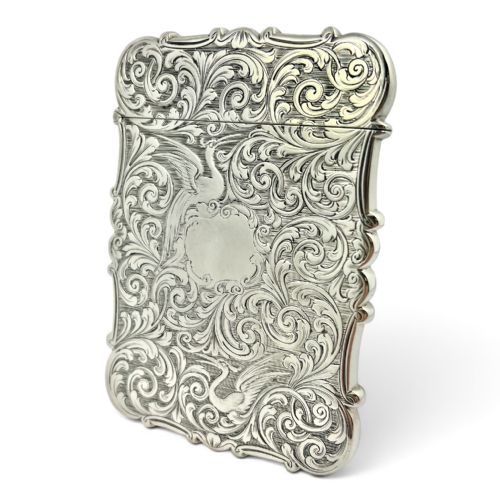
The distinction between standard utility items and exceptional pieces rests upon the crispness of the engraved or cast decoration, particularly in architectural castle-top scenes and figural reliefs.
Subtleties in craftsmanship appear in the weight of the metal, the precision of engine-turned patterns, and the integration of delicate materials like hand-painted enamel and precious stones.
Sampson Mordan·Fritz Bemberg·Nathaniel Mills·George Unite·Cartier·Edward Edwards·Foxall and Co·Liberty and Co
The Pocket Card Holder Glossary
- Castle-top
- A style of card case featuring a detailed topographical relief of a famous building or landmark on the cover. These pieces are highly sought after by collectors of nineteenth-century silver.
- Aide-mémoire
- A small pocket notebook or memorandum case, often fitted with a pencil and ivory writing tablet, used for recording notes and engagements.
- Vesta case
- A small portable box designed to hold wax matches, frequently combined in design and manufacture with cigarette and card cases.
- Silver gilt
- Silver that has been coated with a thin layer of gold on its surface, providing a rich two-tone appearance.
- Repoussé
- A metalworking technique where the artisan hammers the design from the reverse side to form a raised pattern in relief on the front.
Pocket Card Holder: Frequently Asked Questions
What is a pocket card holder used for?
These cases served as elegant personal accessories for carrying calling cards, visiting cards, or rolled cigarettes during social calls and formal outings in the nineteenth and twentieth centuries.
They protected delicate paper cards from bending in pockets or handbags while projecting the owner's taste and social standing.
How do I identify a Victorian piece?
Victorian examples often feature deep floral engraving, scrolling repoussé work, or architectural castle-top scenes stamped with nineteenth-century British hallmarks.
Examining the assay office marks and date letters stamped on the metal provides the exact year and city of manufacture.
Can I still use a vintage card case today?
Many of these silver and tortoiseshell cases remain perfectly sized for modern business cards, credit cards, or folded currency notes.
Their robust metal construction and secure latches make them practical everyday accessories for those who appreciate historical objects.
What distinguishes Art Deco designs from earlier styles?
Art Deco pieces from the 1920s and 1930s favour geometric lines, smooth enamel surfaces, and streamlined basket-weave patterns rather than the ornate floral motifs of the Victorian period.
Continental silver purity marks and minimalist gemstone cabochons frequently accompany these later twentieth-century forms.