





Pleated Shade Accent Lamp
These pleated shade accent lamp selections offer distinctive lighting forms shaped by periods from the nineteenth century to the 1930s.
Pleated Shade Accent Lamp
A pleated shade accent lamp brings period illumination into a room through diverse forms and origins. The selection centres primarily on table lamps originating from various international workshops and European traditions.
Buyers encounter pieces spanning the nineteenth century, Edwardian era, Regency period, and the 1900 to 1930 decades. Styles range from French Neoclassical and Louis XVI Revival to Chinoiserie, Art Nouveau, and Kashmiri designs.
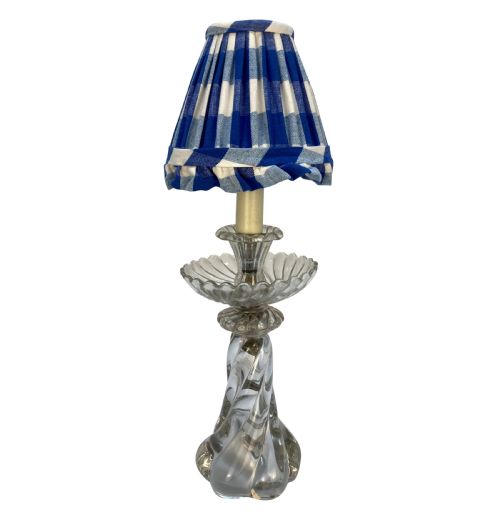
Most examples function as table lamps created by converting earlier vessels such as vases or candlesticks, or by building distinct lighting stands from scratch. These diverse origins provide numerous aesthetic choices for domestic interiors.
How They Were Made
Makers utilised a wide range of materials including brass, gilt bronze, ormolu, and metal to construct durable structural frameworks. Wood, ceramic, and crystal further expand the physical composition of these lighting pieces.
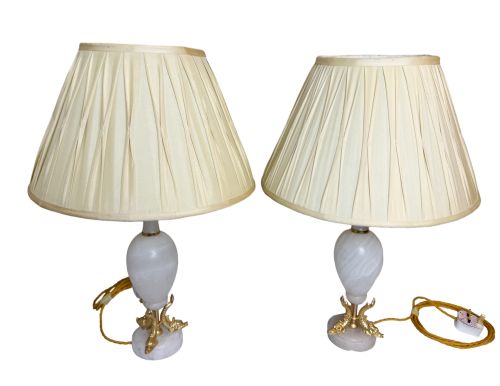
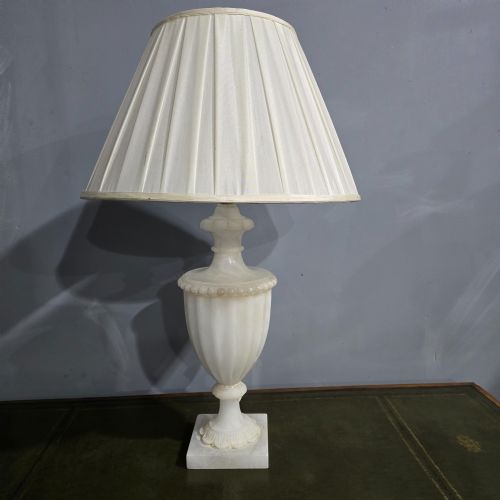
Alabaster and marble frequently form heavy, supportive bases or main bodies, particularly in French and Italian examples from the early twentieth century. Fabric components complete the functional design to diffuse light effectively.
Materials recorded across the selection include fabric, brass, gilt bronze, ceramic, alabaster, metal, wood, and ormolu.
What Varies in Quality
Quality differences emerge through the refinement of metal casting, the depth of gilding, and the purity of materials like alabaster and marble. Superior examples display crisp chasing on gilt bronze and ormolu mounts alongside well-balanced proportions.
The integration of converted elements, such as nineteenth-century vases or antique candlesticks into functional lamps, dictates the sophistication of the finished piece. Finer items maintain the structural integrity of the original object while accommodating modern wiring.
Ernst Bohne and Sohn
The Pleated Shade Accent Lamp Glossary
- Ormolu
- Finely ground high-carat gold applied to a bronze base through a mercury-gilding process. This technique creates a rich golden finish seen on many French decorative pieces.
- Alabaster
- A fine-grained mineral often used for carving decorative objects and lamp bodies. Its translucent quality allows light to diffuse softly through the stone.
- Chinoiserie
- European artistic style reflecting Chinese motifs and decorative techniques. This aesthetic appears on lacquered and painted lamp bodies from various periods.
- Meiji Period
- Japanese historical era spanning from 1868 to 1912. Pieces from this time, such as Satsuma ware, frequently find new life as converted table lamps.
Pleated Shade Accent Lamp: Frequently Asked Questions
What is a pleated shade accent lamp?
These pieces comprise decorative lighting fixtures designed for tables, incorporating materials like brass, alabaster, ceramic, and gilt bronze.
They draw upon historical styles ranging from French Neoclassical and Art Nouveau to Kashmiri and Chinoiserie designs.
How were these lamps used historically?
Such lighting provided localized illumination on desks, side tables, and mantelpieces in period drawing rooms and boudoirs.
Many examples began life as vases, candlesticks, or urns before being converted into functional lamps in later decades.
How do I style a period accent lamp?
Place these lamps on occasional tables or sideboards where their varied materials and profiles can add textural contrast to a room.
Pairing them with neutral walls allows the intricate metalwork, carved alabaster, or painted ceramic bodies to stand out.
How can I tell the period of a lamp?
Examine the materials, casting quality, and stylistic motifs, such as Edwardian brasswork or nineteenth-century ormolu mounts.
Construction methods and the nature of any converted vase or candlestick often provide clear clues to the original date of manufacture.