

Plated Ice Bucket
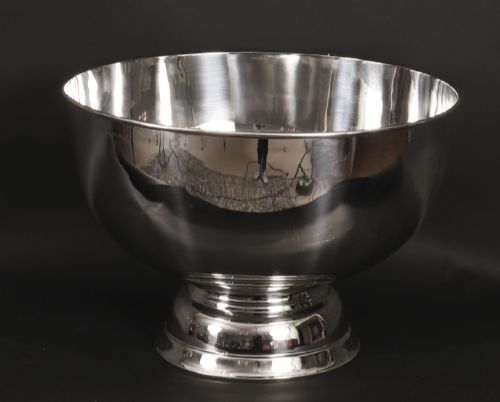
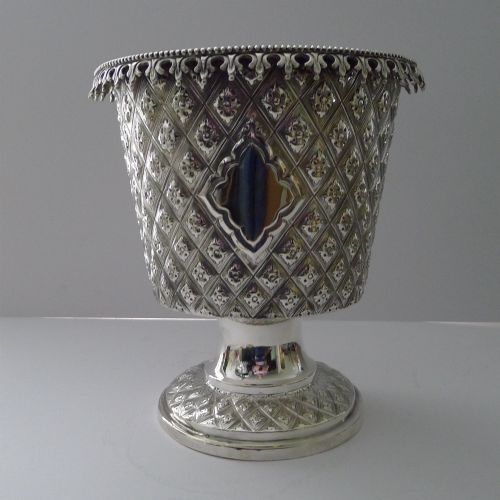
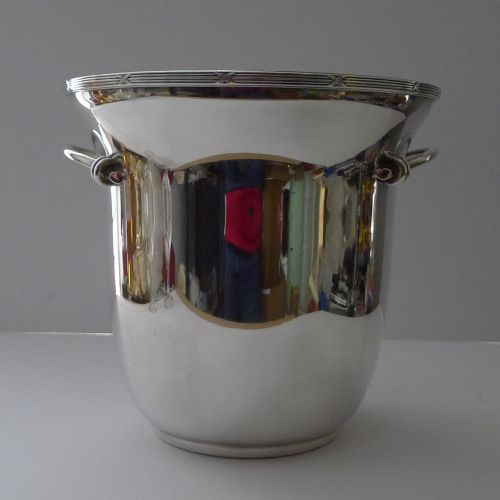
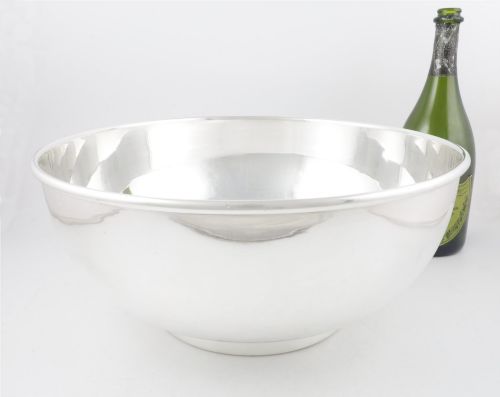
A plated ice bucket brings heavy metal sheen and crisp design to the table, keeping bottles cold with period style.
Plated Ice Bucket
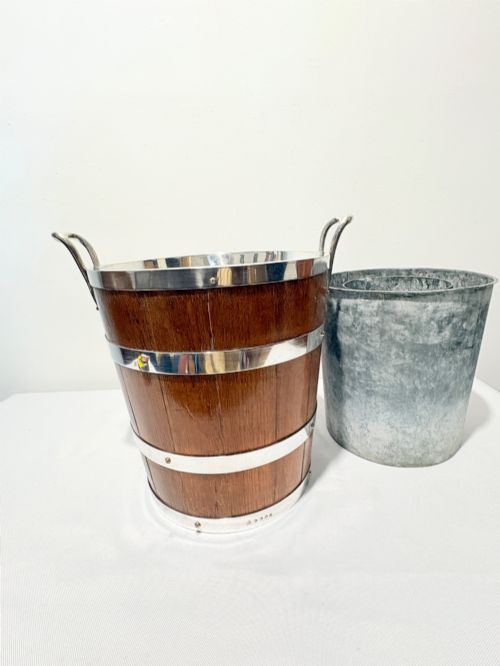
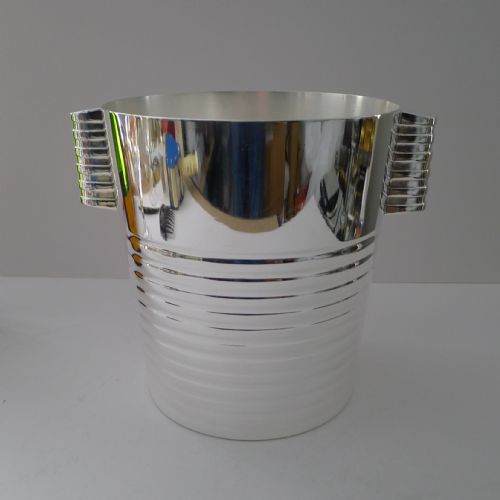
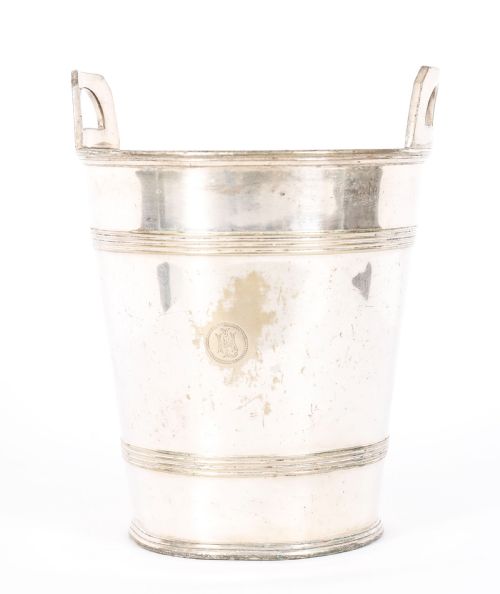
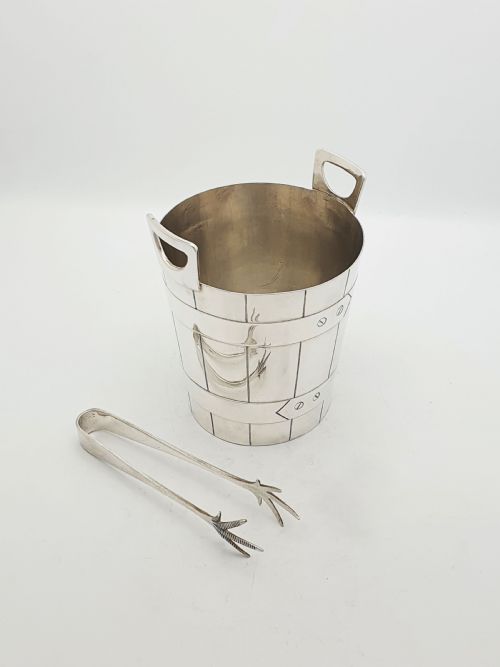
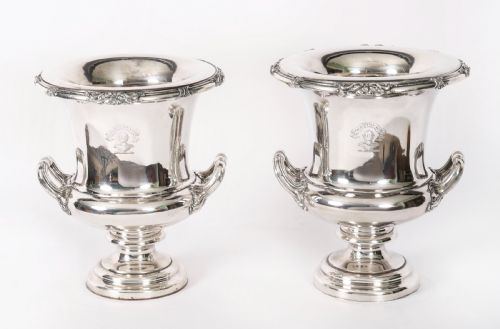
A plated ice bucket serves as a container for chilling bottles or holding ice at the table, spanning the nineteenth and twentieth centuries. These vessels appear in forms ranging from military drums and wooden barrels to sleek geometric vessels and tall champagne coolers.
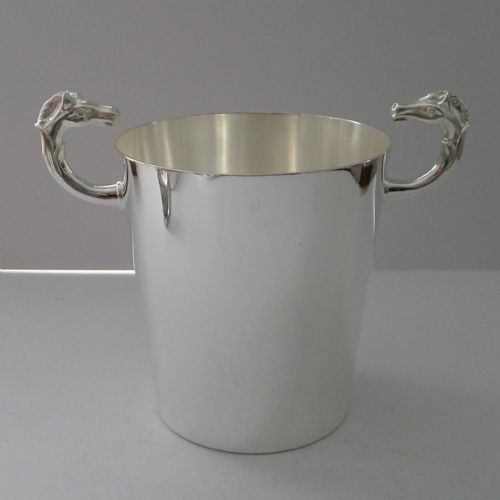
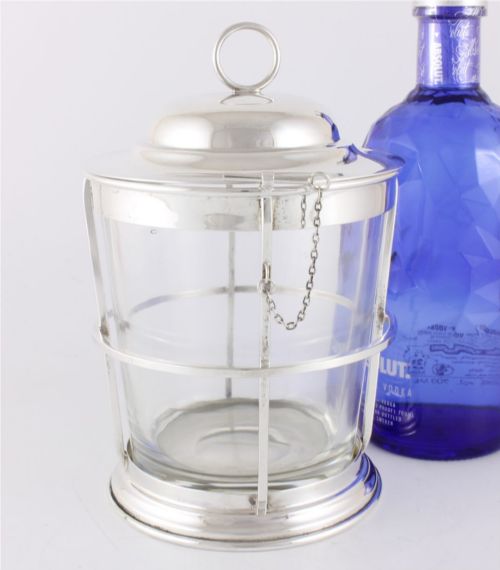
The selection here includes examples from the Georgian, Victorian, and Edwardian eras, alongside later Art Deco and Mid-Century Modern designs. Buyers frequently encounter pieces shaped like ship lamps, horse heads, and traditional twin-handled tubs.
Makers and workshops across England and France produced these items for domestic dining, ocean liners, and grand hotels. The pieces double as functional barware and sculptural centrepieces for the modern interior.
Materials and construction methods
Silver plate, Old Sheffield plate, and silver on copper form the metallic body of these pieces, providing a bright reflective surface over a base metal. Smiths and manufacturers combined these plated surfaces with structural elements of oak, copper, and brass.
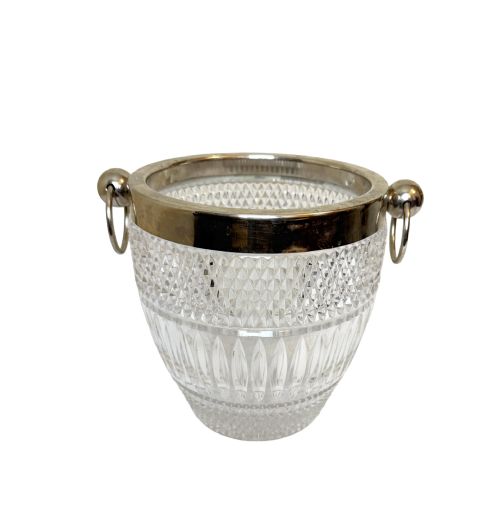
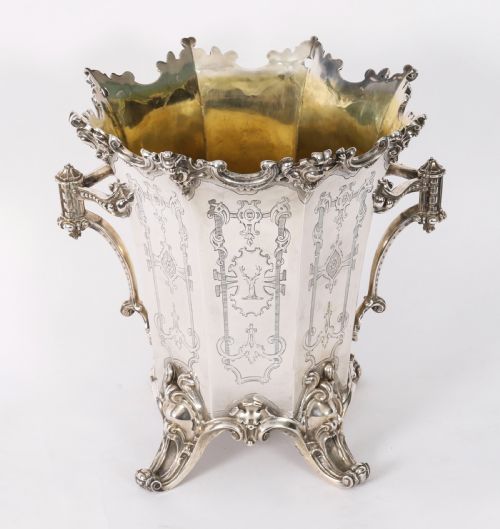
Many items feature cut glass and heavy lead crystal liners held within pierced or solid metal frames. Makers utilised embossing, casting, and applied mounts to create detailed borders, handles, and armorial crests.
Plated Ice Bucket Retail Price Guide 2026
Typical asking prices for plated ice bucket among the pieces listed under this phrase on Sellingantiques today, from the lower quarter to the upper quarter. They describe what is for sale here now, not the wider market.
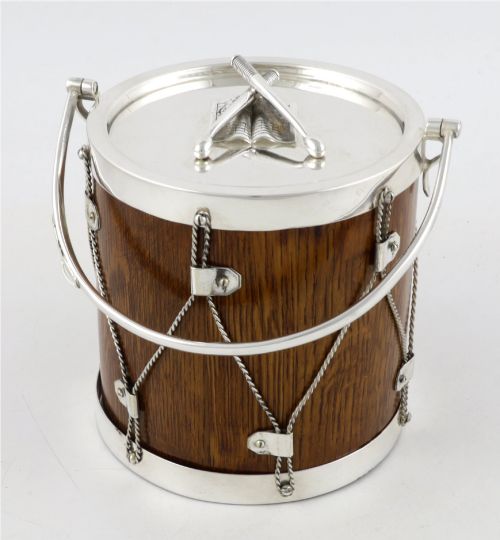
A plated ice bucket shaped like a wooden military drum brings a touch of marching band rhythm straight to the cocktail hour.
Distinctions in craftsmanship and design
The weight of the metal and the thickness of the glass liner distinguish robust hotel-grade and maker-marked vessels from standard domestic pieces. Superior items display crisp casting on handles and applied crests rather than soft, worn detailing.
The method of plating also marks the division in quality, with early Old Sheffield plate showing distinct copper edges where the fused sheet met its base. The presence of original fitted tongs and undamaged glass inserts completes the higher tier of production.
Christofle·Hutton Sheffield·PH Vogel·Elkington Mason And Co·Barker Ellis·Mappin And Webb·WMF·Ercuis
The Plated Ice Bucket Glossary
- Old Sheffield plate
- A fused metal technique where a thin sheet of silver is bonded to a copper core before forming. This early method creates a warm tone and reveals the copper base along cut edges.
- Silver plate
- An electrolytic or mechanical coating of silver applied over a base metal such as nickel brass or copper. It provides the bright finish seen on many nineteenth and twentieth century pieces.
- Lead crystal
- A heavy glass material containing metallic oxide for increased brilliance and clarity. It is frequently cut into geometric patterns to form the internal liners of coolers and buckets.
- Art Deco
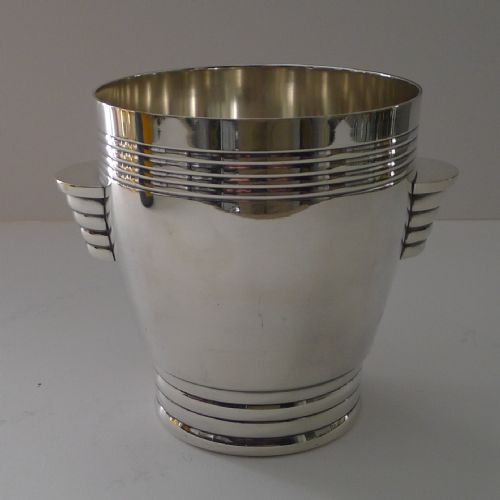
- A design style dominant in the nineteen-twenties and thirties characterised by stylised motifs and clean geometric lines. It influenced the sleek, stepped profiles of many metal vessels.
- Baton tongs
- Small gripping utensils often supplied with ice pails to handle cubes cleanly. They match the metal finish of the main bucket.
Plated Ice Bucket: Frequently Asked Questions
What is a plated ice bucket used for?
These vessels hold ice cubes for drinks or chill wine and champagne bottles during meals. They sit on dining tables, sideboards, or floor stands.
Historically, they served both private households and grand hospitality settings like ocean liners and hotels.
How do I clean my silver plated bucket?
Wash the piece gently in warm soapy water using a soft cloth and dry it immediately to prevent water spots. Avoid abrasive scourers that can wear away the thin silver layer.
Use a dedicated silver polish sparingly only when necessary to restore the shine.
How do I tell Old Sheffield plate from later silver plate?
Old Sheffield plate was made by fusing silver and copper together before shaping the object. Close inspection often reveals tiny lines of reddish copper peeking through where the silver wore thin at high points.
Later nineteenth-century electroplate displays a more uniform surface coating.
Can I use an antique ice bucket today?
These items remain fully functional for modern entertaining and bar use. Their sturdy metal construction and insulating glass liners perform the same cooling tasks they did a century ago.
Careful handling ensures the piece survives for everyday display.